Best Toys for 2 Year Olds: Fun, Safe, and Educational Picks
Finding the right toys for active toddlers is about a balance of safety, creativity, and skill-building. The following selections focus on hands-on play that supports fine motor development, language growth, problem-solving, and imaginative pretend play. Each product below is suitable for many 2-year-olds and offers engaging, age-appropriate features that parents and caregivers can trust.
Summary of Selected Products
| Product | Brand | Age Range | Type |
|---|---|---|---|
| Montessori Kids Tool Set | Lehoo Castle | 2-4 years | Wooden tool bench, STEM pretend play |
| Around the Farm 30-Button Animal Sound Book | PI Kids | 3+ years | Interactive sound book |
| Airbition Talking Flash Cards | Airbition | 1-4 years | Montessori language learning device |
| KidiBeats Drum Set | VTech | 3+ years | Electronic drum set with melodies |
| Learning Friends 100 Words Book | LeapFrog | Any early reader | Interactive word book |
Montessori Kids Tool Set With Wooden Toolbox

The Lehoo Castle Montessori tool set offers a complete pretend-workbench experience in a portable box. Featuring 29 pieces, including a hammer, wrench, screwdriver, gears, nails, wheels, and boards, the set emphasizes real-world tool use in a kid-sized format. The dual-purpose tool box can be used as a bench when opened, increasing storage and encouraging organized play. This set supports fine motor skills, hand-eye coordination, and problem-solving as children practice screwing, hammering, and rotating gears. The wooden construction provides a sturdy, tactile toy that’s durable for toddler use.
Key benefits include: real-looking tools for immersive pretend play, deeper storage space than many similar models, and multiple activities that promote early STEM concepts. The design helps toddlers learn through exploration, while caregivers can guide safe tool use and sequencing tasks. Parents often look for developmentally appropriate challenges; this kit provides a gentle, hands-on approach without overpowering complexity.
Around the Farm 30-Button Animal Sound Book
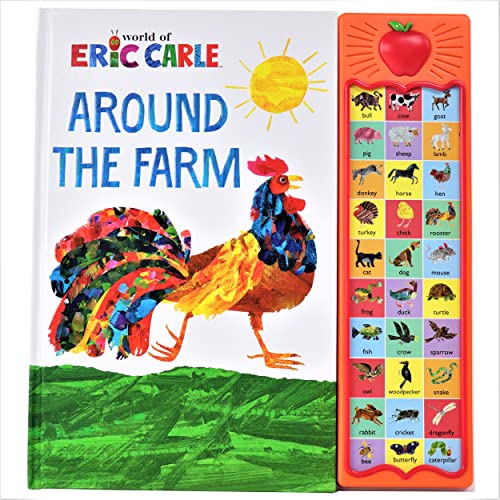
This interactive book from PI Kids invites toddlers to press animal-sound buttons to hear corresponding noises. With 30 sounds, it supports vocabulary development, animal recognition, and cause-and-effect understanding. While advertised for ages 3 and older, many 2-year-olds enjoy turning pages and pressing buttons under supervision, making it a gentle introduction to early literacy and listening skills. The engaging sounds and bright illustrations help sustain attention during quiet, shared reading moments.
Benefits include: multisensory engagement through sound and touch, simple text and repetition to reinforce words, and portability for travel or calm-down corners. Consider supervising for small parts and ensuring the book’s activities align with your child’s language development stage. For caregivers seeking a bridge between picture books and interactive learning, this option can be a strong pick.
Airbition Talking Flash Cards For Toddlers

This 224-word flash-card system uses a reader to deliver spoken content in a standard American accent, featuring animals, vehicles, foods, colors, and other everyday categories. The device supports vocabulary expansion and cognitive skill development through sound-image pairing and interactive play. It is marketed as a resource for speech therapy and autism-friendly learning, offering a repeat function and adjustable volume for comfortable practice. The device is designed for easy use: turn on, insert a card, and listen.
Considerations include: the necessity of adult setup for initial card insertion, potential over-reliance on audio prompts, and the importance of balancing screen-free play with other activities. For families focusing on language-rich environments and early auditory learning, this tool can complement daily storytelling and word games.
KidiBeats Drum Set
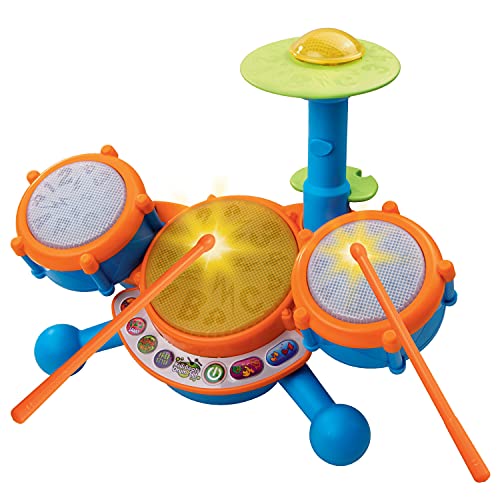
The KidiBeats Drum Set by VTech is a toddler-friendly electronic drum kit featuring three pads and a cymbal. It includes melodies across rock, dance, and pop styles, with educational songs that introduce letters and numbers. Four modes—free play, letters, numbers, and follow-along—offer varied activities to maintain engagement. Each drum has a distinct LED light, adding a visual cue to musical play. This toy supports rhythm awareness, auditory discrimination, and gross-motor movement as kids clap, tap, and drum along.
Pros include: engaging music-based learning, safe bass-driven sounds appropriate for small ears, and interactive feedback that can help with timing and coordination. A potential drawback is the reliance on electronic sounds rather than purely physical play, so mixing with non-electronic instruments can offer a balanced experience.
LeapFrog Learning Friends 100 Words Book
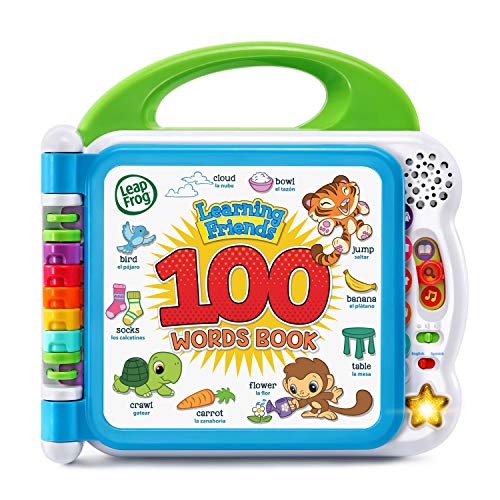
This interactive book from LeapFrog introduces more than 100 words through engaging characters—Turtle, Tiger, and Monkey. The book uses touch-activated pages to trigger word pronunciations, sound effects, and short facts. It also features a light-up star button to play the Learning Friends theme song and a favorite word, supporting early vocabulary building and phonemic awareness. The format is designed for shared reading experiences and independent exploration alike.
Strengths include: broad word coverage across categories like pets, colors, foods, and activities, and the combination of tactile pages with audio feedback. For parents seeking a durable, reusable print-rich learning tool, this book can be a core addition to a toddler’s language activities.
Buying Guide: Key Purchase Considerations For 2-Year-Old Toys
- Safety and durability: Look for smooth finishes, non-toxic materials, rounded edges, and age-appropriate pieces to minimize choking hazards. Wooden toys generally offer sturdiness, while electronics should have volume controls and sturdy casing.
- Developmental fit: Choose toys that target fine motor skills, language development, and basic problem-solving. Activities like fastening, stacking, matching, and pretend play support cognitive and social growth at this stage.
- Engagement and versatility: Toys that offer multiple modes or roles (creative play, pretend work, music, and reading) sustain interest over time and reduce the need for frequent replacements.
- Parent-child interaction: Prefer options that invite caregiver involvement, such as read-aloud books or shared play scenarios that reinforce language and turn-taking.
- Maintenance and storage: Favor items with simple assembly and easy cleanup. Dual-purpose designs (like a tool box that also serves as a bench) help keep play areas organized.
- Noise and sensory considerations: For younger toddlers, moderate sound levels and calm visual stimuli can prevent overstimulation. Some kids benefit from varied textures and hands-on manipulation.
- Long-term value: Choose items that grow with the child, offering more complex tasks or more sophisticated language content as they develop.
- Allergen and sustainability considerations: Where possible, select toys made from sustainable materials and low-VOC finishes to support safer play environments.
These factors help compare similar toys and understand what to prioritize for a 2-year-old’s learning path. When selecting from the list, consider your child’s interests (music, animals, building, or books) and how each toy fits into daily routine play, quiet time, and travel activities. Balancing sensory exploration with structured learning can create well-rounded development opportunities.