Best Saxophone for Beginners Book: Top Picks and Essential Guide
Finding the right beginner saxophone book can accelerate learning by providing structured lessons, approachable excerpts, and practice pieces that build confidence. Below are five well-regarded beginner-friendly books that cover essential technique, familiar tunes, and step-by-step guidance. Each option supports new players with clear exercises, scalable challenges, and added online resources when available. Use this guide to compare content, format, and what each book emphasizes to choose the best fit for your practice routine.
| Product | Focus | Format | Ideal For |
|---|---|---|---|
| Rubank Elementary Method: Saxophone | Foundations, Solos, Duets | Softcover, 48 pages | Total beginners |
| First 50 Songs You Should Play on the Sax | Popular repertoire | Paperback, 64 pages | Beginning players seeking familiar tunes |
| Standard of Excellence Book 1 – Alto Saxophone | Etiquette, technique, progressions | Book | Early intermediate learners |
| Absolute Beginners – Alto Saxophone Instruction Book | Step-by-step with visuals | Paperback, 48 pages | Complete newcomers |
Rubank Elementary Method: Saxophone
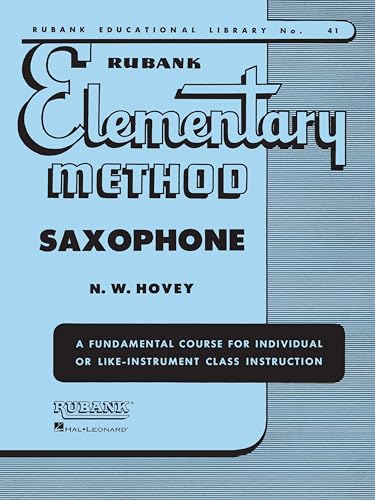
The Rubank Elementary Method for Saxophone provides a concise, progressive approach ideal for beginners who want a clear path into tone development, note-reading, and basic technique. This softcover volume contains 48 pages and features a selection of lessons arranged to build skills steadily. Edited by N. W. Hovey, the book emphasizes fundamentals through accessible melodic lines and practical exercises, making it suitable for first-year students or self-guided practice. The physical format is convenient for classroom use or home practice with a 12″ x 9″ page size that accommodates easy page turning.
First 50 Songs You Should Play on the Sax

This beginner-friendly songbook assembles popular melodies across pop, jazz, and movie themes to motivate daily practice. With 50 carefully chosen tunes, learners can experience recognizable melodies that reinforce breath control, phrasing, and dynamic shaping. The book’s simple layout and saxophone-specific notation help beginners identify rhythms and interpret musical phrases without being overwhelmed by complex arrangements. It’s especially appealing to players who want quick wins and immediate performance satisfaction while building a broader tonal palette.
W21XE – Standard of Excellence Book 1 – Alto Saxophone

Standard of Excellence Book 1 offers a holistic early-start curriculum designed for band and private study. The Alto Saxophone edition (W21XE) emphasizes proper embouchure, breath support, articulation, and posture alongside technical studies and musical selections. This edition is built for structured progression, including study materials that guide beginners toward achievable performance goals. It’s a solid choice for students who will participate in school ensembles or private lessons, as it aligns with common pedagogy standards and ensemble expectations.
Absolute Beginners – Alto Saxophone Instruction Book
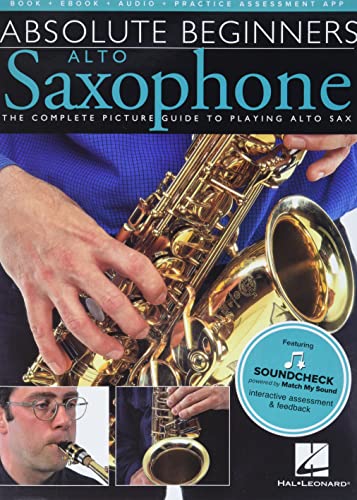
Absolute Beginners provides a step-by-step introductory course tailored for new players, including visual aids and online audio to complement the printed pages. The 48-page format covers essential topics such as posture, tone production, and note-reading in a beginner-friendly sequence. The integration of interactive audio resources supports a multi-sensory learning experience, helping students lock in basics before tackling more advanced material. This book is especially helpful for self-guided learners who benefit from consistent, structured progression with audio reinforcement.
Buying Guide
Key purchase considerations help you match a saxophone book to a student’s goals and learning style:
- Learning style: Visual learners may prefer books with diagrams and clear illustrations, while auditory learners benefit from resources that include audio tracks or accompanying online content.
- Content scope: Decide whether you want a fundamental technique focus (tone, embouchure, breath control) or a broader repertoire that keeps practice engaging with recognizable tunes.
- Progression pace: Some books are designed for quick wins with simple pieces, while others provide a structured, classroom-aligned progression that extends across several levels.
- Format and accessibility: Consider page size, layout, and whether a book offers digital audio or online assets to complement practice sessions.
- Ensemble compatibility: If the student will join a band or ensemble, a method aligned with standard pedagogy can ease transition into group playing.
- Instrument alignment: Ensure the book targets the correct saxophone type (alto, tenor) and skill level to prevent mismatched expectations.
Compared perspectives:
- Structured method readers benefit from a clear path with exercises and gradually increasing difficulty, often found in Standard of Excellence and Rubank approaches.
- repertoire-driven books like First 50 Songs You Should Play on the Sax emphasize motivation through familiar tunes, potentially increasing consistency in practice for beginners who crave recognizable material.
- Multimedia-backed options, including books with online audio, support consistent tone development and immediate feedback even outside lessons.
Each option has strengths depending on the learner’s priorities—tone development focus, repertoire variety, or classroom-friendly progression. When selecting, consider the student’s goals, available practice time, and whether additional lessons or ensemble participation will accompany the book’s use.