Best Mechanical Toys for Boys: Top STEM Kits and Pocket-Sized Engineers
Mechanical toys spark curiosity in young builders, helping kids develop problem-solving, fine motor skills, and early engineering thinking. This guide highlights five hands-on options that blend fun with learning, covering robotic kits, solar-powered bots, take-apart vehicles, and interactive engine toys. Each pick emphasizes durability, safe materials, and engaging design to keep boys ages 3 and up exploring, tinkering, and imagining new creations.
Summary of chosen products:
| Product | Brand | Key Focus | Typical Audience |
|---|---|---|---|
| Teach Tech Mech 5, Mechanical Coding Robot | Snap Circuits | Coding with mechanical actions | 8+ years |
| ELEGOO UNO R3 Smart Robot Car Kit V4 | ELEGOO | Arduino robotics and electronics | 8-12+ years |
| Sillbird 12-in-1 Solar Robot Building Kit | Sillbird | Solar-powered robotics, STEM learning | 8-13+ years |
| iPlay, iLearn Large Truck Engine Toy | iPlay, iLearn | Take-apart engine play | 3-8 years |
| Smartivity Pinball Machine | Smartivity | Mechanical arcade-style play | 8-14 years |
Teach Tech Mech 5: Mechanical Coding Robot
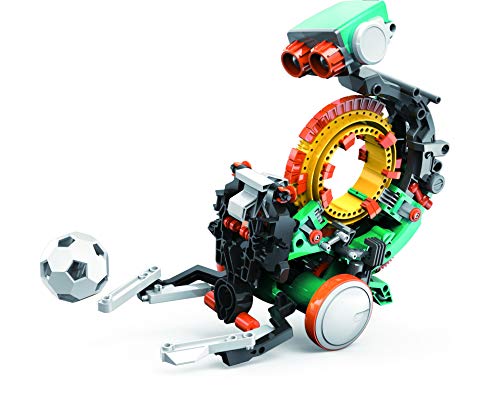
The Mech-5 from Snap Circuits is a unique mechanical coding robot built for entry-level engineers. Its mission-based design invites kids to explore fundamental mechanical engineering concepts while introducing basic coding ideas. The robot can perform actions such as throwing, lifting, kicking, and drawing—all achieved by snapping coding buttons onto a coding wheel. This hands-on approach encourages experimentation and iterative problem solving, helping young learners connect cause-and-effect with tangible outcomes. The kit emphasizes safe, modular assembly and clear, approachable mechanics that are perfect for curious minds just gaining confidence in STEM.
Key features include modular coding wheels, a straightforward mission framework, and a focus on practical, real-world applications of mechanical principles. By combining physical assembly with simple programming concepts, Mech 5 supports a holistic introduction to robotics—without overwhelming early learners. It’s suited for classroom use or family play, offering an accessible pathway into robotics and engineering for children who enjoy hands-on discovery.
In practice, parents and educators can structure activities around building specific functions and then testing variations to see how design changes affect motion. The result is a durable, interactive starter robot that lays groundwork for more advanced projects later on. This option is especially appealing for kids who respond well to tactile learning and immediate feedback from mechanical systems.
ELEGOO UNO R3 Smart Robot Car Kit V4

The ELEGOO UNO R3 Smart Robot Car Kit V4 targets budding programmers who want a solid hands-on robotics experience. This comprehensive STEM kit introduces programming, electronics assembly, and robotics concepts in a single package. It includes 24 kinds of module parts, such as obstacle avoidance and line tracing modules, with control options via Android and iOS devices. The kit is designed for education, making it suitable for classrooms and independent learning alike. It emphasizes modularity, ease of assembly, and expandability, so learners can grow from simple tasks to more complex robotic systems over time.
As a classroom- or home-based kit, it supports progressive learning: beginners start with basic wiring and motor control, then graduate to sensor-driven behavior and remote control. The inclusion of ports and standardized interfaces helps minimize setup errors, enabling quicker experimentation and more time for experimentation and refinement. This kit also facilitates collaborative projects, where students can design, implement, and optimize autonomous behaviors in a tangible, engaging way.
Beyond the initial build, the UNO R3 foundation allows learners to explore more advanced microcontroller projects, making it a long-lasting addition to any STEM-focused learning environment. The combination of practical electronics, programmatic control, and real-world applications makes this kit a versatile choice for young builders who crave both challenge and clarity in their projects.
Sillbird 12-in-1 Solar Robot Building Kit
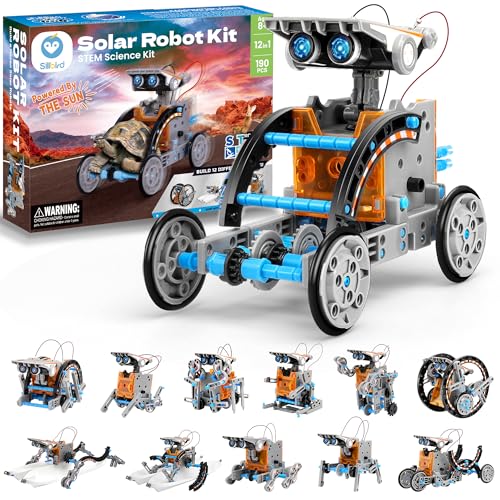
The Sillbird solar robot kit offers a screen-free STEM experience powered by the sun or indoor artificial light. With 190 pieces and 12 different build options, it encourages kids to experiment with renewable energy concepts while constructing functional robots. The solar-powered design fosters outdoor play and environmental awareness, while indoor builds help maintain activity when sunlight is scarce. The kit is well-suited for curious learners who enjoy building, testing, and observing how energy sources drive motion and behavior in machines.
Educational value centers on engineering thinking, planning, and iterative testing. Children can compare how different configurations affect speed, stability, and performance, while considering practical constraints like angle, leverage, and wind resistance. The solar twist adds a valuable real-world dimension, showing how energy conversion powers mechanical systems in a tangible way. The kit also supports collaborative play, where peers share ideas and contribute to different build strategies during group sessions.
Durability and safety are appropriate for the age range, with components designed for repeated assembly and disassembly. As a long-term STEM investment, Sillbird’s kit remains relevant as kids’ skills advance, inviting more ambitious solar-robot projects in subsequent years.
iPlay, iLearn Large Truck Engine Toy

The iPlay, iLearn engine toy is a jumbo, take-apart experience designed for early builders aged 3-8. The large truck engine features 58 parts, tools, and a realistic assembly process, with a working LED headlights, engine sound effects, and an oil dipstick for pretend maintenance. The set emphasizes hands-on exploration of mechanical systems, encouraging kids to assemble, disassemble, and reassemble parts while learning basic engineering concepts. The included tools and the emphasis on pretend play help children practice fine motor skills and sequential thinking in a fun, age-appropriate context.
Notable aspects include the realistic engine components, an interactive “repair” experience, and the ability to simulate driving features like start-up sounds and hazards. The kit’s workspace organization and storage support help kids develop planning skills as they manage parts and tools during play. This option serves as a bridge between simple construction toys and more sophisticated robotics, making it a solid choice for younger children beginning their STEM journey.
Smartivity Pinball Machine

Smartivity’s Pinball Machine is a compact, award-winning arcade-style project that blends mechanical engineering with creative play. This build-it-yourself pinball machine reduces screen time while boosting confidence, creativity, and fine motor skills. The kit is designed for ages 8 to 14, with clear, step-by-step instructions and a lifetime parts promise, ensuring ongoing engagement as kids expand or repair their setup. Building the pinball machine introduces concepts such as levers, springs, gears, and track design, encouraging kids to think through how each component affects ball trajectory and game duration.
From a learning perspective, the pinball project demonstrates practical mechanical design, problem-solving, and iterative testing. Children can customize the play experience by adjusting ramps and obstacles, which supports experimentation with physics concepts in a tangible way. The kit’s emphasis on independent yet guided assembly makes it suitable for solo exploration or collaborative classroom activities, where learners compare different layouts and strategies for achieving higher scores.
Buying Guide: Key Purchase Considerations
- Age and safety: Check recommended ages and ensure parts are sized for small hands to prevent choking hazards for younger children.
- Learning goals: Decide whether you want raw building (fine motor skills), coding basics, robotics, or energy concepts (solar/engine power) as the core focus.
- Complexity and future growth: Prefer modular kits that scale with a child’s growing skills, with options to upgrade or expand the set.
- Durability and materials: Look for sturdy plastics or wood, clear components, and reliable hardware to withstand repeated assembly and play.
- Enrichment and reviews: Consider kits with educational support, teacher guides, or online tutorials to maximize learning outcomes.
- Power and environment: Factor in power sources (solar, batteries, USB) and whether the toy is suitable for indoor or outdoor use.
- Storage and organization: Kits with labeled compartments or tool storage help maintain project cleanliness and ongoing engagement.
When evaluating mechanical toys, balance immediate enjoyment with long-term educational value. A kit that combines hands-on assembly with opportunities to investigate concepts—like energy, motion, and control—provides a richer learning experience. Consider the child’s interests, whether they lean toward vehicles, robotics, or arcade-style engineering, and pick a set that supports safe exploration while presenting progressively challenging tasks.