Best Scooter Options for Autistic Children: Safe, Stable and Fun Choices
Choosing a scooter for a child on the autism spectrum can emphasize balance, stability, and sensory-friendly features. The following five models prioritize three-wheel designs, adjustable heights, and engaging visibility features to support coordination, confidence, and independent riding. Each option includes practical details to help caregivers compare safety, usability, and growth potential.
| Product | Brand | Key Benefit | Adjustability |
|---|---|---|---|
| Allek Kick Scooter B02 | Allek | Wide, durable deck with luminous wheels for easy visibility | 4 height levels |
| Gotrax KS1 Kids Kick Scooter | Gotrax | Lean-to-Steer design for balance development | 3 heights |
| TONBUX | 3-wheel stability with light-up wheels | 4 heights | |
| Dribbl 3-Wheel Kids Scooter | Dribbl | Lean-to-Steer and sturdy build with lightweight frame | 4 heights |
| Gotrax KS3 Pro Kick Scooter | Gotrax | Removable seat option and wide light-up wheels | 4 heights |
Allek Kick Scooter B02 — Lean, Wide, Light-Up Wheels
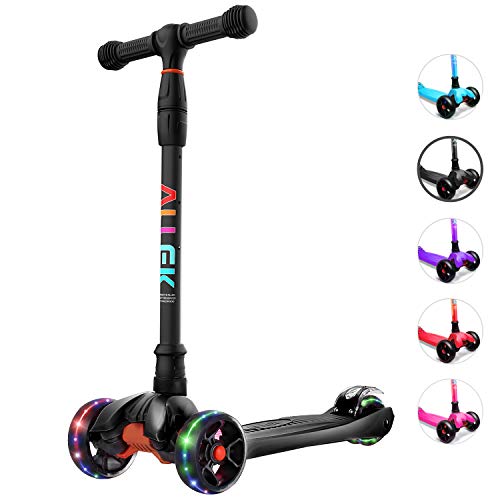
The Allek B02 combines a fiberglass reinforced deck with wear-resistant PU wheels to help absorb shocks on imperfect surfaces. Its four adjustable heights—from about 25.5″ to 33″—support growing children and offer a stable riding posture. The PU wheels include embedded LEDs that light up as the scooter spins, aiding visibility during outdoor activity without requiring batteries. This model emphasizes a smooth ride and durability, which can be important for children who benefit from consistent sensory feedback and a reliable platform for balance practice.
Key features include a rustproof aluminum alloy T-bar with a secure locking mechanism and a new stem lock design that improves safety during height changes. The lack of battery requirement for the lights reduces maintenance and eliminates extra cords or charging concerns. For caregivers seeking a single, long-lasting option for kids aged roughly 3 to 12, the B02’s combination of stability, lighted wheels, and adjustable height can support progressive balance development and confidence on varied terrains.
Gotrax KS1 Kids Kick Scooter

The KS1 is designed as an approachable first scooter with Lean-to-Steer technology, helping children learn balance by turning with a lean rather than turning the handlebars. The three available handlebar heights (33.7″, 31.9″, and 29.9″) let caregivers adapt the scooter as kids grow, supporting a longer period of use. The three-wheel configuration adds stability, and the bright LED wheels create an engaging, easy-to-see ride that can improve safety in dim lighting or busy outdoor settings. Weighing about 5.1 pounds, it’s light enough for easy transport and storage.
Practical considerations include quick disassembly for travel and simple reassembly—an advantage for families who want to bring a scooter to parks or friends’ houses. For children who benefit from predictable steering feedback and visible wheels, the KS1 offers a straightforward, confidence-building platform that aligns with progressive motor skills development and sensory-friendly play.
TONBUX Kids Scooter — Three-Wheeled Stability

TONBUX offers four height settings within a 25″ to 32″ range, ensuring that the scooter can accommodate a growing child up to roughly age 12. The three-wheel Lean-To-Steer design helps young riders develop balance and coordination by encouraging controlled leaning rather than rigid steering. A standout feature is the light-up wheels that flash automatically when rolling, creating an engaging sensory cue without requiring batteries. A 50mm widened front wheel enhances stability on uneven surfaces, contributing to a smoother ride for children who prefer steady, predictable movement.
Caregivers may appreciate the product’s emphasis on safe progression—more height options over time, a durable build, and a design that allows kids to experience outdoor movement with less reliance on fine motor control. The combination of stability, sensory feedback, and straightforward assembly can be suitable for children who need consistent practice in balance and confidence while riding.
Dribbl 3-Wheel Kids Scooter — Lean-To-Steer

Dribbl’s three-wheel setup emphasizes lean-to-steer control, helping children who benefit from intuitive steering and reduced reliance on hand strength. The T-bar handlebar is adjustable across four heights—from about 26.77″ to 33.86″—to accommodate growing riders. A wide, non-slip deck provides a secure standing area, supporting balance training and confidence during practice. The lightweight construction—approximately 7.32 pounds—makes it easier for kids to maneuver or for caregivers to transport between activities.
The model includes ABEC-7 bearings and PU wheels for smooth gliding and includes multi-flashing lights that add an element of excitement while promoting visibility. This combination of stability, ease of use, and sensory-oriented features makes it a practical option for children who require consistent feedback and controlled motion during learning and play.
Gotrax KS3 Pro Kick Scooter — Seat Option

The KS3 Pro adds a versatile seat option, enabling a transition between seated and standing modes. This feature can be particularly helpful for children who fatigue easily or prefer brief seated periods during outdoor activity. With three wide LED wheels and a four-height adjustable handlebar (25.5″, 27.5″, 29.5″, 31.5″), this model supports growth and changes in riding style. The Lean-to-Steer design encourages balance development, while the 6-inch wide deck and non-slip surface enhance stability during turns and stops. The combination of light-up wheels, ergonomic design, and a foldable form supports both safety and portability for families on the go.
Overall, these five models offer a spectrum of stability-focused, sensory-friendly options with adjustable heights and light-enhanced features. When selecting a scooter for autistic children, caregivers may prioritize predictable handling, three-wheel stability, gentle acceleration and braking feedback, and visibility cues that encourage confident, independent play across various environments.
Buying Guide: Key Purchase Considerations For Autistic Children
- Stability and Balance: Three-wheel designs provide added stability, which can reduce wobbles and boost confidence for beginners or children who benefit from steady gait control.
- Adjustable Height: Growth is a major factor; choose scooters with at least 3–4 height settings to ensure a comfortable riding position over several years.
- Sensory Features: Light-up wheels or bright colors can improve visibility and provide engaging sensory feedback. Batteries or charging requirements should be considered for ease of use.
- Ease Of Use: Lean-to-Steer systems can help children learn steering with less reliance on upper body strength and fine motor coordination.
- Weight And Portability: Lighter models are easier for caregivers to transport and for kids to maneuver, especially when transitioning between activities.
- Safety Accessories: Look for non-slip decks, stable brakes, and durable construction that can withstand daily use and rough surfaces.
- Seat Option And Versatility: Some models offer removable seats, which can support children who prefer to ride seated for longer periods or who use the scooter as a transitional mobility aid.
- Maintenance: Choose models with simple assembly and low-maintenance parts, such as battery-free lights and easy-release height adjustments.
- Age And Weight Range: Confirm the recommended rider weight and age range to ensure compatibility with the child’s size and activity level.
- Warranty And Support: Consider brands offering reasonable warranties and responsive customer service for parts or replacements as a child grows.