Best Toys for Fine Motor Skill Development to Support Learning at Home
Fine motor skills are essential for writing, self-care, and everyday tasks. This guide highlights five top toys that promote hand strength, coordination, and hand-eye accuracy in children aged 18 months and up. Each pick centers on engaging, screen-free play that builds confidence and cognitive skills through hands-on activities.
Overview of Selected Products
| Product | Brand | Key Benefit |
|---|---|---|
| Spike The Fine Motor Hedgehog | Learning Resources | Sorting, counting, and pattern play |
| Primary Lacing Beads | Melissa & Doug | Fine motor precision with lacing and threading |
| 3-in-1 Wooden Montessori Toys | EARLY EXPLORER TOYS | Color sorting, grip strength, multi-sensory |
| Color Sorting Sensory Toys | GYsomer | Color recognition and dexterity |
| TODDLER Fine Motor Toy Set | TOP BRIGHT | Magnetic play and practical manipulation |
Spike The Fine Motor Hedgehog — Montessori Style Stack & Sort
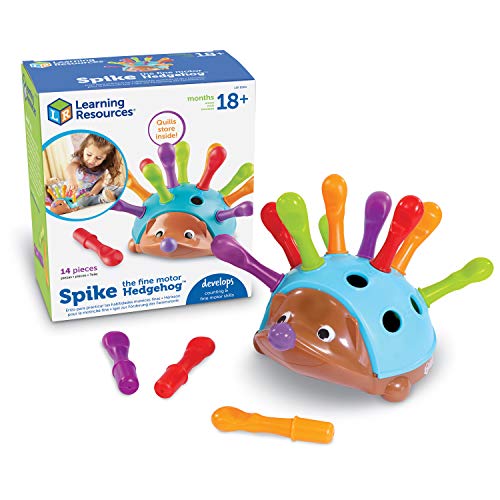
The Spike The Fine Motor Hedgehog offers a playful way to develop essential hand muscles and hand-eye coordination. Toddlers remove and place quills into the hedgehog’s back, which strengthens grip and dexterity. The quills also provide tactile stimulation and sensory feedback, keeping children focused during activity bursts. The toy grows with your child, transitioning from basic coloring and sorting for toddlers to color recognition, counting, and pattern tasks for preschoolers. As a long-term learning tool, it encourages repeated, goal-oriented play without screens.
Primary Lacing Beads — Wooden Bead Set

This set includes 30 brightly colored wooden beads, two laces, and a sturdy wooden storage box. The beads come in shapes easy for little hands to grasp and thread, promoting precise finger movements and bilateral hand coordination. Children practice grip, pincer grasp, and coordination as they string beads, which supports handwriting readiness and manipulative skills. Beyond motor dexterity, the kit fosters early sequence understanding and color recognition through hands-on experimentation with patterns and colors.
Three-in-One Wooden Montessori Toys — Multi-Sensory Fine Motor Practice

This 3-in-1 Montessori-inspired toy introduces color sorting, grip development, and open-ended problem solving. It features three lids that encourage different fine motor challenges, with wooden sticks and discs that children insert and manipulate. The design emphasizes real-life manipulation—like rotating, aligning, and placing items into slots—helping kids build directional awareness, grip strength, and pincer control. The natural beech wood and safety coating provide a durable, kid-friendly experience suitable for daily play.
3-in-1 Wooden Sorting Toy — Color, Shape, and Direction Play

This compact, multi-lid toy challenges toddlers to insert sticks and discs through various slots, strengthening grip and hand-eye coordination. It emphasizes color cognition, spatial concepts, and imaginative play while introducing the permanence of objects through container handling. The design prioritizes safety with beech wood, smooth edges, and food-grade coatings. It is well-suited for independent exploration or guided sessions, helping children master precise movements before transitioning to more complex tasks like drawing and cutting.
Noodle Knockout Fine Motor Game — 67 Pieces

Learning Resources Noodle Knockout focuses on 67 pieces to build fine motor skills through a playful ramen-themed challenge. It supports 3-in-1 learning: fine motor practice, counting, and color recognition. The game can be played solo or with up to three peers, making it a versatile option for family time or classroom settings. The component variety fosters precise pinching, releasing, and targeting skills, while also reinforcing turn-taking and cooperative play in group scenarios.
GYsomer Color Sorting Sensory Toys — Colorful Fine Motor Practice
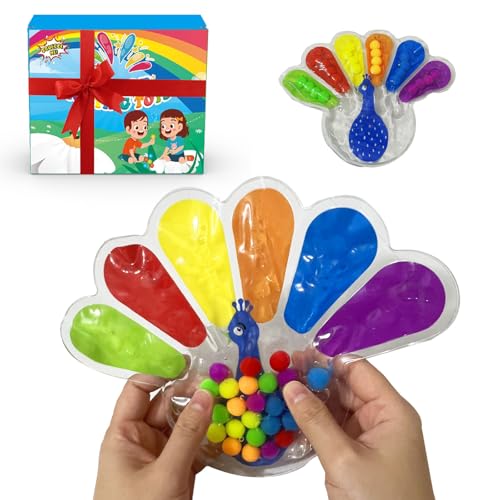
GYsomer offers color sorting as a core activity that sharpens cognitive and motor skills. Toddlers sort, squeeze, and place beads, which enhances grip strength, hand-eye coordination, and sequencing abilities. The tactile, soft-material design also aids emotional regulation, providing a soothing outlet during high-energy moments. This toy supports early math readiness through color-based sorting and pattern repetition, while encouraging independent exploration as well as guided play.
TOP BRIGHT Montessori-Style Fine Motor Toy for Two-Year-Olds

Designed for toddlers around age two, this Montessori-inspired toy emphasizes foundational fine motor control through a nature-themed game. Children engage with the worm-catching action, using the mother bird to retrieve worms and feed the baby bird, which reinforces hand-eye coordination and sequential thinking. The toy emphasizes simple, repeatable actions that build confidence, grip strength, and dexterity while offering multiple play modes to sustain interest.
Skrtuan Counting Dinosaur — Sorting, Sorting Bowls, and Fine Motor Play

This dinosaur-themed set combines counting, sorting, and fine motor actions. With 48 dinosaurs, color sorting bowls, tweezers, and a portable storage bucket, children practice grasping, pinching, and placing while learning basic math concepts like counting and grouping. The materials are designed for smooth handling and safety, supporting early STEM literacy through tactile exploration and organizational play.
Buying Guide: Key Purchase Considerations
- Age appropriateness: Choose toys labeled for your child’s age to ensure appropriate motor challenges without frustration.
- Motor skill focus: Look for toys that promote grip strength, pincer grasp, hand-eye coordination, and finger isolation.
- Material and safety: Prefer natural woods or non-toxic coatings; avoid sharp edges and small parts for younger children.
- Open-ended play value: Toys that support multiple activities or levels of difficulty provide longer-term value as children grow.
- Assessment of cognitive benefits: Select items that pair motor tasks with color, shape, or counting concepts to maximize learning outcomes.
- Durability and cleanup: Consider sturdy construction and easy-to-clean surfaces for ongoing use in busy households or classrooms.
- Family and classroom use: Some sets support solo play, while others encourage cooperative play, which helps social development along with motor skills.
- Storage and organization: Look for sets with integrated storage or containers to build executive function through organizing tasks.
Overall, the highlighted toys provide varied approaches to developing fine motor skills, from threading and stacking to color sorting and directional play. They balance tactile engagement with cognitive challenges, offering practical pathways for children to grow confident, capable movers in a playful, educational context.