Best Bike Buggy for Baby: Top Picks for Safe, Fun Rides
Choosing a bike buggy or toddler transport solution involves balancing safety, age eligibility, ease of use, and long-term value. Below are five top options that align with different parenting needs—from lightweight balance bikes to all-in-one stroller bikes—so families can find a dependable ride for early mobility while supporting development.
style=”display:none;”>Summary of Selected Products: SEREED Baby Balance Bike; QPLAY Toddler Bike Stroller; Baby Uma LED Stroller Lights Pack; newyoo Toddler Bike 5-in-1; Gotrax Baby Balance Bike
SEREED Baby Balance Bike for Toddlers
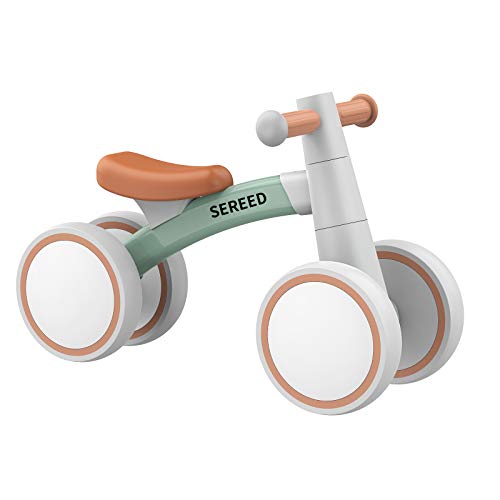
The SEREED balance bike targets ages 12-24 months, providing a gentle introduction to balance, steering, and coordination without pedals. Its fully widened closed wheel design helps prevent feet from getting caught, with a 135° turning limit and gravity steering to keep little riders close to the ground. Built on a sturdy aluminum frame, it offers a comfortable, non-slip seat and handles, making it suitable for both indoor and outdoor sessions as a first ride experience.
QPLAY 8-in-1 Toddler Bike Stroller

QPLAY’s 8-in-1 stroller bike grows with a child from infancy to early childhood (10 months to 6 years), offering infant stroller, sunshade tricycle, parent steering push, independent riding, assisted riding, and foldable modes. It includes a one-touch brake and a height-adjustable handle for parent control, along with a 360° swivel seat, five-point harness, detachable armrest, and adjustable triple pedal design. This versatility supports safety and bonding through different riding stages as a child ages.
Baby Uma LED Stroller Lights Pack
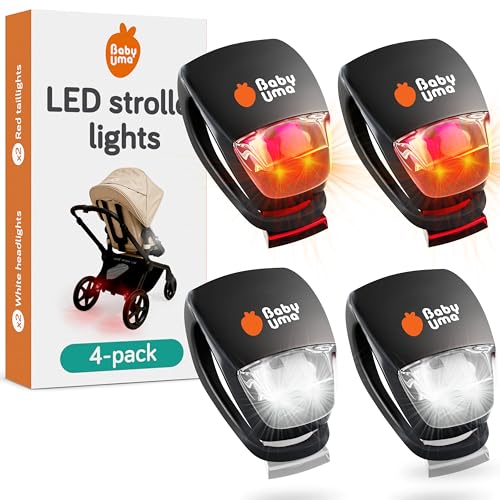
The Baby Uma LED lights provide visibility and safety for early-morning or dusk rides, with a four-pack including two white headlights and two red taillights. Three light modes—constant, pulse, and strobe—offer flexibility for various conditions, and the clip-on design attaches quickly to handlebars or frames using a silicone hook. While not a bike itself, these lights complement any baby transport setup and enhance safety during joint strolls and rides.
newyoo Toddler 5-in-1 Bike

The newyoo 5-in-1 toddler bike adapts from tricycle to balance bike to bicycle modes, supporting ages around 12-24 months for initial use and extending into early childhood. Its modular design enables quick mode changes, with a carbon steel frame, EVA wheels, and a PP seat for durability. The bike emphasizes safety with a simple assembly, sturdy construction, and EN188/ASTM certifications for lasting use as children grow and their riding needs shift.
Gotrax Baby Balance Bike

This Gotrax balance bike uses a sturdy steel frame with 7″ front and rear wheels designed to deliver stability and legroom for toddlers. Its 45° steering limit helps prevent tipping while helping new riders control speed and direction. The design prioritizes safety with a soft-edge approach, making it a reliable first ride-on option for children aged 1-2 years and capable of supporting up to 66 pounds.
QPLAY Baby Bike Stroller With Canopy

QPLAY’s 8-in-1 Convertible Design for growing stages again appears with a similar stroller-bicycle concept, supporting a detachable canopy, guardrail, adjustable reclining seat, and one-touch brake. This model emphasizes safety and parent-child interaction with a 360° swivel seat and a guardrail that detaches as the child grows. Suitable for a wide age range, it aligns with families seeking a single transport solution that adapts over time.
Buying Guide: Key Purchase Considerations
- Age and development stage: Choose products that align with your child’s current age and motor development. Balance bikes typically suit 12-24 months, while stroller-bike hybrids can accommodate broader age ranges.
- Safety features: Look for wide wheelbases, low centers of gravity, 135° or more turning limits, five-point harnesses for any seating components, and sturdy, EN/ASTM-certified frames or parts when available.
- Adjustability: Opt for adjustable handlebars, seats, and pedals to accommodate growth. A modular or adjustable system reduces the need for multiple purchases over time.
- Transition options: If you want a single device, consider 5-in-1 or 8-in-1 designs that evolve from stroller to bicycle modes as the child ages and improves balance.
- Portability and storage: Lightweight frames and foldable designs ease transport and storage, especially for families with limited space or frequent travel.
- Visibility and accessories: External safety add-ons like LED lights or reflectors improve visibility. Clip-on accessories should be removable for quick setup and storage.
- Durability and materials: Steel frames provide strength, while aluminum alloys keep weight manageable. Check wheel materials (TPU or EVA) for wear resistance and floor safety.
When selecting a bike buggy or toddler bike solution, evaluate long-term value against initial cost, ease of use for caregivers, and the child’s learning curve. The right choice supports developmental milestones, balances safety with enjoyment, and adapts as a family’s riding needs change.