Best Yoga Ball Chairs for Kids: Active Seating for Focused Learning
Finding engaging seating can help kids stay focused, reduce restlessness, and support healthy posture during study time. Yoga ball chairs designed for children offer movement, balance, and a dynamic way to sit at desks or tables. This guide highlights five top options, compares their features, and provides practical tips for choosing the right size and style for home, classroom, or learning spaces.
| Product | Brand | Size / Height | Key Benefit |
|---|---|---|---|
| Gaiam Kids Balance Ball Chair – Classic | Gaiam | Ages 5-7; 42-51 in tall | Improves concentration; active sitting |
| Gaiam Kids Balance Ball – Exercise Stability Ball | Gaiam | 45 cm ball | Healthy posture; brain circulation |
| Trideer Flexible Seating for Classroom (Blue, 55cm) | Trideer | 55 cm | Strong safety features; stable legs |
| Gaiam Kids Active Seat Peanut | Gaiam | Peanut-shaped chair ball | Wiggle-friendly; focus booster |
| Gaiam Stay-N-Play Balance Ball | Gaiam | Standard 45 cm ball with legs | Stay-put stability; focus aid |
Product selection aims to reflect a balance of size, safety, and movement benefits. Each option promotes active sitting—allowing kids to flex, bounce, and adjust their position while studying, which can support attention and core development. The list includes classic ball chairs, wobble-style seats, and stay-put designs to fit different classrooms and homes.
Gaiam Kids Balance Ball Chair – Classic

The Gaiam Classic Kids Balance Ball Chair is designed as an alternative desk seat for children. It targets improved concentration by combining a stability ball with a supportive frame. The product is intended for kids aged approximately 5-7 years and heights from 42 to 51 inches, and it supports up to 175 pounds. This option emphasizes active learning, encouraging healthy posture while keeping the mind and body engaged during desk tasks.
Gaiam Kids Balance Ball – Exercise Stability Ball
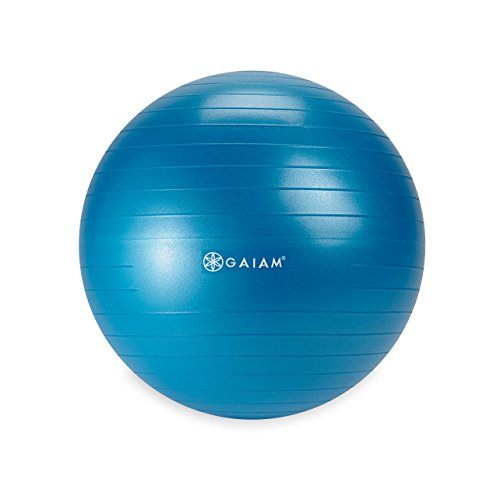
This 45 cm kid-sized balance ball functions as a flexible seating option for home or classroom use. When seated, it promotes healthy posture and improves balance, with the added benefit of enhanced blood flow to the brain that supports focus and concentration. It serves as a practical alternative for high-energy children who need a dynamic seating remedy to reduce fidgeting and restlessness.
Trideer Flexible Seating for Classroom (Blue, 55cm)

The Trideer 55 cm yoga ball chair is built for classroom use with safety and stability in mind. It emphasizes improved concentration through movement and includes a robust structure designed to bear substantial weight. The unique legs add stability, and the chair is intended to remain in place when not in use, reducing play movement in shared spaces.
Gaiam Kids Active Seat Peanut

This peanut-shaped balance chair is designed to boost energy and focus by enabling kids to straddle and bounce. It supports healthy posture and core engagement while allowing wiggle-friendly seating. The design is particularly appealing to children who benefit from active seating as part of daily classroom routines or home study sessions.
Gaiam Stay-N-Play Balance Ball
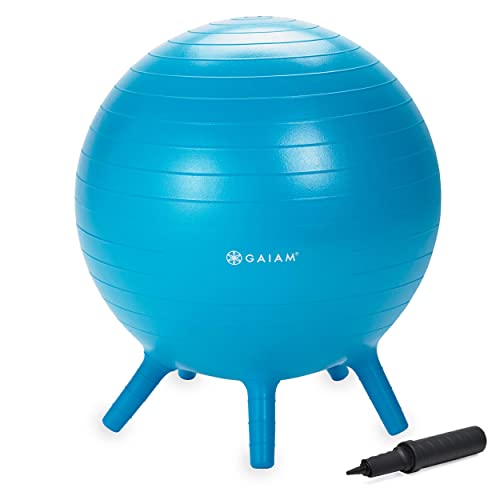
The Stay-N-Play Balance Ball combines a flexible seating ball with built-in soft stabilizing legs. This setup helps the ball stay in place during use, making it suitable for classrooms and study areas. Its design is aimed at improving posture and mind engagement through constant subtle movement, which can aid focus during reading, writing, or screen time.
Buying Guide
Key purchase considerations:
- Size and age range: Choose ball diameter or chair size that fits the child’s height and desk. Typical kids’ sizes range from 45 cm to 55 cm balls, with age ranges aligned to desk height and comfort levels.
- Stability vs. mobility: Some chairs have stable bases with legs, while others allow more movement. For beginners, a stable option can help build confidence before adding more movement.
- Safety and materials: Look for non-toxic, CPSIA-compliant materials, rounded edges, and durable foaming to prevent deflation or injury from minor impacts.
- Adjustability and longevity: Consider whether the chair grows with the child or if it’s a fixed size. A product with a higher weight rating and sturdy legs may offer longer use.
- Classroom vs. home: In shared spaces, stability features and ease of cleaning matter. In homes, color, style, and noise considerations may be more important.
- Posture and focus benefits: Ball chairs can promote active sitting, which may improve focus by increasing blood flow to the brain, though individual preferences vary.
Comparisons among models emphasize size, stability, and movement level. For younger or smaller kids, a 45 cm ball with a simple base can be ideal, while older children may benefit from larger sizes or seats with stay-put legs. Safety-focused designs emphasize durable materials and slow deflation to prevent sudden seating changes. Accessibility features, such as included air pumps, also affect setup time and ongoing maintenance.