Best Toys for a 7-Year-Old With Down Syndrome: Sensory, Learning and Active Play
Finding engaging, supportive toys for a 7-year-old with Down syndrome involves balancing sensory input, cognitive challenges, and movement. The following selections focus on visual and auditory stimulation, fine motor practice, and safe, active play. Each option is chosen for its potential to engage attention, encourage independence, and support developmental goals in a calm, structured way.
Summary of chosen products:
| Product | Brand | Key Benefit |
|---|---|---|
| Musical Light Up Wand – Sensory Lights for Autistic Children | LoveHugs | Multi-sensory light show and soothing melodies |
| Super Z Outlet Liquid Motion Bubbler | Super Z Outlet | Calming visual bubbles; helps with visual tracking |
| Kids Montessori Magnetic Wooden Toys | TMGOT | Color matching and fine motor practice |
| PlayRoute Electronic Brain & Memory Game Cube | PlayRoute | Memory and attention training through interactive games |
| Flybar Pogo Trick Ball | Flybar | Balance, coordination and core strength through active play |
Musical Light Up Wand For Sensory Calm

The LoveHugs Musical Light Up Wand provides a multi-sensory experience designed to soothe and captivate. It combines spinning colour-changing lights with a melodic loop, creating a calming, immersive environment that can help hold a child’s attention and reduce overstimulation. The wand’s visual effects engage tracking skills, while the gentle music supports auditory processing and rhythm recognition. This toy is suitable for individual use or small-group activities, making it a versatile option for home therapy routines or classroom settings.
Liquid Motion Bubbler For Sensory Play

The Super Z Outlet Liquid Motion Bubbler offers visually soothing, slow-motion droplets that descend in a gravity-driven display. Visual tracking and focus are supported as colors flow through the liquid. Its simple flip-and-repeat design makes it easy to reset, encouraging repetitive, controlled play. For children with sensory processing needs, the bubbler can serve as a calming focal point during transitions or quiet time, helping to regulate arousal levels without overstimulation.
Montessori Magnetic Wooden Puzzle for Early Learners

TMGOT’s Kids Montessori Magnetic Wooden Toys present a color-matching puzzle with 20 double-sided cards and 16 wooden pieces. A magnetic pen is used to place pieces to match patterns, promoting fine motor control, hand-eye coordination, and problem-solving. The design emphasizes repetition and pattern recognition—areas where children with Down syndrome can benefit from structured, engaging activities. The wooden construction supports durability and a tactile, classroom-friendly feel that can be used at home or in school settings.
Sensory Fidget Duo: Squishy Leap Frog

This pair of squishy leap frog toys combines tactile, visual, and auditory stimulation. The liquid inside and colorful glitter create engaging visuals, while the squeeze action produces soft sounds and a gentle tactile feedback. Designed for kids with anxiety, autism, or ADHD, these fidget toys can help with sensory processing, focus, and calming effects during travel or classroom activities. The compact size makes them portable for busy schedules and varied environments.
PlayRoute Electronic Brain Cube
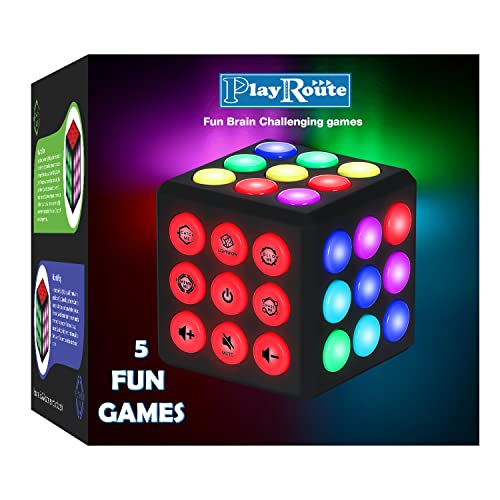
The PlayRoute Electronic Brain & Memory Game Cube features five interactive games focused on memory, pattern recognition, and concentration. With light-up elements and engaging prompts, the cube offers a structured way to challenge attention while providing immediate feedback. This handheld device is suitable for travel and quiet classroom activities, giving children an accessible platform to practice cognitive skills in short, repeatable sessions.
Flybar Pogo Trick Ball For Active Play

The Flybar Pogo Trick Ball supports indoor and outdoor active play, offering a high-energy outlet that promotes balance, coordination, and core strength. Its durable construction and non-slip deck help ensure safe use for kids who enjoy physical activity. The pogo experience encourages gross motor development, proprioception, and rhythm, while requiring minimal setup, making it suitable for quick play sessions in yards, living rooms, or parks.
Buying Guide
- Developmental fit: Choose toys that support sensory processing, fine motor skills, and cognitive planning, aligning with your child’s unique strengths and needs.
- Sensory balance: Mix visual, auditory, and tactile experiences to avoid overstimulation. Rotate toys to maintain engagement without overwhelm.
- Durability and safety: Prioritize sturdy materials, rounded edges, and age-appropriate weight limits. Ensure small parts are avoided if mobility is a concern.
- Portability: Look for items that travel well—lightweight, compact, and easy to clean—for therapy sessions or school days.
- Progression: Favor toys that scale in difficulty or offer repeatable patterns, enabling gradual skill growth in memory, attention, and coordination.
- Engagement style: Include both independent and caregiver-guided activities to foster autonomy while supporting learning through guided play.
- Care considerations: Check cleaning instructions and materials for safety with children who have sensitivities or allergies.
- Multi-user opportunities: Some toys support siblings or peers in cooperative play, promoting social interaction and communication skills.
- Quiet vs. active options: Balance high-energy toys with calming sensory items to help with transitions and focusing during downtime.
- Consistency and routine: Establish short, predictable play sessions to build confidence and reduce anxiety around new toys or activities.