Best Sensory Tools for Kids: Top Picks for Tactile Learning
Exploring sensory tools helps children develop fine motor skills, focus, and emotional regulation. This guide highlights five hands-on options that support tactile exploration, pretend play, and early learning. Each pick is evaluated for safety, durability, and educational value to help families choose confidently.
| Product | Brand | Key Benefit |
|---|---|---|
| Helping Hands Fine Motor Tool Set | Learning Resources | Strengthens hands for writing; great for sensory bins |
| Wooden Sensory Bin Tools Kit (10 Pcs) | Yowlieu | Montessori-inspired tools for pretend play and fine motor work |
| Sensory Bin Tools Set (12 Pcs) | Calefow | Diverse tools for scooping, pinching, and sorting |
| Liquid Motion Bubbler | Super Z Outlet | Soothing visual tracking with slow droplet motion |
| Sensory Toys: Textured Fidget Noodles | LESONG | Stretchy, glow-in-the-dark textures for focus and calming play |
Learning Resources Helping Hands Fine Motor Tool Set
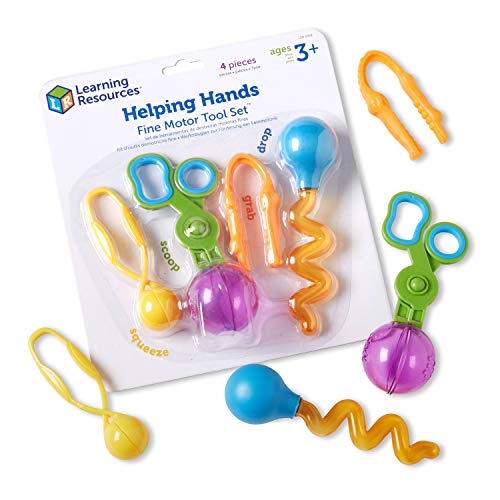
The Helping Hands kit assembles four fine motor tools designed for sensory bins and hands-on activities. It emphasizes grip strength, precision, and coordinated finger movements. Tailored for ages 3+, these tools support early writing readiness and tactile exploration without overwhelming textures. The set’s compact design makes it easy to integrate into classroom centers or home learning spaces, promoting independent play and guided activities.
Wooden Sensory Bin Tools Kit (10 Pcs)

This Montessori-inspired set includes 10 wooden tools plus a storage bag, offering a tactile, natural-material experience. Tools such as scoops, tongs, cups, and bowls enable children to practice fine motor skills, hand-eye coordination, and sensory discrimination. Edges are hand-sanded for safety, with smooth surfaces that reduce burrs. It supports pretend play, self-directed exploration, and collaborative activities in a family or classroom setting.
Calefow 12 Pcs Sensory Bin Tools

This 12-piece toolkit includes scoops, plastic tweezers, silicone tongs, shovels, an air pump, and clips. Built from durable plastics, these tools withstand frequent use in sensory bins, water play, and sand areas. Bright colors support early color recognition while promoting fine motor development and hand strength. Ideal for group activities or quiet, individual play sessions in homes or classrooms.
Liquid Motion Bubbler

The Bubbler provides a soothing, visual sensory experience as droplets descend in slow motion. It helps with visual tracking and calming sensory input, often used for children who benefit from rhythmic, predictable movement. The simple flip-and-reset design supports independent use, frustration-free resets, and could be incorporated into calm-down corners or therapy-inspired play.
Textured Fidget Toys For Kids

This pack features stretchy noodles with glow-in-the-dark accents, offering tactile variety and visual interest. Each string provides a distinct texture and tension to promote focus, stress relief, and sensory engagement. Suitable for classrooms, therapy settings, or home use, these noodles support sustained attention through repetitive, soothing motions.
4 Pack LCD Writing Tablet

This quartet of 8.5-inch LCD doodle boards uses pressure-sensitive liquid crystal technology for varied line thickness. Kids can draw, write, or spell and erase with a quick press of the erase button. The compact, reusable format supports classroom centers, travel activities, and individual tasks, fostering creativity and fine motor practice without mess.
Buying Guide: Key Purchase Considerations
- Age suitability and safety: Check age recommendations and ensure tools have smooth edges and non-toxic materials appropriate for children, especially toddlers who explore with mouths.
- Material and durability: Natural wood and sturdy plastics tend to last longer in busy play spaces; consider washing or cleaning requirements for each set.
- Skill development focus: Choose tools aligned with targeted skills—fine motor strength for writing, hand-eye coordination, color recognition, or sensory regulation.
- Versatility and reuse: Sets that support multiple activities (scooping, sorting, pretend play) offer better long-term value and varied engagement.
- Portability and storage: Look for compact kits or included storage bags to minimize clutter and facilitate easy rotation between activities or rooms.
- Therapeutic value: Some tools are explicitly suited for sensory regulation or autism-friendly interactions; consider how each item fits an individual child’s needs.
- Maintenance: Ensure items are easy to clean and sanitize, especially for use in shared spaces or classrooms.