Best Science Toys for Toddlers That Spark Curiosity
Discover engaging, kid-friendly science toys designed to ignite curiosity in toddlers. This guide highlights simple, hands-on tools that support sensory exploration, early STEM concepts, and fine motor development. Each pick comes from reputable brands and pairs play with learning, helping young children observe, explore, and ask questions about the world around them.
The following summary table presents five carefully chosen products, their brands, and a few standout features to help you compare at a glance.
| Product | Brand | Key Features |
|---|---|---|
| TickiT Touch & Match Board | tickit | 12 colors and textures, sensory matching, aids descriptive language |
| Educational Insights GeoSafari Jr. Kidnoculars | Educational Insights | Kid-sized, focus-free, large eyepieces; durable for little hands |
| Educational Insights GeoSafari Jr. Talking Microscope | Educational Insights | Up-close images with Bindi Irwin’s voice; age-appropriate science toy |
| Environments Toddler Specimen Viewers (Set of 4) | Environments | STEM classroom-friendly, includes guide, diverse specimens |
| Super Z Outlet Liquid Motion Bubbler | Super Z Outlet | Soothing, slow-motion bubbles; sensory and focus aid |
TickiT Touch & Match Board
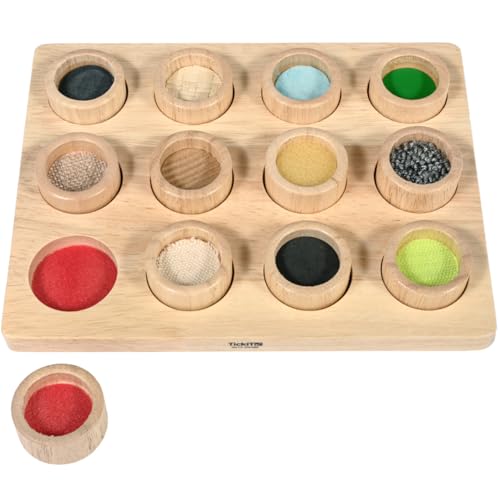
The TickiT Touch & Match Board is designed to nurture sensory integration and language development in toddlers. This tactile puzzle encourages children to explore textures and colors while matching a chosen counter to a corresponding surface, promoting visual-perceptual skills and descriptive language. With 12 colors and textures to match, caregivers can introduce blindfold challenges to heighten sensory awareness and memory. The board blends tactile input with vocabulary-building prompts, supporting early literacy and communication milestones in a multisensory format.
Educational Insights GeoSafari Jr. Kidnoculars

GeoSafari Jr. Kidnoculars are purpose-built for beginning explorers. These kid-friendly binoculars are focus-free and feature oversized eyepieces that make it easier for toddlers to align and view distant objects. Built to withstand little hands, they pair with educational play to foster early observation skills, curiosity about nature, and the basics of scientific inquiry. An approachable introduction to magnification helps children notice details in plants, animals, and outdoor environments while encouraging vocabulary growth and shared discovery.
Educational Insights GeoSafari Jr. Talking Microscope

The GeoSafari Jr. Talking Microscope provides an engaging way to explore nature with guided audio commentary. In collaboration with wildlife advocate Bindi Irwin, the microscope delivers kid-friendly explanations about plants, animals, and textures as children examine specimens. It is designed for preschoolers, pairing simple operation with rich visuals to spark curiosity without overwhelming learners. This toy supports early scientific thinking, vocabulary development, and a love for discovery through an accessible, age-appropriate microscope experience.
Environments Toddler Specimen Viewers (Set of 4)
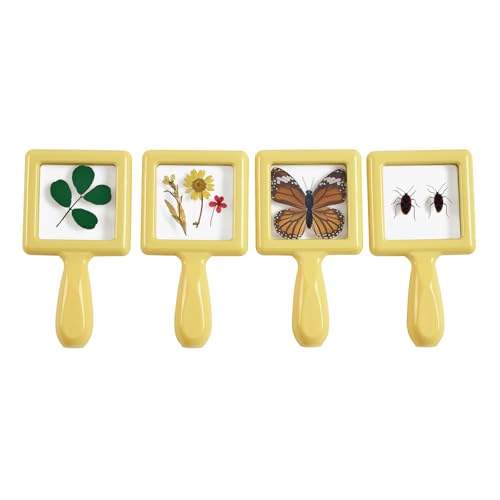
These specimen viewers offer a hands-on way to explore basic biology concepts. The set includes guided content to help children understand insect anatomy, specimen types, and habitats. Designed for early STEM, the viewers encourage inquiry-based play and provide a bridge to science centers and classroom activities. A simple, durable build supports repeated use by toddlers and preschoolers, making them suitable for group play and independent exploration alike.
Super Z Outlet Liquid Motion Bubbler

The Super Z Outlet Liquid Motion Bubbler provides a soothing, slow-motion visual experience that can help calm and focus toddlers. As gravity guides the colored droplets down the bubble-filled liquid, children develop visual tracking and patience. This toy doubles as a simple sensory tool that can assist with sensory processing and hyperactivity management by offering a repetitive, mesmerizing play pattern. It’s a straightforward addition to a quiet corner or therapy-inspired play space, with ample opportunities for language labeling and color recognition.
Buying Guide: Key Purchase Considerations
When selecting science toys for toddlers, consider safety, age appropriateness, and the learning goals you want to support. Look for robust, non-toxic materials and rounded edges suitable for little hands. Choose toys that encourage open-ended exploration as well as guided activities to support different learning styles.
- Safety and Durability: Prioritize BPA-free plastics, sturdy construction, and parts that are easy to clean. Ensure age recommendations align with your child’s development stage.
- Sensory Engagement: Toys with textures, colors, sounds, and motion help with sensory integration and focus. Balance high-stimulation items with calm, soothing options.
- STEM Concepts: Early exposure to observation, prediction, and inquiry builds a foundation for later science learning. Look for opportunities to discuss cause and effect, color mixing, and patterns.
- Portability and Space: Consider the play area available and whether the toy travels well between rooms or with you on the go. Compact options can fit small spaces yet offer rich exploration.
- Educational Balance: Choose items that blend play with learning, avoiding heavy-handed instruction. Hands-on activities that invite questions promote long-term curiosity.
- Maintenance: Easy-to-clean surfaces and resistent colors help keep toys hygienic for toddlers who explore with hands and mouths.
How to use these toys effectively: start with guided prompts to introduce basic concepts (e.g., color mixing with the color paddles, or what you notice through the Kidnoculars). Then gradually encourage independent exploration, letting your child lead questions and hypotheses. Pair play with short storytelling or real-world observations (like birds in the yard) to connect the toy experiences to everyday science, reinforcing curiosity and memory.