Best Science Toys for Preschoolers: Hands-on Learning With STEM Toys
Discover engaging, age-appropriate science toys that spark curiosity in preschoolers. This guide highlights five top picks that blend play and early STEM concepts, helping little learners explore magnets, building, microscopy, observation, and anatomy through safe, interactive activities. Each toy supports fine motor skills, critical thinking, and early science literacy with engaging activities and kid-friendly design.
Summary of chosen products
| Product | Brand | Key Benefit |
|---|---|---|
| Magnet Movers STEM Set | Learning Resources | Introduces magnetism and early physics through a 39-piece set |
| 200 Pieces Building Blocks | TOMYOU | Encourages creativity and STEM skills with versatile shapes |
| GeoSafari Jr. Talking Microscope | Educational Insights | Interactive science exploration with child-friendly narration |
| Kidnoculars Binoculars | Educational Insights | Kid-sized binoculars for nature and space exploration |
| Montessori Animal Match Cards | MEROCO | Language and recognition skills with real-world animal images |
Magnet Movers STEM Set By Learning Resources

The Magnet Movers 39-piece set from Learning Resources introduces magnets and basic physics concepts. Includes a magnetic wand, various magnetic accessories, and an activity guide. Designed for ages five and up, this kit encourages hands-on exploration of attraction, repulsion, and magnetic field effects, promoting critical thinking and early problem solving as children experiment with different configurations.
200 Pieces Building Blocks For STEM Learning
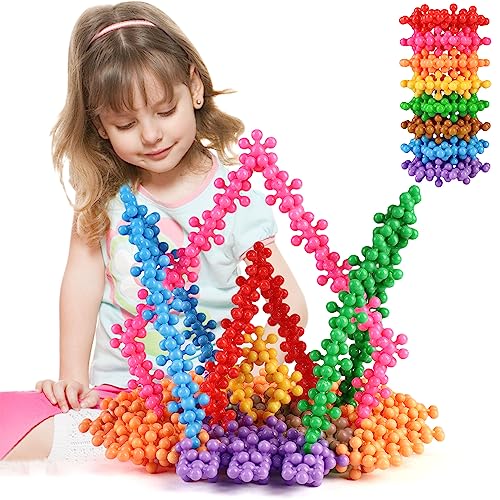
Tomyou’s 200-piece set offers vibrant interlocking discs and blocks to support creativity and STEM development. This versatile collection helps preschoolers build flowers, animals, cars, and structures while strengthening fine motor skills, spatial reasoning, and imaginative play. The durable plastic storage box keeps pieces organized and ready for ongoing exploration, and the set is BPA- and lead-free for safe classroom or home use.
GeoSafari Jr. Talking Microscope

Educational Insights GeoSafari Jr. Talking Microscope pairs vivid imagery with engaging narration by wildlife expert Bindi Irwin. This preschool-friendly microscope introduces micro-world exploration, inviting kids to observe plants, animals, and textures up close. The device emphasizes look, listen, and learn—fostering curiosity while presenting a real scientific toy experience in an approachable format intended for early readers and listeners.
Kidnoculars Binoculars For Kids

Educational Insights Kidnoculars are designed specifically for young explorers. These kid-sized binoculars feature focus-free viewing, large eyepieces, and a sturdy build to withstand everyday use. With magnification around 2x, children can observe nature, birds, and distant objects, reinforcing scientific observation skills and encouraging outdoor discovery as part of a broader preschool science curriculum.
Montessori Animal Match Cards

Montessori Animal Match is a cooperative activity set featuring 12 picture cards and matching animal figurines. This tactile game supports language development, word recognition, pronunciation, and vocabulary building through realistic images. The set is crafted for small hands and classroom use, aligning with Montessori-inspired learning goals and early literacy in preschool environments.
Silly Science Fine Motor Sorting Set

Learning Resources Silly Science Sorting Set blends early science with fine motor development. With 55 pieces, this activity set invites children to sort colored germs and practice counting, sorting, and matching. Two specialized tools enhance hand strength and precision, supporting the development of essential motor skills while introducing foundational science concepts in a playful format.
Buying Guide: Key Purchase Considerations
- Age appropriateness: Check recommended age ranges to ensure safe, engaging activities that match preschoolers’ cognitive and motor skills.
- Safety and materials: Look for BPA- and lead-free plastics, durable construction, and non-toxic paints or finishes suitable for small children.
- Hands-on learning focus: Favor kits that encourage exploration, problem solving, and real-world connections rather than passive play.
- Curriculum alignment: Consider tools that reinforce foundational science concepts—magnetism, biology, observation, and spatial reasoning—in age-appropriate formats.
- Portability and storage: Sets with compact packaging or sturdy storage boxes help families and teachers manage materials between home, classroom, and travel.
- Multi-sensory engagement: Toys that incorporate visuals, sounds, and tactile elements support varied learning styles and long-term engagement.
- Durability and reuse: Reusable components and modular designs extend play value and classroom usability across multiple children and sessions.
- Organization and guidance: Clear activity guides or prompts help caregivers and teachers facilitate meaningful exploration without extensive preparation.
- Budget and value: Compare piece counts, versatility, and durability to determine the best value for ongoing preschool STEM activities.
In summary, the selected line-up emphasizes safe, engaging, and educational experiences for preschoolers. Each option focuses on a core STEM area—magnetism, building, observation, or biology—while supporting early literacy, motor skills, and critical thinking. Parents and teachers can rotate these activities to sustain curiosity and build a strong foundation for science learning in the pre-kindergarten years.