Best Sand for Kids Sandbox: Safe, Soft, and Sensory Play Options
Choosing the right sand for a kids’ sandbox or sensory play area can influence how kids explore, imagine, and learn. This article compares top kid-friendly play sands that are widely trusted for safety, low dust, and moldable textures. We cover washed, finely graded options ideal for building castles, digging activities, and calming sensory experiences for children of various ages.
Summary table of selected products:
- Sandpiper Multiuse Play Sand for Kids, 50 Lbs — Washed, low-dust, versatile for sandbox, sand table, or sensory areas.
- Palmetto Soft Play Sand, Creme, 50 lbs — Soft, safe, and low-dust with developmental play benefits.
- U.S. Silica Large 50 Pound Play Sand — Finely graded, fully washed, durable for art, trays, and sandboxes.
- Sun Joe Ultra Fine Silica Play Sand — Ultra-clean, natural white, ideal for molding and sculpting.
- Classic Sand and Play Sand for Sandbox — Premium, non-toxic, suitable for therapy and creative play.
Sandpiper Multiuse Play Sand For Kids
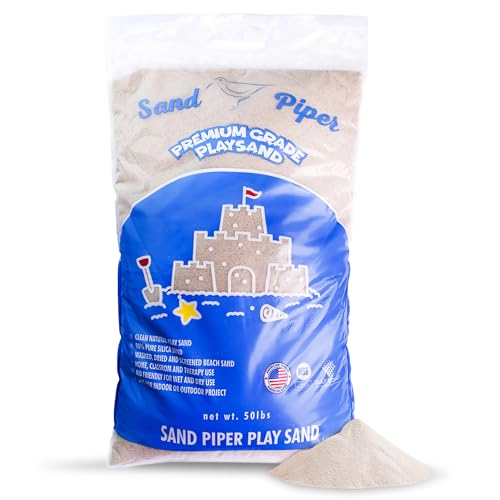
Sandpiper’s 50-pound bag delivers washed play sand designed to fill a child’s sandbox and sensory spaces. The product emphasizes a debris-free composition with a 99% silica makeup, ensuring hands can shape sand without worry. Its smooth texture supports gentle molding, digging, and craft projects, making it a versatile choice for sandbox setups, sand tables, or decorative sensory zones. The low-dust profile helps minimize mess while maintaining natural feel and performance in both indoor and outdoor settings.
Palmetto Soft Play Sand Creme, 50 Lbs

Palmetto Soft Play Sand is designed for low-dust, soft-textured play that’s safe for young children. This 50-pound option supports a wide range of activities—from sandbox digging to sand table crafts—without harsh additives. The product’s texture encourages large-muscle development and hand-eye coordination as kids scoop, sift, and pour. Its clean composition is suitable for classrooms, homes, and therapy settings, helping children explore spatial relationships and fine motor skills through sensory-rich play.
U.S. Silica Large 50 Pound Play Sand

U.S. Silica offers a large 50-pound bag of finely graded, fully washed sand. This white play sand is designed for safe, long-lasting use in sandboxes, art trays, and sensory stations. It’s non-toxic and free from harmful chemicals, making it a reliable choice for both indoor and outdoor environments. The sand’s high quality helps it hold shapes well, supporting sculpting and detailed sand-casting projects while remaining easy to clean up after playtime.
Sun Joe Ultra Fine Silica Play Sand

Sun Joe’s Ultra Fine Silica Play Sand is a premium, ultra-clean white sand ideal for molding, digging, and sculpting. The 20-pound bag offers a versatile option for sandbox areas, sensory tables, gardens, and even aquariums. Its fine texture supports precise shaping and detailed sand art, while maintaining a gentle touch suitable for small hands and educational activities. The product emphasizes a clean, safe play experience across multiple settings.
Sun Joe Silica Play Sand For Sandbox

Sun Joe’s silica play sand for sandbox and sensory spaces is described as natural and high-quality. This 50-pound option focuses on a soft, smooth texture suitable for molding, digging, and sculpting projects. It supports a broad range of activities, from therapy-inspired sensory play to garden-related crafts. The versatile sand fosters tactile exploration and fine motor development while remaining adaptable for both indoor and outdoor use.
Classic Sand And Play Sand For Sandbox
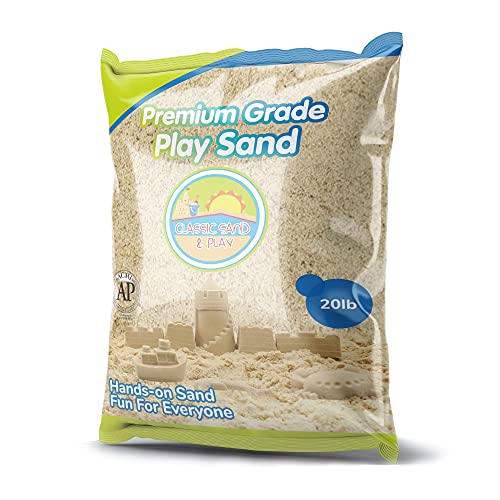
Classic Sand & Play offers a 20-pound bag of natural, non-toxic sand suitable for sandbox and therapy environments. The product is washed and dried to ensure safety, helping children engage in creative play with confidence. Its soft texture supports immersive castle-building, digging, and sensory exploration while fitting well in home playrooms, classrooms, and therapy spaces. The sand’s quality helps sustain play activities across multiple sessions.
Buying Guide: Key Purchase Considerations And Comparisons
Safety And Purity
Look for sand that is washed, screened, and free from harmful chemicals. A high-purity silica content often indicates lower dust and fewer irritants, which is particularly important for young children who frequently handle sand with bare hands or during sensitive sensory activities.
Dust Levels And Cleanliness
Low-dust or dust-free formulations reduce indoor mess and respiratory concerns. Consider play sands marketed as low-dust or designed for minimal household cleanup, especially if the sandbox is indoors or near living spaces.
Texture And Moldability
Fine, smooth textures help kids mold and sculpt easily, while still holding shapes for longer play sessions. Look for sands described as soft, uniform-grain, or moldable to support building activities and creative play ideas.
Durability And Shape Retention
Separating sands that hold their shape well from those that crumble helps during castle building or sculpture projects. Sands that maintain form can extend the duration of play without frequent adjustments.
Versatility Across Settings
For families and classrooms, a sand that works in sandboxes, sensory tables, and art projects offers more value. Consider multi-use products that adapt to different spaces and activities, including outdoor play and indoor therapy settings.
Safety For Sensitive Environments
Non-toxic formulations are essential for therapy rooms and schools. For indoor spaces, choose a product specifically described as safe for children and approved by relevant safety guidelines.
Size And Packaging
Bag sizes vary from 20 to 50 pounds. Choose based on your sandbox dimensions, anticipated usage, and whether you have multiple play stations. Re-sealable or easy-to-store packaging can simplify ongoing use.
Cost-Effectiveness And Availability
Compare per-pound cost and availability through trusted retailers. Consistent supply matters for ongoing projects, especially in classrooms or daycare centers where replenishment is needed over time.
In sum, the best sand for a kids’ sandbox balances safety, texture, and practicality. The options highlighted above provide varied textures, low-dust formulations, and multi-use capabilities suitable for homes and educational settings alike. Parents, educators, and therapists can select sands that align with play goals—whether building fine motor skills, exploring sensory textures, or encouraging imaginative storytelling through sandbox adventures.