Best Push Bike for Baby: Top 5 Multi-Mode Tricycles for Toddlers
This guide highlights five versatile push bikes and tricycles designed for toddlers aged 9 months to 5 years. Each model grows with your child, offering modes from parent-controlled push to independent riding. Below you’ll find a quick summary, followed by detailed product sections and a practical buying guide to help you choose the right multi-mode ride-on toy.
| Product | Brand | Key Benefit | Ages |
|---|---|---|---|
| newyoo 5-in-1 Toddler Tricycle | newyoo | Wide mode range with adjustable handlebar | 1–3 years |
| RIDYEE 8-in-1 Tricycle | RIDYEE | Tool-free switches and large canopy | 1.5–5 years |
| SEREED Baby Balance Bike | SEREED | Sturdy 4-wheel balance trainer for early riding | 12–24 months |
| Radio Flyer 4-in-1 Stroll ‘N Trike | Radio Flyer | Removable accessories; grows through 4 stages | 12 months–5 years |
| INFANS 6-in-1 Tricycle | INFANS | Flexible parent control and reversible seat | 9 months–5 years |
newyoo 5-in-1 Toddler Tricycle
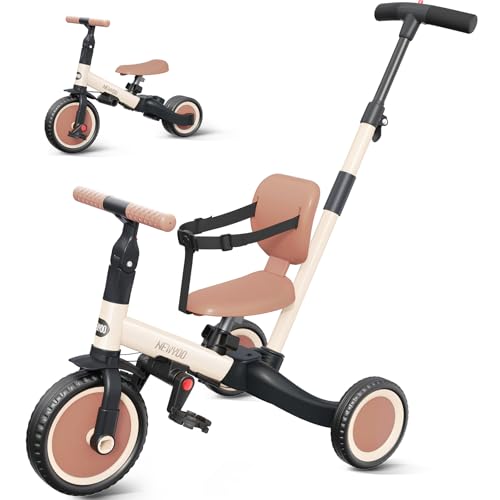
The 5-mode design transitions from push tricycle to balance bike and bike modes, accommodating ages 1–3 with a focus on safe, supervised practice. A 135-degree rotating push handlebar helps parents manage speed and direction, while adjustable handlebar, seat, and pedals support growing children. The unit features a backrest and safety belt for added security. Transformation between modes is managed via a red button, enabling quick changes as kids develop confidence and balance.
RIDYEE 8-in-1 Tricycle

This 8-in-1 trike grows with your child from ages 1.5 to 5, offering parent-guided steering via a clutch system and adjustable 2-height parent handle. It features removable pedals that convert to footrests, integrated canopy and canopy storage, and a two-footrest design to suit different stages of riding. With tool-free mode changes, it’s designed for easy setup and ongoing use as children transition from guided rides to independent triking.
SEREED Baby Balance Bike
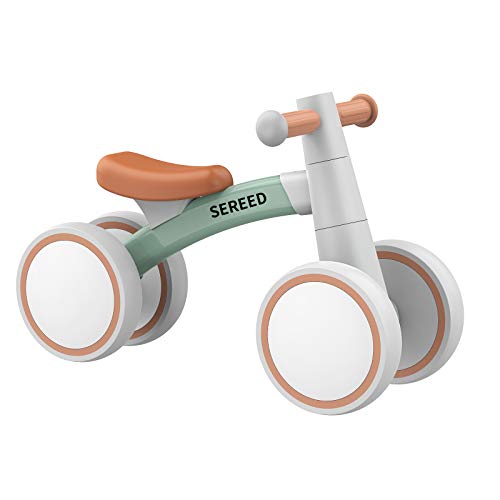
Designed for 12–24 months, the SEREED balance bike emphasizes balance and steering development without pedals. Its 135° turning limit and gravity-based steering help prevent tipping while children explore. The unit uses a sturdy aluminum frame, non-slip TPU handles, and a cushioned seat, enabling use indoors or outdoors. The wide wheels aid stability, supporting a gentle, confidence-building start to riding for toddlers.
Radio Flyer 4-in-1 Stroll ‘N Trike

This versatile trike transitions through four stages, from toddler trike to steering trike, learn-to-ride trike, and classic trike. It accommodates ages 12 months to 5 years and includes removable accessories such as an adjustable UV canopy, tray, headrest, seat belt, footrest, and parent push handle. The design supports growth, with a focus on safety and ergonomic comfort for both child and caregiver during park, sidewalk, or driveway rides.
INFANS 6-in-1 Tricycle

The INFANS 6-in-1 bicycle adapts from a push stroller to a rear-facing stroller, steering tricycle, learn-to-ride trike, and eventually a conventional bike stance for older children, spanning ages 9 months to 5 years. It includes a parent control handle, reversible seat, detachable canopy, and a robust safety belt system. This configuration supports continuous use as a child’s riding abilities evolve, with a focus on guided practice and gradual independence.
Buying Guide
Key purchase considerations help determine the best multi-mode ride for your toddler:
- Age and growth trajectory: Choose a model with clear, adjustable stages to match your child’s development, from early push to independent riding.
- Safety features: Look for harnesses, durable frames, non-slip pedals, stable wheels, and a secure push handle that remains comfortable for caregivers.
- Transition ease: Favor designs with tool-free mode changes, simple latches, and intuitive controls to minimize setup time and maximize ride time.
- Weight and portability: Lighter frames ease transport and storage, while sturdier materials improve durability for longer use.
- Comfort and ergonomics: Consider seat padding, back support, handlebar height adjustability, and pedal placement that suits your child’s height.
- Accessories and canopy: Canopies, trays, and removable parts add convenience and protect children during outdoor use.
- Maintenance: Fewer moving parts and simple cleaning can extend product life and reduce upkeep.
When evaluating options, compare the number of usable modes, the range of adjustability, and how easily caregivers can manage the ride in crowded or uneven environments. This holistic view ensures the chosen push bike or tricycle supports safe practice, family time, and long-term value.