Best Peanut Ball for Kids: Flexible Seating and Therapy Balls for Active Learning
Peanut-shaped balls offer engaging ways to boost focus, balance, and motor skills for children. This guide highlights five top peanut balls that support sensory processing, physical therapy, and interactive play for kids of all abilities. Each option provides stability, anti-burst assurance, and child-friendly materials to suit home or classroom use.
| Product | Brand | Key Benefit | URL |
|---|---|---|---|
| Gaiam Kids Active Seat Peanut Shaped Chair | Gaiam | Promotes posture, core strength, and focus | https://www.amazon.com/dp/B0CJGWH5BB?tag=toysscout-20 |
| Meex Sensory Peanut Ball (Blue) | Meex | Balance, motor skills, calming sensory therapy | https://www.amazon.com/dp/B0CR32C9X3?tag=toysscout-20 |
| Milliard Peanut Ball Variety Pack | Milliard | Posture support and core strength across sizes | https://www.amazon.com/dp/B013CHE7O2?tag=toysscout-20 |
| BABYGO Sensory Exercise Ball (Blue/Orange) | BABYGO | Balance, motor skills, sensory regulation | https://www.amazon.com/dp/B0B5R55TCN?tag=toysscout-20 |
| INPANY Peanut Ball (Pink) | INPANY | Stability for labor support and core strength | https://www.amazon.com/dp/B0C1BMGJ34?tag=toysscout-20 |
Gaiam Kids Active Seat Peanut Shaped Chair

Designed as a flexible seating option, the Gaiam peanut ball chair helps promote healthy posture and core engagement. Its wobble-friendly surface encourages kids to sit still while moving, aiding concentration in classrooms or at home. The ball’s dynamic shape supports crossing legs and light bouncing to help restless or high-energy children channel energy productively. Its design targets improved attention and balance, making it suitable for both boys and girls who benefit from an active seating approach during tasks or study time.
Meex Sensory Peanut Ball (Blue)

The Meex peanut ball emphasizes enhanced focus and therapeutic support for sensory needs. It offers a stable surface that helps channel energy into balanced movement, supporting concentration during activities like playtime or learning tasks. This ball is designed to assist children with autism or sensory processing challenges by providing tactile feedback, pressure, and controlled movement. Built for durability, it is anti-burst and made from child-friendly materials to endure regular use.
Milliard Peanut Ball Variety Pack
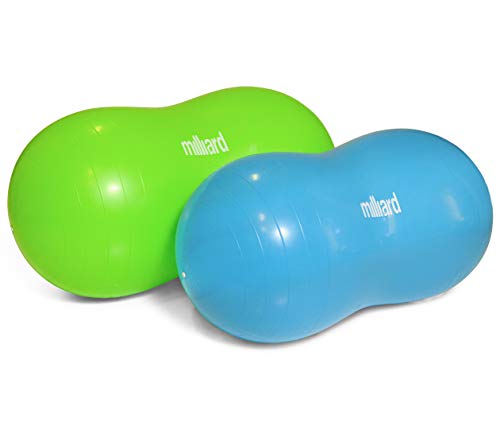
The Milliard Peanut Ball Variety Pack includes multiple sizes for progressive training. These balls are used to improve posture and support core strength, with applications in gym sessions, yoga, or living room activities. The variety pack makes it easy to select the appropriate size for a child’s height and developmental stage, enabling flexible integration into a kid-friendly fitness routine.
BABYGO Sensory Exercise Ball (Blue|Orange)

The BABYGO peanut ball combines fun with therapy-friendly features. It supports balance, motor skill development, and tactile awareness, with an included exercise book and pump. This versatile ball is well-suited for children with sensory disorders or autism, offering activities such as sitting, straddling, bouncing, rolling, or lying, all within a calming sensory framework.
INPANY Peanut Ball (Pink)

The INPANY peanut ball offers stable seating and anti-burst construction for safe use at home or in therapy settings. It is designed to improve posture and core strength, with a focus on safe, controlled movement. The ball’s stability cradle supports comfortable positioning, making it a suitable option for both labor support in birthing contexts and pediatric use for physical therapy or sensory activities.
Buying Guide
- Intended use: Choose a ball that aligns with the primary goal—therapy, classroom seating, or family play. Some models emphasize calming sensory benefits, others focus on posture and core strength.
- Size and weight rating: Ensure the ball size matches the child’s height and age. Many peanut balls come in multiple diameters; select the appropriate option for stable contact with the floor while seated or standing.
- Material and safety: Look for anti-burst construction, non-slip surfaces, and BPA/phthalate-free materials. Durable construction supports vigorous play and long-term use.
- Comfort and support: A center cradle or ergonomic peanut shape can reduce discomfort during longer sessions. Consider the firmness level that matches the child’s needs.
- Maintenance: Check for easy cleaning and simple inflation/deflation if using a pump. Removable covers can extend product life and hygiene.
- Therapeutic alignment: For therapy, verify that the ball supports balance, coordination, focus, and tactile perception as described in the product features.
- Versatility: Some balls pair with instructional materials or activity books, which can enhance home practice and consistency in therapy or exercise routines.
- Budget and durability: A higher upfront cost can correlate with durability and longer use, especially for families needing ongoing therapy tools.