Best Learning Devices for Kids: Top Picks to Boost Education and Play
Looking for kid-friendly devices that blend education with fun? This guide highlights five learning devices that help kids develop reading, writing, vocabulary, and critical thinking. From interactive tablets to talking flash cards, these picks cover early learning needs and support home or classroom activities. Each option is selected for age-appropriate content, accessibility, and engaging features designed by educational experts.
| Product | Brand | Key Benefit |
|---|---|---|
| LeapFrog LeapPad Academy | LeapFrog | 20 apps and kid-friendly web browsing for guided learning |
| LeapFrog Mr Pencil’s Scribble Write and Read | LeapFrog | Hands-on handwriting practice with animated transformations |
| LeapFrog Touch and Learn eReader | LeapFrog | Phonics-focused stories and read-along activities |
| Airbition Talking Flash Cards | Airbition | Montessori-style vocabulary building and animal sounds |
| Spanish & English Bilingual Alphabet Flash Cards | MAYAPHILOS | Dual-language vocabulary with 510 sight words |
LeapFrog LeapPad Academy Kids’ Learning Tablet, Green
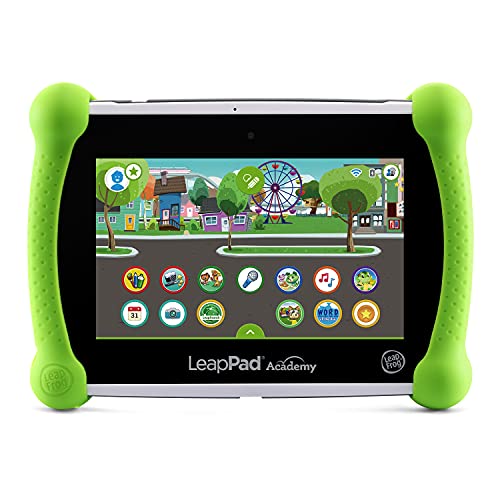
The LeapFrog LeapPad Academy is a kid-friendly Android-based tablet designed for learning adventures. It comes with 20 educational apps and creativity tools curated by LeapFrog’s learning experts. Kids can explore LeapSearch, a kid-friendly browser with access to appropriate websites and videos. The device includes a free three-month trial of LeapFrog Academy, an interactive program that progressively guides children through age-appropriate learning activities. Its emphasis on guided exploration helps reinforce early literacy, number sense, and creative skills in an engaging, child-safe environment.
LeapFrog Mr Pencil’s Scribble Write and Read, Green

Mr Pencil’s Scribble Write and Read provides a hands-on approach to handwriting and early literacy. The toy presents uppercase and lowercase letters step-by-step, then animates them into fun characters. Kids trace numbers along dotted lines and watch them transform into countable objects. Teachers or parents can customize by entering a child’s name so they can practice writing it, blending writing instruction with playful animation to reinforce letter formation and name recognition in a friendly way.
Speak & Spell Electronic Game

Note: This item is included to illustrate retro-style spelling games focused on vocabulary and spelling skills. It features multiple play modes—Spell, Mystery, Say It, Secret Code, and Letter—allowing children to practice spelling at varying challenge levels. While reminiscent of 80s design, its core function is to engage kids in phoneme awareness, word construction, and listening skills through interactive word-building challenges.
Airbition Talking Flash Cards for Toddlers

This Montessori-style learning device uses 224 flash cards with sounds to expand vocabulary and cognitive skills. The set includes animals, vehicles, foods, fruits, and vegetables, helping children build a broad word bank through interactive sound-image associations. It is described as helpful for speech therapy and autism-related learning, offering a repeat function and five-level volume control for adaptable, low-distraction learning sessions. It’s designed for easy use: switch on, insert a card, and listen to content in a standard American accent.
Joyreal AAC Device for Autism

The Joyreal AAC device features 24 pre-installed instructions in a picture-and-color format to aid basic communication needs. It offers six programmable buttons to record personalized messages, an adjustable volume, and portability with a lightweight build and storage bag. This device supports nonverbal communication goals, with emphasis on customizable, user-friendly prompts to facilitate everyday exchanges in homes, schools, or therapeutic settings.
Spanish & English Alphabet Bilingual Flash Cards
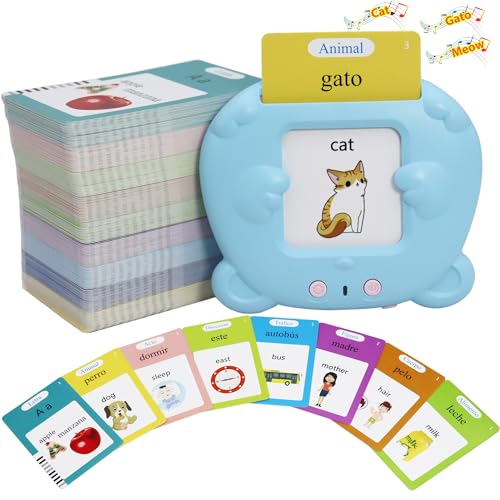
The MAYAPHILOS bilingual kit combines 510 sight words across 255 double-sided cards, providing both Spanish-English instruction. It uses a card reader to speak words aloud, including foods, animals, vehicles, and more. This set is designed for preschool through early elementary learners, supporting vocabulary growth, cognitive development, and memory in a language-rich, interactive format. It’s suitable for parents and teachers seeking a durable, screen-free learning option that promotes language acquisition in both languages.
Buying Guide: Key Purchase Considerations
- Age appropriateness: Choose devices aligned with your child’s developmental stage and literacy level to maximize engagement without frustration.
- Content and curriculum: Look for products with structured learning paths, phonics focus, handwriting practice, or bilingual capabilities depending on your goals.
- Interaction style: Consider hands-on toys (writing and tracing) versus screen-based tablets for varying attention spans and screen-time preferences.
- Accessibility features: Adjustable volume, repeat modes, visual supports, and easy-to-use interfaces help children with different needs, including autism and speech delays.
- Portability and durability: For on-the-go learning, select lightweight devices with sturdy construction and simple charging options.
- Parental controls and progress tracking: Features that monitor progress, set limits, and guide activities can improve learning outcomes and safety.
- Multilingual options: If bilingual learning is a goal, prioritize products offering dual-language content or easy switching between languages.
- Future-proofing: Devices with expandable content (apps, flash cards, or updated curricula) extend longevity beyond initial use.
Across these selections, learning devices for kids tend to be most effective when paired with guided activity from caregivers. Whether tracing letters, listening to phonics, or building vocabulary with flash cards, combining interactive tools with real-world practice reinforces concepts and sustains interest in learning.