Best Helmet for 4 Year Olds: Safe, Adjustable Picks for Young Riders
Choosing a helmet for a 4-year-old requires considering safety standards, proper fit, and comfort for extended wear. The following selections are suitable for kids around age 4, supporting various activities such as biking, skating, and scootering. Each option features adjustable sizing, protective shells, and ventilation to keep young riders cool. Below is a quick snapshot of five well-rounded helmets and gear sets that balance protection, comfort, and value.
| Product | Brand | Age Range / Size | Key Features |
|---|---|---|---|
| Toddler Helmet, Bienbee Kids Bike Helmet Skateboard Helmets for Bicycle Balance Bike Scooter | Bienbee | Age 1-14 (adjustable) | ABS shell, thick EPS foam, multiple colors, suitable for multiple sports |
| Kids Bike Helmet, Adjustable and Multi-Sport, 3 Sizes (Pink) | OUWOER | Small/Medium/Large; fits 2-14+ depending on size | 3 sizes, US safety standard compliant, 11 vents for cooling |
| Toddler Helmet, Baby Infant Kids Bike Helmet | Lemmeko | Head circumference 18.9–21.7 in (varies by size) | Hard PC shell, EPS foam, breathable vents, adjustable back dial |
| Bell Spiderman SPIDEY EYES Toddler Helmet | BELL | Ages 3-5, 48-52 cm | High-impact reflectors for visibility, fun design |
| Besttravel Kids Bike Helmet, Toddler Adjustable Ages 3-8 | Besttravel | Ages 3-8 | ABS shell, EPS core, grows with child, versatile for multi-sport |
Bienbee Toddler Helmet For Young Riders

The Bienbee helmet is designed for a broad age range, making it suitable for a 4-year-old who grows into new activities. It features an ABS outer shell with thick EPS foam for impact protection and supports multiple sports such as biking, skating, scooter riding, and balance bikes. With several color options, parents can pick a style their child will enjoy while maintaining a secure fit as they grow.
OUWOER Kids Bike Helmet, 3 Sizes
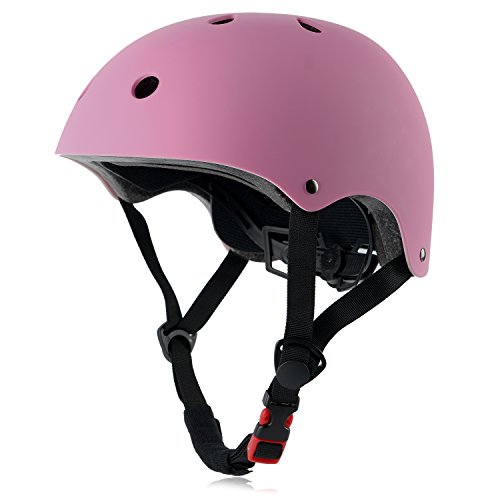
OUWOER offers three sizes for a precise fit, with sizes covering 2-14+ years depending on the selection. The helmet uses an ABS shell with high-quality EPS foam for shock absorption and includes 11 vents to improve airflow, helping keep young heads cool during play and activity. It is designed to meet U.S. safety standards for bicycle helmets for those aged five and older, providing a safety margin for growing kids.
Lemmeko Toddler Helmet For Ages 1-8

This toddler helmet provides a hard PC outer shell with EPS inner foam for solid protection. It is designed to fit a wide age range and features 11 vents to improve airflow. The adjustable rear dial and chin strap enable a secure, growing fit for ages from 1 to 8, making it a practical option for a 4-year-old who needs a helmet that adapts as they grow.
Bell Spidey Eyes Toddler Helmet
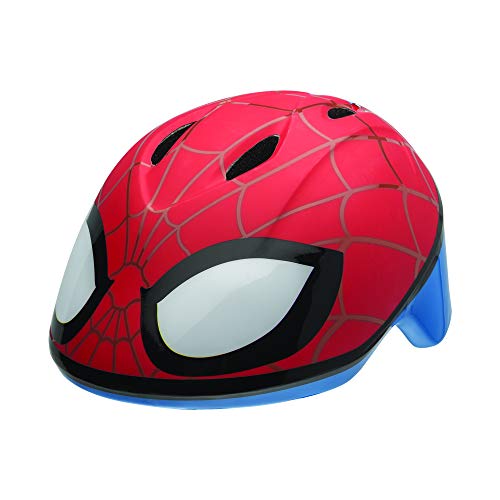
The Spidey Eyes helmet is tailored for children aged 3-5 and provides a snug fit for head sizes in the typical range for four-year-olds. It includes high-visibility reflectors to enhance safety during low-light hours and encourages consistent helmet use through an engaging design that appeals to kids while maintaining protective standards.
Besttravel Kids Bike Helmet, 3-8 Years

Besttravel offers a helmet designed to grow with a child from ages 3 to 8. It features a rugged ABS shell with an EPS core for impact protection and multiple vents to promote airflow. The adjustable fit ensures a secure and comfortable ride, covering a typical 4-year-old’s head as they expand into new activities such as skating and scooting.
Buying Guide: Key Purchase Considerations
- Fit and adjustability: Look for a dial-fit system or adjustable chin straps to accommodate growth and ensure a snug, secure fit. Correct sizing reduces the risk of helmet movement during play.
- Safety standards: Choose helmets that meet or exceed U.S. CPSC safety standards for bicycle helmets for ages 5 and older, or those explicitly designed for toddler sizes when applicable.
- Ventilation: Adequate vents help keep little heads cool during outdoor play, increasing the likelihood of consistent use.
- Durability vs. weight: A strong, impact-absorbing EPS core paired with a durable outer shell is essential, but the helmet should remain lightweight for comfort.
- Vent placement and comfort: Padding that is removable and washable improves hygiene; soft chin straps reduce chafing during extended wear.
- Design and appeal: Fun colors and character themes can encourage compliance and daily use without compromising protection.
- Multi-sport versatility: For kids who try scooters, bikes, and skateboards, a helmet that covers multiple activities offers value and consistent protection.
- Maintenance: Check straps, buckles, and foam integrity regularly. Replace helmets after significant impacts or if fit degrades over time.