Best Gas Bikes for Kids: Top 5 Mini Dirt Bikes for Safe Off‑Road Fun
Gas-powered mini dirt bikes offer kids thrilling experiences while teaching balance, control, and responsible riding. This guide highlights five well-regarded models that balance safety features, ease of use, and durable build. Each option appeals to different ages and skill levels, from beginner-friendly quaint riders to more advanced young enthusiasts who want a bit more power. Use the comparison table to quickly scan engine types, speeds, and load capacity before diving into detailed product overviews.
| Product | Brand | Engine | Max Speed |
|---|---|---|---|
| SUNDERWELL 50cc Mini Dirt Bike | SUNDERWELL | 50cc 4-stroke | 25 mph |
| NAKTO 50cc Dirt Bike | NAKTO | 50cc 2-stroke | Up to 40 mph |
| FRP GMB100 Mini Dirt Bike | FRP | 99cc 4-stroke | Up to 28 mph |
| FRP FX40-Ogemaw Dirt Bike | FRP | 40cc 4-stroke | Up to 20 mph |
| Coleman Powersports B200 Minibike | Coleman Powersports | 196cc 4-stroke | Up to 30 mph |
SUNDERWELL 50cc Mini Dirt Bike

The SUNDERWELL 50cc mini dirt bike is a compact, entry-level model designed for younger riders. It employs a 50cc 4-stroke engine that does not require oil blending, helping simplify maintenance. With a maximum speed around 25 mph, it uses a pull-start mechanism and a chain drive, making operation straightforward for beginners. The bike’s dimensions place it in a manageable size for developing riders, and a front fork with shock absorption adds comfort on bumpy terrain. A soft seat cushion improves rider comfort during longer sessions. Maximum load is listed at 165 lbs.
NAKTO 50cc Dirt Bike (Kids)
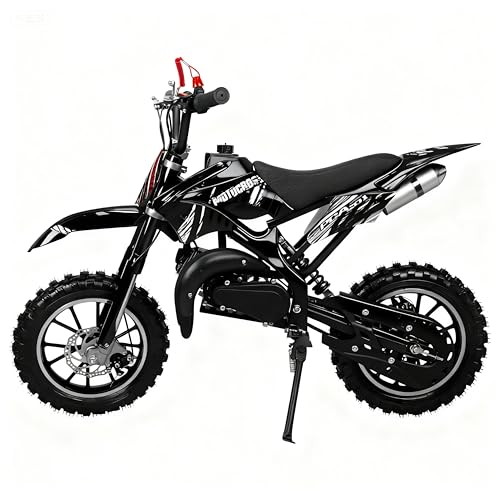
NAKTO’s 50cc dirt bike is designed to accommodate kids aged roughly 5–17, with an ergonomic frame intended to reduce fatigue and improve comfort. It combines a lightweight, yet sturdy steel frame with a suspension system designed to absorb shocks and provide a smoother ride on varied terrain. The model emphasizes safety with a triple power-off protection mechanism to prevent accidental startup, and front/rear disc brakes paired with suspension deliver solid stopping performance. It uses a 2-stroke engine, and features 10-inch off-road tires for better control during off-road adventures.
FRP GMB100 Mini Dirt Bike

FRP’s GMB100 mini dirt bike features a 99cc 4-stroke engine with no oil mixing required, delivering up to 28 mph. It adds a practical set of features for off-road use, including a built-in headlight and a neck gaiter for added protection. The bike supports riders up to 185 lbs and emphasizes straightforward starting with user-friendly ignition. It requires 15W-40 oil for optimal performance under heavy loads and high temperatures, and is designed for riders seeking a balance between power and ease of maintenance.
FRP FX40-Ogemaw Dirt Bike

The FRP FX40-Ogemaw is a 40cc dirt bike tailored for younger riders with a simple one-pull start system and a top speed around 20 mph. It features a 4-stroke engine that does not require oil mixing, with front and rear disc brakes for reliable stopping power. The bike is designed to develop confidence and proper riding technique in beginner riders, featuring a front fork and a rear mono-shock for some rider comfort on uneven terrain. The listed rider capacity is a practical 132 lbs.
Coleman Powersports B200 Minibike

The Coleman Powersports B200 minibike features a larger 196cc 4-stroke OHV engine, delivering robust off-road performance suitable for older or more experienced riders. Its heavy-duty frame is designed for durability across rough terrains, and the bike uses a low-pressure tire setup with double shock absorbers to reduce vibrations. Aimed at riders seeking more power, the B200 balances robust capability with ride comfort, making it a strong option for longer trail sessions and varied trail conditions.
Buying Guide
Key purchase considerations help align a gas-powered bike with a rider’s age, skill level, and intended use. Safety features, such as reliable braking systems (front and rear disc brakes) and effective suspension, are critical for younger riders learning to ride. Engine size and power output should match the rider’s experience; starting with smaller CC models (40–50cc) is common for beginners, while older kids or taller riders may handle 80–196cc models more comfortably. Consider maintenance needs, fuel efficiency, and ease of starting (pull start vs. electric start). Weight limit and rider height are essential to ensure safe handling and control. For longer rides, seat comfort and ergonomic design improve endurance and enjoyment. Finally, verify manufacturer safety recommendations and age guidance to avoid mismatches between rider ability and bike performance. When comparing options, weigh power against control, durability against price, and available safety accessories like gear and protective equipment to provide a holistic riding experience.
Additional considerations include the availability of spare parts and service support, especially for battery-powered or oil-ownership models. For families with multiple riders, choosing models with adjustable throttle and seat height can extend usability as children grow. If you plan on frequent trail use, check the bike’s ground clearance and tire tread for better grip on varied surfaces. Finally, review warranty terms and after-sales support to ensure peace of mind as your child builds confidence and skill behind the handlebars.