Best Cool Bikes for Boys: Top Picks for 6-12 Year Olds
Finding the right bike for a child blends safety, durability, and excitement. This guide highlights five standout options that combine sturdy construction with engaging features. Each pick is designed to handle everyday adventures, from neighborhood rides to weekend trails, while offering age-appropriate controls and style. The selections below are geared toward boys, though most are suitable for any child who loves outdoor riding. Use the buying guide to compare frames, brakes, and overall ride quality to match your child’s needs.
| Product | Brand | Age/Size | Key Benefit |
|---|---|---|---|
| Glerc 20 Inch Kids Bike | Glerc | 6-10 | Sturdy frame, 21 speeds, front suspension, disc brakes |
| Huffy Green Machine Drift Trike | Huffy | 8+ | Dual-stick steering, LED accents, durable steel |
| Minecraft 18-Inch Kids Bike | Dynacraft | 6-9 | Front caliper & coaster brakes, removable training wheels |
| WEIZE Kids Mountain Bike | WEIZE | 6-10 | Dual full suspension, 6 speeds, high-carbon steel frame |
| JOYSTAR Gemsbok 20 Inch | JOYSTAR | 7-13 | Freestyle BMX style, dual hand brakes, durable steel |
Glerc 20 Inch Kids Bike Review
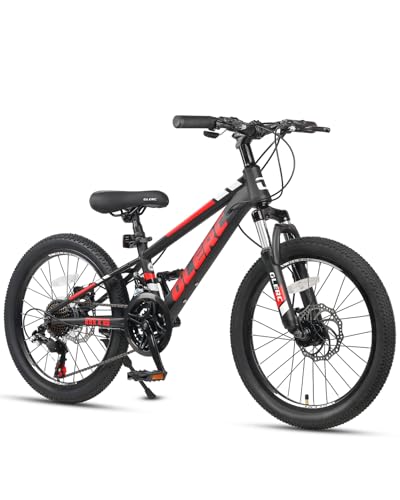
The Glerc 20 Inch Kids Bike is built to support early-offroad exploration with a high carbon steel frame that stands up to rough terrain. Its 21-speed drivetrain enables a wide range of speeds, helping riders learn cadence and gear control as they tackle hills or flat stretches. Front suspension helps dampen bumps, while the disc brakes deliver reliable stopping power in varied weather. This model suits children aged 6 to 10, providing a balanced mix of performance and safety for new riders venturing beyond smooth pavement.
Huffy Green Machine Drift Trike Review

The Huffy Green Machine Drift Trike focuses on high-velocity fun with dual-stick steering that empowers kids to execute turns, spins, and side drifts. LED lights under the seat and on the rear wheels add a visual wow factor for nighttime or dusk rides. Built with a sturdy steel frame, this drift trike supports riders up to 180 pounds, ensuring durability for growing kids who want longer-lasting riding experiences. This model suits older children who enjoy action-oriented riding and visual flair.
Minecraft 18-Inch Kids Bike Review

The Minecraft 18-Inch Bike provides a universal beginner-friendly design with a front caliper brake and a coaster brake, giving riders two braking options for better confidence on varied surfaces. Its 42”–53” height range accommodates many kids ages 6 to 9, making it a flexible choice as children grow. The distinctive creeper graphics offer a playful, recognizable look, turning simple rides into themed adventures while maintaining safety with a low standover height and straightforward gearing.
WEIZE 20 Inch Mountain Bike Review

The WEIZE 20 Inch Mountain Bike emphasizes a balance between safety and capability. Its high-carbon steel frame is designed for reliability, with a lower standover height to simplify mounting for younger riders. The 20″ tires offer a stable footprint, while the front and rear V-brakes provide predictable stopping power, even on damp or uneven surfaces. With 6 speeds and dual suspension, this bike supports beginners who want to explore light trails and dirt paths without sacrificing control.
JOYSTAR Gemsbok 20 Inch Review
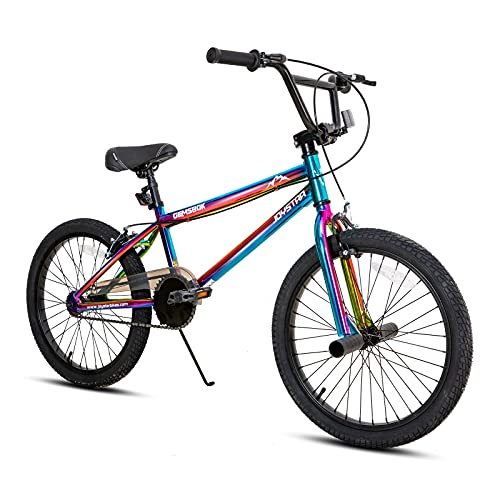
The JOYSTAR Gemsbok 20 Inch bike targets beginners who want a stylish BMX-inspired ride. Its hi-ten steel frame provides dependable support, ideal for children aged roughly 4’3″ to 5’4″. The single-speed drivetrain simplifies operation, while front and rear caliper brakes with hand-lever control deliver precise speed management. The gloss jelly coating and oil-slick colorway add visual appeal, making it a popular choice for kids who crave a street-ready, playful look.
Buying Guide: Key Purchase Considerations
Selecting a bike for a child involves evaluating safety, growth potential, and enjoyment. Consider frame material and weight to ensure easy handling; steel frames offer durability, while aluminum reduces overall weight. Braking systems matter: front caliper, rear coaster, or dual brakes each have safety implications for new riders. Gear ranges differ; more speeds help on hills but add complexity. Suspension is valuable for rough terrain but can complicate maintenance and increase weight. Wheel size should align with the child’s height and leg length for comfortable pedaling. Finally, assess adjustability: seat height, handlebar position, and overall scalability as the child grows.
In addition to core specs, look for bikes with user-friendly assembly and a reasonable maintenance plan. Training wheels or stability features can support younger riders, while adjustable seats help the bike “grow with” the child. Style and color are not just aesthetics; a bike that a child loves to ride is more likely to be used, which reinforces safety through regular practice. When comparing models, prioritize stability, braking responsiveness, and rider confidence over flashy features that may quickly become obsolete.
Versatility is another factor. Some bikes excel on pavement, some handle light trails, and others lean toward urban mobility with cool looks. If the child anticipates mixed riding environments, a model with reliable brakes, comfortable geometry, and durable construction will provide longer-lasting enjoyment. Finally, ensure proper sizing by verifying the recommended age, height, or inseam ranges against your child’s measurements, and consult product dimensions before purchasing to avoid misfit or safety concerns.