Best Wall Mats for Sensory Rooms
Creating a calm, engaging sensory space can help children regulate emotions and develop essential skills. The following wall mats and sensory panels are designed to offer varied textures, colors, and interactive features that support tactile exploration, concentration, and play. This guide highlights five strong options with durable construction and kid-friendly designs, helping caregivers choose mats that fit classroom and home environments alike.
The table below provides a quick snapshot of the five highlighted products, including the brand, core benefit, and a quick note on usage scenarios. Use it as a starting point to compare textures, modularity, and suitability for walls, floors, or both.
| Product | Brand | Core Benefit | Ideal Use |
|---|---|---|---|
| ODOXIA Sensory Mats for Autistic Children | ODOXIA | Multi-sensory textures and colors to stimulate and calm | Home or therapy room walls and floors |
| MOOZHEALTH Sensory Wall Panel Set | MOOZHEALTH | Dual sensory experience with replaceable pads | Wall installation in classrooms or play areas |
| Sensory Floor and Wall Mat – Sequin Flip | SENSORY4U | Interactive tactile and visual sequin play | Playrooms, classrooms, or bedrooms |
| HAHASOLE Sensory Wall Panel | HAHASOLE | Customizable textures with honeycomb layout | Sensory rooms and learning corners |
| Upgraded 16 Set Sensory Mats | Keculf | Rich multi-texture exploration for coordination and calm | Classrooms, homes, or daycares |
ODOXIA Sensory Mats for Autistic Children

These sensory mats offer a multi-sensory experience with diverse textures and vibrant colors to engage children. The design supports both play and relaxation, making it suitable for tactile exploration in a sensory room or classroom. The mats can help kids unwind through texture play, while also encouraging language development, problem-solving, and motor skill growth as they maneuver across different surfaces.
Key features include a focus on secure, interactive environments, stress management benefits, and opportunities for playful learning. Parents and educators can use these mats to create a calming corner or a dynamic play area where children practice fine and gross motor skills. Durability and ease of use are important considerations for frequent use in homes or clinical settings.
MOOZHEALTH Sensory Wall Panel Set

The MOOZHEALTH set emphasizes modularity and a dual sensory experience. With six replaceable textured mats and wooden hexagon boards, the system can be configured in many ways, allowing educators or caregivers to tailor the wall for circle time, centers, or a calming corner. The panels include seven textured pads with glitter fabric to support focus and tactile exploration while aiding fine motor development. Safe construction and discrete hanging loops help ensure secure installation in busy spaces.
Users should note the setup is designed to grow with a child, offering ongoing sensory input as preferences evolve. While durable and kid-friendly, surface cleaning is recommended rather than machine washing, and installation safety should be prioritized for younger children. Overall, this set balances engagement with a calming, organized sensory wall experience.
Sensory Floor And Wall Mat – Sequin Flip

This large sequin mat provides a tactile and visual sensory experience, offering a calming, therapeutic effect for both kids and adults. It is designed for interactive play on floors and walls, supporting engagement through texture and color changes. Included stencil shapes invite creative expression, helping with fine motor skills and hand-eye coordination while promoting sensory integration in diverse settings such as playrooms and classrooms.
The mat’s flip-sequin feature captures attention and can become a focal point for sensory breaks or guided activities. Care should be given to cleaning and storage, as sequins and fabric require gentle handling. The product blends well with other sensory tools to build a cohesive sensory environment that supports self-regulation and imaginative play.
HAHASOLE Sensory Wall Panel

The HAHASOLE set features a customizable sensory wall with a honeycomb texture layout. The 7-piece collection invites children to explore varied tactile experiences, from soft to rough to bumpy. The design supports creative play and interactive learning, enabling personalization with removable or rearrangeable panels. The materials emphasize safety, with rounded edges and durable construction designed for wall mounting or floor use. Velcro attachments help prevent slipping on smooth surfaces, ensuring a stable sensory setup in busy environments.
Educational benefits include promoting creativity, language development through guided play, and improved focus during transitions. While ideal for dedicated sensory rooms, the panels can also anchor larger learning corners in classrooms or living spaces, providing a modular, adaptable option for ongoing sensory exploration.
Upgraded 16 Set Sensory Mats
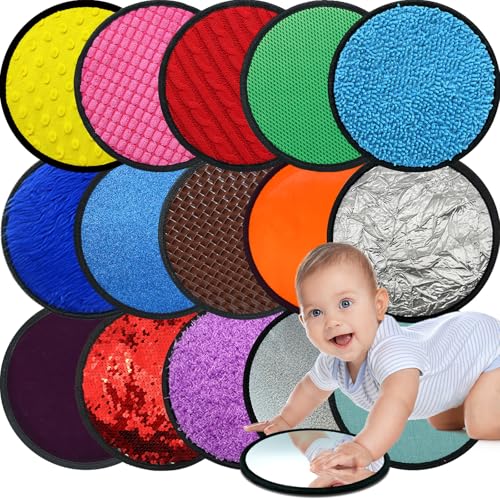
These mats offer a broad palette of textures and colors designed to inspire tactile exploration and multi-sensory play. The set enhances sensory development by engaging touch, balance, and spatial awareness, making it suitable for homes, classrooms, and therapy spaces. The mats are described as safe, skin-friendly, and portable, with a non-slip back for stable use on various surfaces. They are designed to be easily moved and stored, supporting flexible room layouts and ongoing sensory activities.
Possible considerations include cleaning requirements and durability under frequent use. The mix of textures supports anxiety reduction, focus, and coordination, and the product’s modular nature helps caregivers customize a sensory circuit that aligns with a child’s evolving needs.
Buying Guide: Key Purchase Considerations
- Texture variety: Look for mats with multiple textures (soft, rough, bumpy, squishy) to stimulate different tactile responses and support sensory integration goals.
- Durability and safety: Prioritize child-safe materials, rounded edges, and reinforced stitching. Check for age recommendations and wall- or floor-mount options that fit your space.
- Modularity: Consider sets that allow you to customize layouts, mix textures, and reconfigure for evolving needs, whether in a classroom or at home.
- Cleaning and maintenance: Some fabrics are machine washable, while others require spot cleaning. Plan for cleaning routines in busy environments like schools or clinics.
- Portability: If you need to move pieces between rooms or transport to therapy sessions, choose lighter mats with easy storage and assembly.
- Safety and stability: For wall panels, ensure secure mounting and non-slip backing. For floor mats, non-slip bottoms reduce the risk of sliding during play.
- Engagement and learning: Sequin flips, stencils, and colored textures can support language development, fine motor skills, and color/texture recognition.
- Space suitability: Evaluate whether a product is better suited to a dedicated sensory room, a classroom corner, or a multipurpose play area.
- Maintenance of aesthetic: Choose colors and designs that align with the room’s environment and the child’s preferences to encourage consistent use.
- Usage goals: Clarify whether the primary aim is calming, focus, social interaction, or motor development, and select mats that address those objectives.