Best Toys for New Walkers: Safe, Fun Options to Boost Confidence
Finding the right toys for new walkers means prioritizing safety, balance-building, and engaging activities. The following selections are designed to encourage crawling to standing and steady walking, while offering sensory play, motor development, and imaginative fun. Each option targets early walking skills with features that limit risk and support growth.
| Product | Brand | Key Benefit |
|---|---|---|
| VTech Sit-to-Stand Learning Walker (Blue) | VTech | Motor skills and musical exploration |
| Fisher-Price Corn Popper | Fisher-Price | Push-along motivation with ball-popping action |
| Fisher-Price Baby Push Toy Panda Walker | Fisher-Price | Beginner walker with interactive features |
| Radio Flyer Busy Buggy | Radio Flyer | Push, ride, and sensory activities |
| WoodenEdu Dog Pull-Along Toy | WoodenEdu | Encourages crawling and walking with a simple pull |
VTech Sit-to-Stand Learning Walker (Blue)
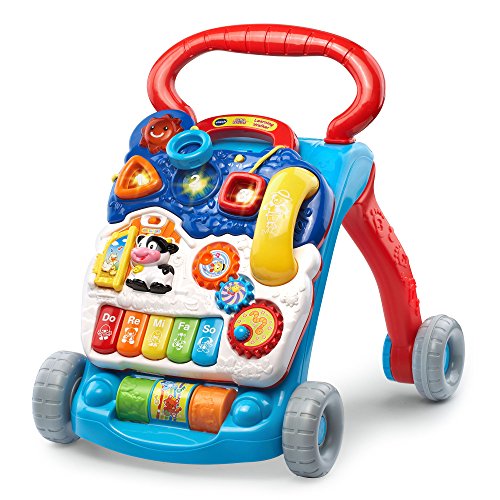
The VTech Sit-to-Stand Learning Walker blends mobility support with early-learning features. A removable tray makes it suitable for babies who can sit up, and reattaches for on-the-run activity on carpets or bare floors. The unit offers piano keys that play musical notes and a pretend telephone, encouraging creativity and role-play as children push along. The design emphasizes motor development with engaging elements like select shape sorters, light-up buttons, and colorful rollers to help refine coordination.
Fisher-Price Corn Popper
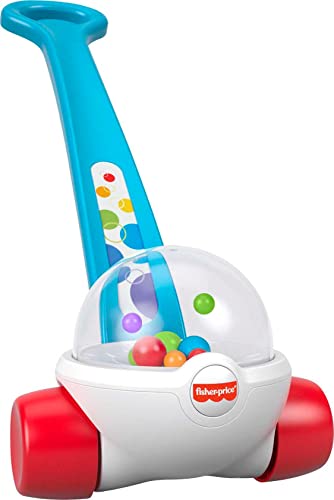
Fisher-Price’s classic Corn Popper is a push-along toy that delivers ball-popping action as the child moves. The popping sounds and motion encourage little ones to walk, stand, and explore balance in a fun, uncomplicated way. The design is simple, durable, and well-suited for early walkers who crave movement and auditory feedback without complex setups.
Fisher-Price Baby Push Toy Panda Walker

This panda-themed push walker grows with baby from sitting to pulling up and walking. It features steady-speed wheels to help maintain a slower, controlled pace for beginner walkers. With more than 100 songs, sounds, and phrases through three Smart Stages learning levels, it blends music, language, and motion to support early motor and cognitive development as little ones practice walking and balance.
Radio Flyer Busy Buggy Ride On Toy Car

Radio Flyer’s Busy Buggy provides 17 interactive activities designed to entertain and educate. The toy supports three modes of play: push walker, ride-on, and sensory exploration. It includes built-in storage and an anti-tip feature, helping young walkers build balance and confidence while transitioning between standing and cruising.
WoodenEdu Pull-Along Dog Toy

WoodenEdu’s wooden pull-along toy features a friendly dog design crafted from FSC-accredited wood. Sized for small hands, it’s non-toxic and developmentally appropriate for ages 1 and up. Pulling the toy can encourage crawling and early walking, providing a simple, tactile motivator for movement with a natural material focus.
Buying Guide: Key Purchase Considerations For New Walkers
When selecting toys for new walkers, consider the child’s current development stage, safety features, and the activity’s ability to promote walking goals. The following perspectives help buyers compare options and choose the best fit.
- Mobility support: Look for push-to-walk designs that offer stable handlebars or wide bases. Features like steady-speed wheels reduce the risk of trips and falls while allowing new walkers to practice balance control.
- Safety design: Prioritize broad, rounded edges, non-toxic finishes, and no loose small parts. Look for toys with closed wheels, limited steering angles, and anti-tip designs to minimize hazards during early crawls and walks.
- Learning integration: Toys that incorporate auditory, visual, and tactile elements can stimulate motor skills and cognitive development. Removable trays or interactive panels encourage independent play and exploration as the child learns to stand and move.
- Durability and materials: Durable plastics and wood with non-toxic finishes stand up to frequent use and potential chewing. Consider whether the toy is easy to clean, especially for little movers who may make contact with floors and carpets.
- Versatility over time: Toys that evolve with the child—from sitting to standing to walking—offer longer use. Look for multi-mode designs or items that transition from push-along to ride-on as confidence grows.
- Size and weight: Ensure the toy size suits toddlers around 10–36 months, with appropriate seat height, handle reach, and weight that a caregiver can manage for daily use and portability.
These products collectively provide a spectrum of options—from traditional push walkers and push-along toys to ride-on styles and pull-along figures. The right pick depends on the child’s pace, preferred activities, and the environment where the toy will be used most often, ensuring both safety and consistent walking practice.