Best Toys for Autism Spectrum Disorder: Calming and Engaging Options
Choosing toys for children on the autism spectrum involves prioritizing sensory engagement, focus support, and calm-down strategies. The following five products are selected for their variety in textures, sounds, visuals, and interactive elements that can help with attention, anxiety reduction, and social exploration. Each option offers safe materials, portability, and clear benefits for different ages and needs. This article provides a quick buying guide and objective details to help parents, caregivers, and educators compare features and suitability.
| Product | Brand | Main Benefit |
|---|---|---|
| Sensory Autism Toys for Kids – Textured Fidget Noodles | LESONG | Stretchy, glow-in-the-dark textures for tactile stimulation |
| Gigilli Sensory Activity Ball Board | Gigilli | 3D sphere with rotating strings for fine motor and calm focus |
| hand2mind Sensory Fidget Tubes | Learning Resources | Colorful tubes for self-regulation and quiet engagement |
| Calming Sensory Lights Ocean Projector | diatomiteco | Soothing visuals to support bedtime and focus |
| Joyreal AAC Device for Autism | Joyreal | Simple, programmable communication buttons for early speech and choice |
Sensory Autism Toys for Kids – Textured Noodles

LESONG’s Sensory Autism Toys pack features stretchy noodles with glow-in-the-dark effects and varied textures. Each string measures about 10.2 inches and can stretch up to 7.5 feet, providing an engaging tactile experience while supporting anxiety reduction. The set includes eight colors and textures designed to stimulate proprioception and fine motor control. Guidance notes advise supervising during use and avoiding contact with eyes or face. This option is ideal for toddlers through early elementary ages and can be used in classroom calm-down corners or at home during focused play sessions.
Gigilli Sensory Activity Ball Board
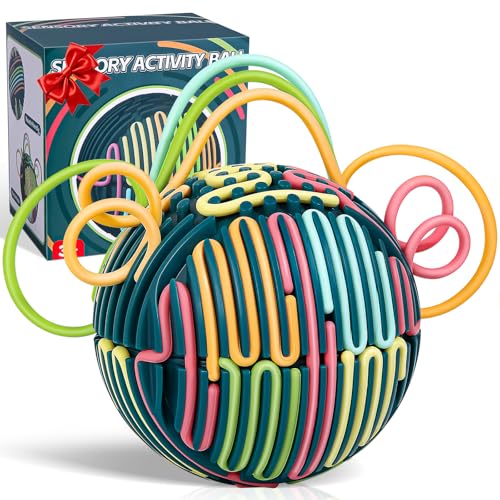
Gigilli’s Sensory Activity Ball Board is built around a 3D spherical shape with 4*6 non-toxic silicone strings. The design encourages pushing, peeling, winding, and bridging actions that promote fine motor skills, hand-eye coordination, bilateral coordination, and creative problem solving. Its dark green calming color supports anxiety relief, making it suitable for kids aged 5–12. The set includes a portable storage bag and is washable, enabling easy cleanup after play. It’s useful for classrooms, travel, and home use, offering a compact, mess-free sensory solution.
hand2mind Sensory Fidget Tubes
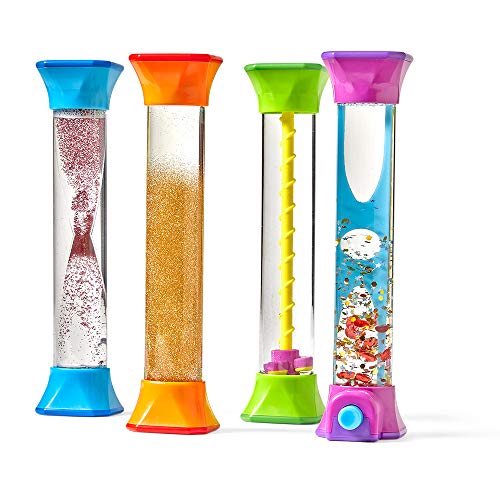
These Sensory Fidget Tubes from Learning Resources support social-emotional learning by helping children manage emotions, focus attention, and practice calm engagement. Each tube offers a unique design with interactive elements and color, creating long-lasting independent play. They are particularly useful in classroom calm-down corners or individual quiet time. The tubes encourage shaking, flipping, and exploring different textures, supporting self-regulation and structured, repetitive play that many children on the spectrum find soothing.
Calming Sensory Lights Ocean Projector

The Calming Sensory Lights Ocean Projector by diatomiteco projects water ripple patterns and sea-wave visuals onto walls and ceilings. USB-powered, it creates a serene environment that can aid sleep routines and focus during reading or tasks. The projector is designed for autistic children but can benefit a broad range of users seeking calming sensory input. The soft, continuous visuals serve as a gentle cue to relax and settle, supporting transitions between activities and reducing stimulus overload in busy environments.
Joyreal AAC Device for Autism

The Joyreal AAC Device offers 24 pre-installed talking buttons with picture cues, supporting quick, simple communication. Six programmable buttons allow users to record personalized phrases, while adjustable volume accommodates different listening environments. The device is lightweight and includes a storage bag for portability. This tool is particularly relevant for nonverbal individuals or those who benefit from quick, reliable expression during therapy sessions, classroom activities, or home routines. It promotes autonomy and reduces frustration by enabling clear requests and choices.
Buying Guide: Key Purchase Considerations
When selecting toys for autism spectrum disorder, consider how each option supports sensory processing, communication, and emotional regulation. Here are essential factors to weigh:
- Age and developmental level: Choose items that match the child’s motor skills, attention span, and cognitive abilities to ensure safe, meaningful use.
- Sensory needs: Decide between tactile (textures), visual (lights, patterns), auditory (soft sounds), and proprioceptive (pressure, resistance) stimuli based on preferences and sensory goals.
- Calming potential: Look for tools with proven calming effects, such as repetitive motion, gentle visuals, or predictable responses that help reduce anxiety or meltdowns.
- Portability and setup: For home, school, or travel, select items that are easy to transport, quick to assemble, and simple to clean.
- Durability and safety: Ensure materials are non-toxic, durable, and appropriate for the child’s handling and age. Check for choking hazards on small parts for younger children.
- Communication support: For nonverbal users, AAC devices or cue cards can improve day-to-day communication and independence.
- Clinical alignment: Consider tools that align with therapeutic goals such as fine motor development, executive function, or social-emotional learning, and consult caregivers or therapists when needed.
In practice, a mix of sensory, calming, and communication tools often yields the best outcomes. For example, pairing a tactile fidget pack with an ocean projector can address both fidget needs and bedtime routines, while an AAC device supports communication and reduces frustration during activities. Always observe the child’s responses and adjust usage to maintain engagement without overstimulation.