Best Therapeutic Toys for Kids: Top Picks for Anxiety, Focus, and Calm
Finding the right therapeutic toys for children can support emotional regulation, focus, and stress relief in both home and school settings. Below are five carefully chosen products that cover a range of needs—from sensory exploration and calming fidgets to conversation-based therapy and coping skills. The selection highlights safe materials, engaging formats, and practical use for kids with autism, ADHD, or anxiety, backed by classroom and therapy applications.
| Product | Brand | Key Benefit | Amazon Link |
|---|---|---|---|
| Scientoy Fidget Toy Set | Scientoy | Comprehensive sensory set for stress relief and focus | View |
| Feelings Tower Therapy Game | aesthec | Emotion expression and social skills through CBT prompts | View |
| Feelings Builder | TALKA Products | Anger management and emotional regulation via play | View |
| JOYIN Fidget Tubes 4-Pack | JOYIN | Calming sensory tubes for focus and self-regulation | View |
| Gigilli Sensory Activity Ball Board | Gigilli | All-round sensory development and fine motor skills | View |
Scientoy Fidget Toy Set
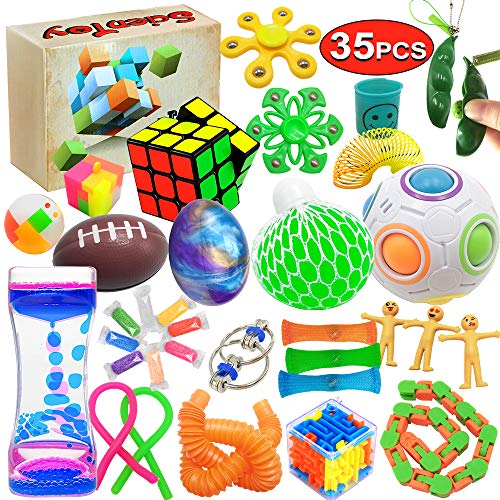
Scientoy’s 35-piece sensory toy set blends a wide range of fidget options, including kinetic and tactile items, designed to help with anxiety, ADHD, OCD, and stress relief. The kit includes a rainbow magic ball, a liquid motion timer, squeeze balls, maze puzzles, mesh and marble fidgets, foam putties, a pop tube, a squeeze foam football, and slime putty. Made from high-quality ABS and non-toxic materials, the toys meet safety standards and come in a gift-ready box, making it suitable for classroom rewards or home use. The assortment encourages squeezing, stretching, flipping, and other actions that can aid focus and calm in children and adults alike.
Feelings Tower Therapy Game

The Feelings Tower Therapy Game blends emotional education with a stacking mechanic. It includes more than 200 CBT-based questions focused on four core emotions—happiness, anger, sadness, and fear—designed to promote self-awareness, empathy, and emotional regulation. By combining physical play with guided conversations, it supports home, classroom, and counseling settings, helping kids and teens connect through meaningful dialogue while maintaining engagement and focus.
Feelings Builder
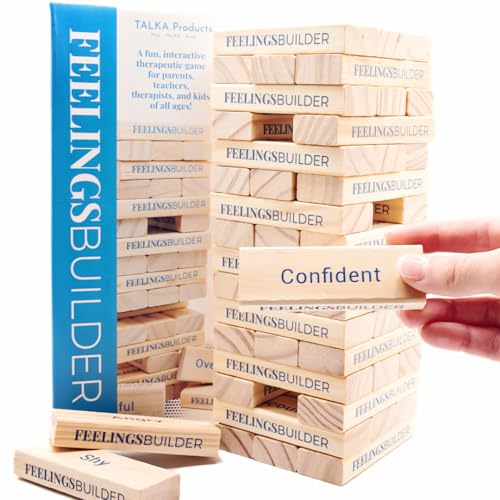
Feelings Builder is marketed as a therapy game suitable for kids, teens, and adults. It emphasizes anger management, anxiety reduction, and coping strategy development through a tangible tumbling-tower format. Therapists, teachers, and parents may use it in CBT-style sessions, classrooms, and homes to foster self-regulation and reflective dialogue, making it a versatile tool for addressing a spectrum of emotional challenges.
JOYIN Fidget Tubes 4-Pack

JOYIN’s 4-pack fidget tubes are designed for sensory engagement and calming effects. The set focuses on tactile stimulation, visual interest, and quiet engagement, making it suitable for home use, quiet corners in schools, and speech-therapy contexts. The tubes are intended to support children in navigating emotions, improving focus, and reducing upset during transitions or stressful moments.
Gigilli Sensory Activity Ball Board
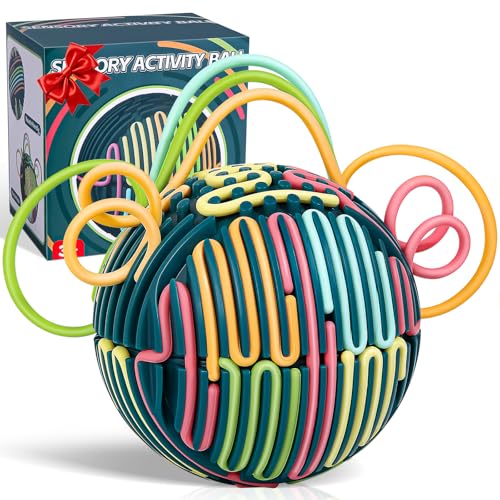
Gigilli’s Sensory Activity Ball Board offers a 3D spherical design with multiple silicone strings for tactile exploration. It supports fine motor development, hand-eye coordination, and bilateral coordination. The toy is portable, washable, and designed to be easy to store, making it suitable for travel, classrooms, and therapy sessions. It provides a calming, creative outlet to ease anxiety and encourage problem-solving in children with autism or ADHD.
Buying Guide
When selecting therapeutic toys for kids, consider how each item supports different aspects of development and emotional regulation. Key factors include safety and materials, age appropriateness, sensory and cognitive benefits, portability, and ease of integration into existing routines.
- Safety and materials: Look for non-toxic, BPA-free plastics, food-grade silicone, and products that meet recognized safety standards. Ensure there are no small parts that could pose choking hazards for younger children.
- Targeted benefits: Match the toy to desired outcomes—calming and sensory regulation (fidget tubes, squishy putties), social-emotional learning (emotion-focused games), or coping skills (CBT-based prompts, mindfulness aids).
- Age range and accessibility: Choose items appropriate for the child’s developmental level and consider options that can be used with minimal coaching, as well as those that support guidance from a therapist or teacher.
- Portability and setup: For classrooms and on-the-go use, prioritize compact, washable, and easy-to-clean designs. Gift-box packaging can facilitate distribution as rewards or incentives.
- Multisensory engagement: Toys that combine tactile, visual, and kinetic elements tend to support broader sensory processing needs and sustained engagement.
- Evidence-based use: Prefer tools backed by therapy practices (CBT prompts, emotion regulation games) and seek products that align with standard therapeutic approaches to maximize utility in clinical or educational settings.
- Maintenance and longevity: Consider durability and ease of cleaning, especially for items used by multiple children or in group settings.
In practice, combining several types of toys—sensory fidgets for calming, emotion-focused games for dialogue, and coping-skills tools for daily use—can offer a balanced approach. Always monitor reactions and customize a kit to the child’s preferences and needs, updating selections as progress occurs or new goals emerge.