Best Texting Phones for Kids: Safe, Fun, and Easy to Use
For parents seeking reliable ways to stay connected with children while encouraging responsible digital use, text-capable kids’ phones offer a balanced mix of safety features, learning tools, and simple communication. This guide highlights five top options designed for ages 5 and up, focusing on parental controls, kid-friendly interfaces, and durable designs. Each pick below supports talking or texting, plus kid-friendly features that help families stay connected without added stress.
Summary Table of Selected Products
| Product | Brand | Key Focus | Storage / Camera |
|---|---|---|---|
| PROGRACE Kids Smart Phone (Pink) | PROGRACE | Learning, Safe Talk & Text | 16GB + 32GB SD; 2MP / 13MP |
| PROGRACE Kids Smart Phone (Blue) | PROGRACE | Learning, Safe Talk & Text | 16GB + 32GB SD; 2MP / 13MP |
| UNERVER Kids Smart Phone (Blush) | UNERVER | Safe Calling & Education | 2MP / 10MP; 32GB Card |
| Bark Phone | Bark | Monitoring & Safety | Comprehensive safety features & plan options |
| Teracube Thrive Kids Phone | Teracube | Parental Controls & Safe Android | 64GB; Android OS |
PROGRACE Pink Kids Smart Phone

The PROGRACE pink model combines safe communication with education and entertainment. It supports talking and texting to keep kids connected with parents, while also serving as a learning tablet to spark curiosity and creativity. The 4.2″ IPS eye-protect display helps reduce eye strain during study and play. A dual-camera setup (2MP front, 13MP rear) enables selfies, video recording, and burst shooting with autofocus for clear memories. With 16GB built-in storage and a free 32GB SD card, children have room for photos, games, and learning content. The 3500mAh battery supports fast charging for long study sessions and daily use.
PROGRACE Blue Kids Smart Phone

The blue variant mirrors the pink model’s all-in-one approach: safe communication, education, and entertainment in one device. It features the same 4.2″ eye-protect display and dual cameras (2MP front / 13MP rear) to support selfies and video capture. The package expands storage with 16GB built-in plus a free 32GB SD card, and a 3500mAh polymer battery provides reliable daily usage. This option emphasizes accessibility for kids while keeping parental controls central to usage.
UNERVER Kids Smart Phone (Blush)
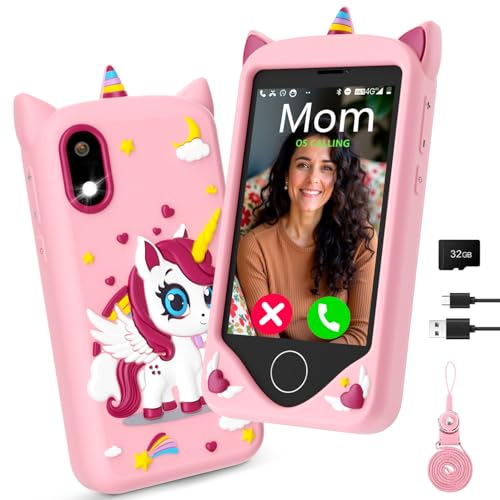
UNERVER offers a safe, age-appropriate smartphone experience with calling, texting, Bluetooth, and location tracking. The device is designed for 7–16-year-olds to ensure reliable connectivity across AT&T-compatible networks. It blends educational games, STEM apps, music, stories, and creative tools for balanced screen time. The 4.2″ IPS display with dual cameras (2MP front, 10MP rear) provides clear visuals for photos and videos, helping kids document moments while parents monitor usage and safety.
Bark Phone – Safe, Monitored Texting

Bark Phone highlights monitoring and safety features designed for older kids and teens. It focuses on proactive monitoring of texts, emails, and social media, with alerts for potential issues and a suite of parental controls. The service emphasizes app and contact approval, helping families control who a child can text or call. Activation involves selecting a suitable data plan to ensure the device remains a reliable lifeline for safety and communication.
Teracube Thrive Kids Phone

The Teracube Thrive blends Android access with strong parental controls and a focus on digital wellness. It includes built-in parental controls via the Thrive Parent app for iOS and Android, with time limits and content filtering to reduce distractions. The 64GB storage capacity supports a growing library of apps and learning content. A monthly plan is required for connectivity, making it suitable for families that want structured, opt-in data access and ongoing device management.
Buying Guide: Key Purchase Considerations
- Safety and Parental Controls: Look for devices offering remote management, time limits, app approvals, and content restrictions. A strong parental control suite helps tailor usage to a child’s age and maturity.
- Communication Features: Prioritize devices that support calling, texting, and basic messaging. Some models also enable location tracking, which can enhance safety for younger children.
- Display and Durability: A 4.2″ to 4.5″ screen is generally kid-friendly. Durable builds, kid-friendly grips, and protective cases help withstand daily use and accidental drops.
- Storage and Battery Life: Ample storage for photos, demos, and learning apps is important. A long-lasting battery supports longer study sessions and playtime away from chargers.
- Educational and Entertainment Value: Some devices bundle learning apps, STEM content, or kid-safe games. Consider whether these align with your child’s interests and school activities.
- Connectivity and Plans: Some devices require monthly plans for data or GPS features. Assess budget and whether Wi-Fi-only options suit your family’s needs.
- Privacy and Safety Features: GPS tracking and monitoring can be essential for safety but may raise privacy questions. Balance monitoring with appropriate trust and consent within the family.
- Age Appropriateness: Screens and apps should match the child’s age. Features like class mode or kid-friendly interfaces help reduce exposure to inappropriate content.
These considerations help families choose a texting-capable device that aligns with safety goals, educational aims, and daily routines. When selecting, compare how each model handles communication needs, parental control depth, battery endurance, and the potential ongoing costs of plans and services.