Best Starter Bikes for Toddlers: Safe, Fun Ways to Learn Riding
Choosing the right starter bike helps toddlers gain balance, confidence, and coordination while keeping safety in focus. The options below cater to early riders from ages 12 months to five years, featuring adjustable seats, stable frames, and kid-friendly designs. Each pick is designed to grow with your child, offering easy steering, lightweight construction, and engaging features that encourage active play. This guide highlights five top starter bikes that balance safety, usability, and long-term value for American families.
| Product | Brand | Age Range | Key Feature |
|---|---|---|---|
| KRIDDO Toddler Balance Bike | KRIDDO | 2-5 years | Customize plate with stickers |
| JMMD 6-in-1 Toddler Bike | JMMD | 18-60 months | 6-in-1 growth through multiple modes |
| SEREED Baby Balance Bike | SEREED | 12-24 months | 4-wheel, no-pedal indoor/outdoor design |
| Gotrax KS12 Balance Bike | Gotrax | 2+ years | LED lights and adjustable fit |
| Bobike Toddler Balance Bike | Bobike | 2-5 years | Adjustable seat and handlebar |
KRIDDO Toddler Balance Bike
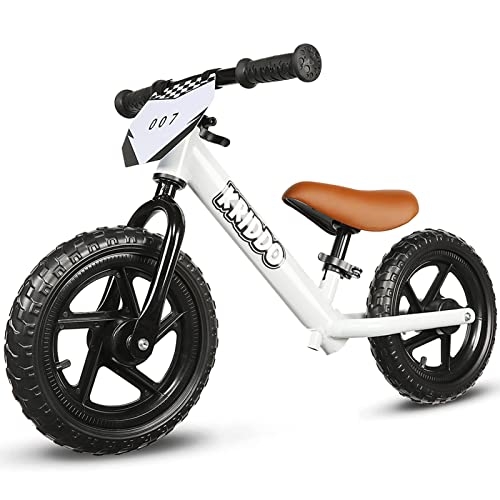
KRIDDO’s balance bike is designed for early riders to push, stand, and walk, building balance skills on a sturdy 12-inch frame. The bike targets ages 2 to 5 with a removable customizable plate for stickers and drawings, inviting creativity as kids learn to ride. Its wide carbon-steel frame supports up to 110 lbs, while soft-grip handlebars and a PU seat emphasize comfort and safety during practice sessions. The design emphasizes stability, helping toddlers transition from pushing to gliding with confidence.
JMMD 6-in-1 Toddler Bike

JMMD’s versatile 6-in-1 design grows with a child from 18 to 60 months. It transitions from a parent-push trike to a toddler tricycle, balance bike, and more, reducing the need to buy multiple bikes. A 135° adjustable parent push handle, height-adjustable seat, and 60° steering limiter enhance control and stability. The bike uses an aluminum frame, 12″ all-terrain wheels, a hand brake, and a chain-free drive for smoother, safer operation as little riders gain balance and confidence.
SEREED Baby Balance Bike
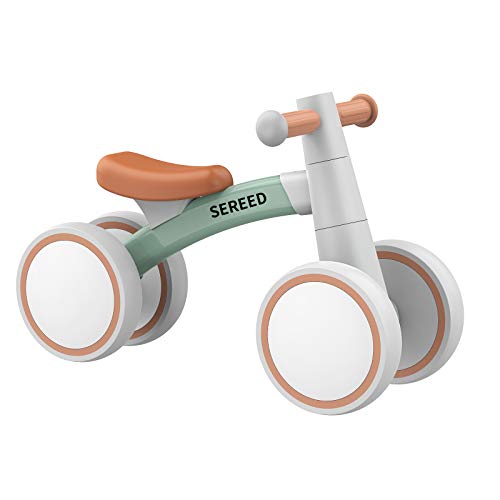
Designed for ages 12 to 24 months, SEREED’s four-wheel balance bike emphasizes safe, non-pedal learning. The fully widened wheelbase and 135° turning limit help prevent tipping, while a sturdy aluminum frame, non-slip TPU handlebars, and a soft seat offer comfort for both indoor and outdoor use. This model focuses on balance, coordination, and confidence-building, enabling toddlers to explore walking and riding in a controlled environment as their skills grow.
Gotrax KS12 Balance Bike

The Gotrax KS12 is tailored for toddlers ages 2 and up, combining balance practice with engaging LED lights for added visibility and appeal. It features adjustable seat and handlebar dimensions, a sturdy build with flat-free tires, a bell, and a thicker seat cushion. Parents can rely on a kid-friendly setup that accommodates growth and ensures a comfortable, stable ride for both indoor and outdoor play while learners master gliding, steering, and coordination.
Bobike Toddler Balance Bike

Bobike offers a durable balance bike with a carbon steel frame and adjustable seat and handlebars to accommodate growing kids. This model is designed to help 2- to 5-year-olds learn balance, walking, and early riding skills, with a straightforward assembly process and a focus on safety and durability. The bike’s construction emphasizes a stable ride that supports gradual progression from push to glide as little riders gain confidence on two wheels.
Buying Guide
- Age and growth: Look for bikes with adjustable seats and handlebars to accommodate a growing child. A model that transitions through multiple modes can provide long-term value.
- Weight and height limits: Choose a lightweight frame for easy handling, with a weight rating that matches your child’s current size and expected growth.
- Safety features: Prioritize non-pedal designs to reduce pedal-related injuries, wide wheelbases for stability, soft grips, and reliable brakes or brake-free designs as appropriate for the child’s age.
- Material and durability: Aluminum frames offer light weight and strength; carbon steel frames provide rigidity and longevity. Ensure wheels are non-slip and suitable for indoor/outdoor use.
- Maintenance: Simpler designs with fewer moving parts are easier to maintain. Check for easy assembly and tool-free adjustments when possible.
- Learning progression: A bike that encourages balance before pedaling helps children build confidence. Consider models with gentle steering limits and smooth, predictable handling.
- Budget and longevity: If possible, select a bike with growth features (adjustable dimensions, multi-mode layouts) to extend usability beyond a single phase of early riding.
- Safety gear: Pair the bike with appropriately sized helmet, knee and elbow pads to reduce injury risk during practice sessions.