Best Science Kits for 14 Year Olds: Hands-on STEM Fun
Exploring science with engaging kits helps 14-year-olds translate classroom ideas into real-world projects. This guide spotlights top science kits that balance challenge and creativity, fostering critical thinking and problem-solving without screens. Each pick aims to ignite curiosity, whether your teen is into engineering, chemistry, electronics, or earth science. Below is a quick snapshot of five standout kits, followed by in-depth sections and a buying guide to help you choose.
| Product | Brand |
|---|---|
| Smartivity DIY Robotic Mechanical Hand | Smartivity |
| National Geographic Amazing Chemistry Set | Blue Marble |
| Doctor Jupiter Girls’ Science Gift Set | Doctor Jupiter |
| STEM Solar Robot Kits | COBFDHA |
| National Geographic Earth Science Kit | Blue Marble |
Smartivity DIY Robotic Mechanical Hand

The Smartivity Mechanical Hand combines engineering with hands-on building. The step-by-step manual guides a 14-year-old through assembling a functional mechanical hand, reinforcing core STEM concepts like leverage, gear motion, and mechanism design. The kit emphasizes screen-free activity and promotes independent problem-solving as builders follow instructions to complete a fully operational model. Replacement parts are available, reducing downtime and supporting long-term play. This kit is well-suited for young innovators who enjoy tangibles and mechanical reasoning.
STEM Projects for Kids Build Your Own Bluetooth Speaker
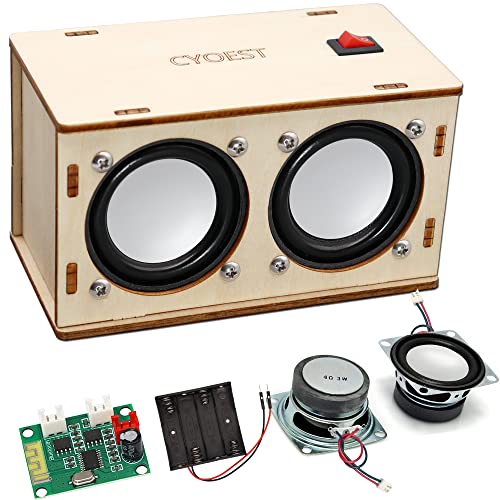
This beginner-to-intermediate electronics kit walks teens through electronics basics while constructing a Bluetooth speaker. It provides practical understanding of circuits, sound production, and component interaction. Clear safety guidelines and quality checks are included to ensure a smooth building experience. The project is versatile for teens who want a tangible gadget they can use or customize after assembly, combining hands-on learning with an audibly rewarding outcome.
Dan&Darci Crystal Growing Kit for Kids
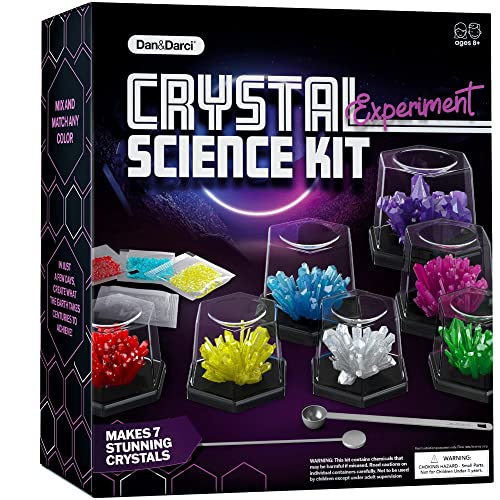
Crystal growth is a classic entry point to chemistry. This kit guides teens through creating seven colorful crystals with a detailed booklet that explains crystallization processes. It includes crystal seeds, powders, and growth cups, offering a visually engaging project that blends art and science. The set emphasizes observation, record-keeping, and color experiments, making it a solid option for learners who enjoy hands-on chemistry and visual results.
National Geographic Amazing Chemistry Set

With 100+ experiments and a focus on engaging chemistry concepts, this National Geographic kit provides a broad spectrum of activities, from crystal growth to color-changing reactions. The kit includes a comprehensive learning guide and safety-conscious components, making it a robust choice for teens who crave depth and variety in hands-on chemistry. Bonus experiments extend the exploration, encouraging continued curiosity beyond the initial set.
Doctor Jupiter Girls’ Science Gift Set

This gift set targets girls aged 8-14, combining science kits focused on electricity and other experiments. It offers varied, screen-free activities that foster critical thinking, problem-solving, and a lasting interest in STEM. The collection serves as a gateway to more advanced projects while maintaining accessibility for curious teens who appreciate hands-on challenges and themed discovery.
STEM Solar Robot Kits
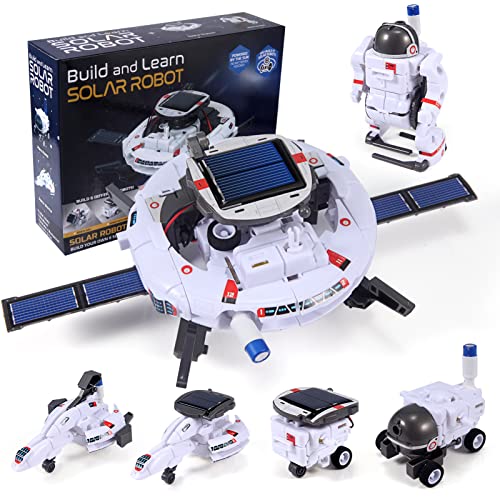
Solar-powered robotics kits introduce energy conversion and machine design. Teens can learn about solar panels, motor drives, and how sunlight translates into motion. The kit typically includes multiple robot configurations, encouraging experimentation with solar input versus battery power. This option is ideal for learners who enjoy engineering challenges, sustainability concepts, and hands-on build activities with real-world applicability.
Buying Guide: Key Purchase Considerations for 14-Year-Olds
- Skill level and complexity: Choose kits that match a teen’s current abilities while offering room to grow. Look for projects that progressively introduce concepts like circuitry, gears, or chemical reactions.
- Hands-on vs. theory balance: Some kits emphasize assembly and testing, while others pair experiments with explanations. A blend helps sustain interest and deepen understanding.
- Safety and age suitability: Review safety guidelines, especially for chemistry and electronics kits. Ensure all components are appropriate for teens and include protective instructions.
- Durability and replacement parts: Consider kits with sturdy parts and a clear path to replacement components, reducing frustration during builds.
- Project variety and reuse: Multi-activity sets or kits with expandable experiments offer longer-lasting value and continued engagement.
- Educational value: Look for guides that explain underlying concepts, not just steps. Full-color manuals or integrated Learning Guides enhance comprehension.
- Social and collaborative potential: Some kits work well for group projects, which can foster teamwork and discussion about scientific methods.
- Price and long-term use: Weigh upfront cost against how many independent or guided projects the kit supports over time.
How to Choose Between Kits
- Interest alignment: If the teen enjoys electronics, prioritize kits like Bluetooth Speaker or solar robotics. For aspiring chemists, chemistry-focused sets offer deeper insight.
- Simulation vs. real-world impact: Some kits simulate concepts, while others build tangible devices or experiments. Real-world applicability can boost motivation.
- Upgradability: Some options allow you to add components or expand with additional experiments, extending the kit’s usefulness over time.
- Teacher or parent involvement: Consider whether the teen benefits from guided steps or prefers independent exploration.