Best Piano for 10 Year Olds: Top Kid-Friendly Keys and Learning Tools
Choosing the right starter piano for a 10-year-old involves combining kid-friendly design with educational features. Below are five well-suited options that balance playfulness, portability, and learning potential. The table summarizes key details to compare at a glance.
| Product | Brand | Key Feature | Power Option |
|---|---|---|---|
| Kids Keyboard Piano | Pitowl | DC 5V or 4×AA batteries | |
| Taylor Swift Songbook | Hal Leonard | Stand-alone book | |
| 37 Key Upgrade Piano | M SANMERSEN | Battery or power option not specified | |
| HAPPYPOP Piano Socks | HAPPYPOP | One-size kids socks | |
| Accelerated Piano Adventures Theory Book 1 | Faber Piano Adventures | Book only |
Kids Keyboard Piano: 61 Keys With LED Teaching

The Pitowl Kids Keyboard Piano is designed for children ages 3 to 10. It features a 61-key keyboard with an LED teaching system that lights up to guide finger placement and melodies. The standard 1.5 cm key width supports proper hand positioning as beginners learn to play simple tunes such as Twinkle Twinkle Little Star. A foldable, portable design makes it suitable for living rooms or travel. In addition to teaching aids, the instrument includes dual stereo speakers, 100 instrument tones, 100 rhythms, 70 demo songs, and an LCD screen to show real-time status. It also supports recording and playback, which helps track progress over time. Safety is prioritized with eco-friendly materials and rounded edges. Power options include DC 5V or four AA batteries, enabling use anywhere, from home to camping trips.
Key features to consider: LED guided learning helps younger players build muscle memory; a broad range of sounds and rhythms can keep a child engaged; a built-in microphone and audio jack expand learning opportunities; the foldable design supports compact storage when not in use.
Taylor Swift Songbook: Easy Piano For Beginners

The Taylor Swift Super Easy Songbook offers 30 simplified pop hits arranged for beginner piano players. With 64 pages, this instructional book provides easy-to-play versions of popular songs, making it a practical companion for young learners who want upbeat, recognizable tunes. While not an electronic keyboard itself, pairing the book with a compatible beginner piano or keyboard can foster regular practice, reinforce sight-reading, and help students build confidence as they transition from simple melodies to more complex pieces.
Considerations include the learner’s reading level, interest in pop repertoire, and whether the child benefits most from guided practice visuals or traditional sheet music layout. The book is suitable for teachers and parents guiding self-directed practice sessions and can be used alongside any 61-key or larger keyboard setup.
37 Key Upgrade Keyboard For Kids

The 37 Key Upgrade Piano Keyboard is designed for young learners, featuring a wood-grain key design and dual speakers to deliver clearer, more piano-like sound. It includes a Record & Playback function, allowing children to record their own performances and listen back. The keyboard emphasizes beginner-friendly features such as simple chord functions and built-in musical demonstrations, rhythms, tones, and animal sounds to keep practice engaging. It’s suitable for 3- to 8-year-olds and up, serving as an approachable entry point for early music education.
Highlights to weigh include the tactile feel of the keys, the quality of built-in rhythms and tones, and the reliability of the playback function for progress tracking. Parents should assess whether the designed age range aligns with their child’s current motor skills and interest in playing with others or solo practice.
HAPPYPOP Piano Gifts For Pianists

HAPPYPOP offers piano-themed socks that make a playful, non-traditional gift for young musicians. Designed for ages 10 to 12, these socks feature a lighthearted message—“I’d Rather Be Playing Piano”—and arrive in a dedicated gift box. While not a learning tool, such accessories can celebrate milestones, encourage regular practice through positive reinforcement, and complement a broader learning setup. They are a practical option for birthdays, recitals, or end-of-term gifts to motivate young pianists.
Prospective buyers should consider how fashion or novelty items fit into a child’s motivation and whether the item should accompany educational tools rather than replace them. The socks pair well with beginner instruments or practice spaces to create a fun, supportive learning environment.
Accelerated Piano Adventures Theory Book 1
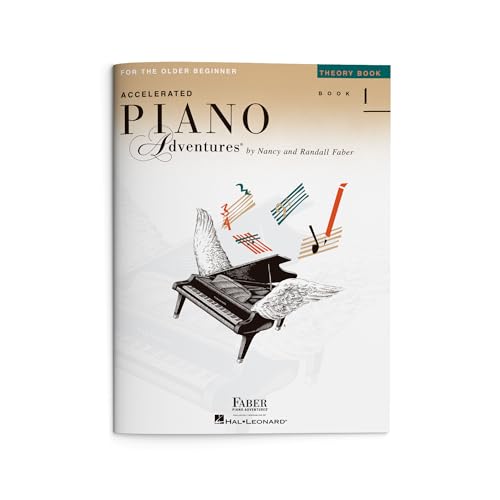
The Accelerated Piano Adventures Theory Book 1 provides beginner to early-intermediate theory practice, specifically crafted for older students. Though it is a theory book and not an instrument itself, pairing it with a suitable keyboard or piano helps students connect theoretical concepts to practical playing. The book covers fundamental music notation, scales, chords, and rhythm concepts in an approachable format designed to support independent study and classroom work. It is a solid choice for parents or teachers aiming to reinforce music theory alongside hands-on keyboard practice.
Considerations include the learner’s current theory knowledge, the desired balance between reading music and playing by ear, and how the theory materials will integrate with daily practice routines. This resource is best used as a structured supplement to a compatible instrument in a homeschooling or classroom setting.
Buying Guide: Key Purchase Considerations
- Age and skill level: Choose instruments that match the child’s current finger dexterity and interest. For early beginners, 61-key or 32-key keyboards with learning aids work well, while older, more advanced learners may benefit from features like record/playback, multiple tones, and built-in rhythms.
- Learning features: LED guidance, light-up keys, built-in lessons, and demo songs help with steady progression. Consider whether the child benefits from a musical repertoire that includes pop favorites or classical pieces.
- Portability and space: For family rooms or travel, consider compact, foldable, or battery-powered options. A stable stand and a durable carrying case can enhance usability for children moving between practice spaces.
- Sound quality and speakers: Dual speakers and realistic tone options improve the playing experience and motivation to practice. A headphone jack is useful for quiet practice without disturbing others.
- Durability and safety: Look for rounded edges, non-toxic materials, and child-friendly construction. Battery-powered units offer flexibility, but ensure safe battery access and storage.
- Future growth: If the child shows sustained interest, select devices with more keys, wider range of instrument sounds, and recording capabilities that scale with their developing skills.
- Learning resources: Supplementary books and songbooks expand repertoire and reinforce music theory. Align these resources with the child’s preferred genres and teacher guidance where applicable.
- Budget balance: Basic keyboards with LED guides are cost-effective and ideal for beginners, while advanced models with extensive features may be worthwhile as a long-term investment in musical development.
Across these options, families can tailor a beginner-friendly setup that maintains engagement and fosters consistent practice. The blend of interactive learning tools, kid-safe design, and age-appropriate repertoire helps create a productive and enjoyable path into the world of piano for a 10-year-old learner.