Best Paleontologist Toys for Kids: Top Dino Dig Kits and Fossil Fun
Paleontology-inspired toys spark curiosity in young minds, turning playtime into a hands-on science experience. The following selections feature excavation tools, replica fossils, and kid-friendly building sets that align with real-world digging and discovery. Each pick encourages observation, critical thinking, and early STEM skills while delivering engaging, age-appropriate adventures for future scientists.
| Product | Brand | Type | Key Benefit |
|---|---|---|---|
| NATIONAL GEOGRAPHIC Dino Fossil Dig Kit & Dinosaur Book | Blue Marble | Dig Kit + Book | Authentic T. rex tooth replica and full-color activity book |
| NATIONAL GEOGRAPHIC Jumbo Dinosaur Egg Dig Kit | Blue Marble | Egg Dig Kit | Excavate 12 dinos plus a replica T. Rex tooth inside a giant egg |
| Discovery™ Dinosaur Fossil Dig Kit | Discovery | Dig Kit | Two dinosaur skeletons with real fossil clues |
| Dan&Darci Real Fossil Dig Kit | Dan&Darci | Dig Kit | 12 genuine fossils with an illustrated learning guide |
| Discovery Colossal Fossil Dig Set | Discovery | Archaeology Kit | 15-piece excavation with real fossils and STEM activity |
The selections below center on hands-on digging experiences, realistic tools, and credible science information, ensuring kids learn while they explore and play. Each product section includes a concise overview, imagery, and practical details drawn from the listed features.
National Geographic Dino Fossil Dig Kit With Book
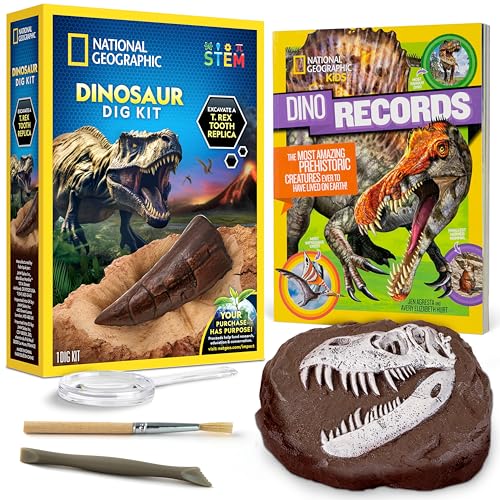
The National Geographic Dino Fossil Dig Kit combines a tactile excavation experience with educational content. Inside the dig brick, a T. rex tooth replica provides a tangible connection to real fossil evidence, while the companion full-color dinosaur activity book offers context about fossil discoveries and prehistoric life. Child-friendly dig tools mirror professional field gear, helping kids excavate like a true paleontologist. This kit supports early scientific literacy as youngsters record findings and compare the fossil with reference notes in the book.
National Geographic Jumbo Dinosaur Egg Dig Kit

This jumbo egg dig kit offers a dramatic unearthing experience. The oversized brick makes the digging process exciting, and the kit includes 12 dinosaur figurines alongside a replica T. rex tooth. The variability of the finds keeps kids motivated to discover and catalog their dinos, while the large egg form adds a memorable storytelling element to the unboxing and excavation routine.
Discovery Dinosaur Fossil Dig Kit
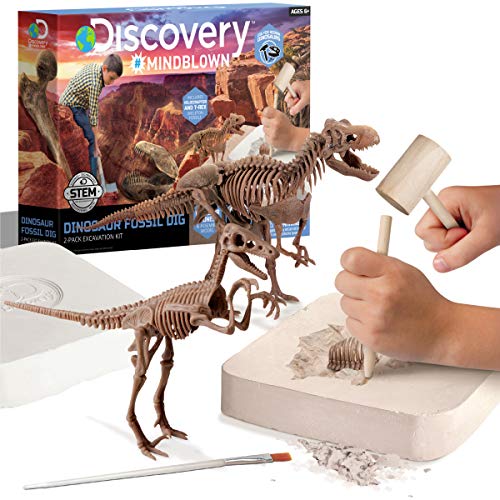
Discovery’s Dinosaur Fossil Dig Kit emphasizes a constructive, puzzle-like approach. Excavate two dinosaur skeletons—T-Rex and Velociraptor—from clay bricks and assemble them as 3D models. The kit includes real digging tools, safety gear, and a detailed instruction guide. This setup supports practical hands-on learning, encouraging children to observe bone structure, fit pieces together, and reflect on how paleontologists interpret fossil evidence from dig sites.
Dan&Darci Real Fossil Dig Kit

Dan&Darci’s kit focuses on authenticity and comprehensive learning. Kids excavate 12 genuine fossils and consult an illustrated guide that explains each specimen’s history. The included paleontologist-approved tools—wooden mallet, chisel, brush, and magnifying glass—support deeper exploration and careful fossil removal. The kit encourages hypothesis testing and fossil identification, making it a strong classroom- or home-learning resource for aspiring scientists.
Dig Up Dinosaur Fossil Eggs

This egg-dig experience combines tactile digging with educational content. The set includes 12 dinosaur cards that describe each species, enabling cross-curricular learning about paleobiology and natural history. Kids can dig directly or soak the eggs in water for an easier reveal, which can accommodate different skill levels or patience. The dual approach supports engagement and keeps the exploration dynamic and varied.
National Geographic Light Up Terrarium Kit

The Light Up Terrarium Kit shifts the focus to a fossil-friendly habitat project. Kids grow a mini indoor garden inside a clear terrarium, complete with a dinosaur-themed backdrop. The wide-mouth design makes assembly easier, and the USB-powered lid provides illumination for nighttime observation. This option blends paleontology with ecology, illustrating how ancient ecosystems operated and how modern environments can mirror prehistoric landscapes.
Discovery Colossal Fossil Dig Set
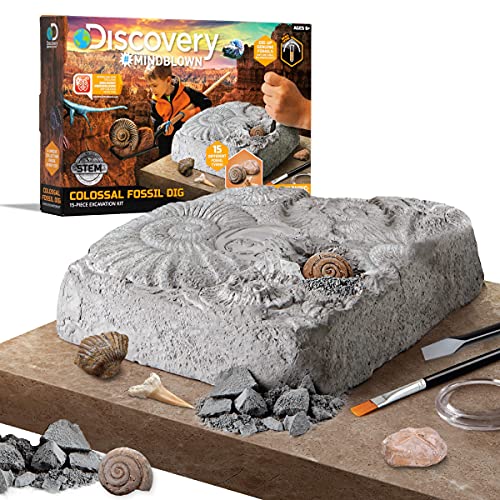
The Colossal Fossil Dig Set offers diverse fossils in a single package, including gastropods, brachiopods, and shark teeth. This variety encourages kids to compare fossil types, infer ecological roles, and learn about geological time. The included digging tools, an instruction guide, and the possibility of group activities help foster collaborative problem solving and peer-led exploration in both home and classroom settings.
Buying Guide
When choosing paleontologist toys for kids, consider these factors to maximize learning and engagement:
- Age appropriateness and safety: Look for age guidance and child-safe tools. Smaller parts may require supervision for younger children.
- Educational value: Seek kits that pair hands-on digging with science facts, fossil history, and opportunities for hypothesis testing or data recording.
- Tool realism vs. accessibility: Some kits use professional-grade tools for authenticity, while others emphasize easier digging to sustain interest.
- Variety and replay value: Kits that offer multiple fossils, puzzles, or building elements provide longer-lasting play and learning.
- Storage and mess management: Consider kits with organized containers and manageable mess levels, especially for indoor play.
- Expansion potential: Some sets integrate with books or additional kits, enabling a broader paleontology learning path.
For caregivers, it’s helpful to rotate between digging-centric sets, reading materials, and habitat-building activities to reinforce concepts from multiple angles. Combining a fossil dig with a related book or a terrarium project can deepen understanding of prehistoric life and ecological context. Evaluate your child’s interest—whether they prefer excavation, assembly, or observational learning—and pick a set that aligns with their strengths while gradually introducing more complex concepts.