Best Musical Toys for Toddlers 1-3: Engaging Learning Toys
Discover top-rated musical toys that captivate 1- to 3-year-olds while supporting early learning. This guide highlights five interactive options that promote rhythm, fine motor skills, and sensory exploration. Each pick combines engaging sounds, bright visuals, and safe designs, helping toddlers explore music, cause-and-effect, and coordination in a playfully educational way.
| Product | Brand | Key Benefit |
|---|---|---|
| 3 in 1 Piano Keyboard Xylophone Drum Set | AugToy | Multifunctional learning with noise-control features |
| Magic Touch Piano Wooden Toy | Baby Einstein | Touch-activated melodies and color-moded learning sheets |
| Pop Up Animal Sound Toy | Hieoby | Cause-and-effect with music, lights, and hands-on play |
| Bluey Music Player | eKids | Built-in melodies and kid-friendly themes |
| 9 in 1 Wooden Instrument Set | ZJEFUNS | Variety of instruments for exploration and rhythm |
All five selections are designed for toddlers ages 1 to 3, with safety-focused materials and age-appropriate features. The following sections offer brief overviews of each toy, followed by a practical buying guide to help parents choose the best fit for their child’s interests and developmental stage.
AugToy 3 in 1 Piano Keyboard Xylophone Drum Set
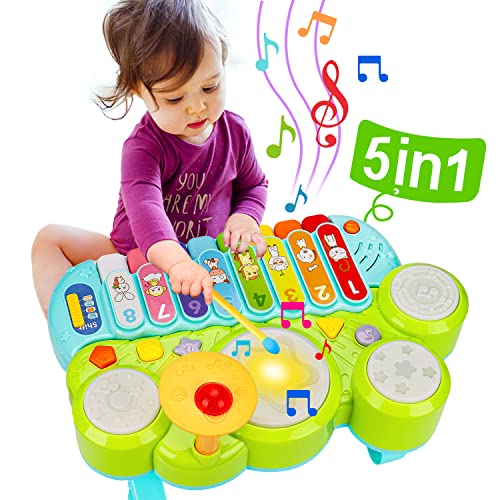
This multifunctional toddler toy blends piano keys, a drum set, and a xylophone into one compact setup. When kids strike the drums or keys, they hear pleasant sounds and see flashing lights, creating an engaging multisensory experience. The toy supports early numeracy, color recognition, and animal or object associations through its varied modes, aiding eye-hand coordination and motor development. A volume control helps keep noise at family-friendly levels, and the design emphasizes a friendly, approachable look to attract both boys and girls.
Baby Einstein and Hape Magic Touch Piano
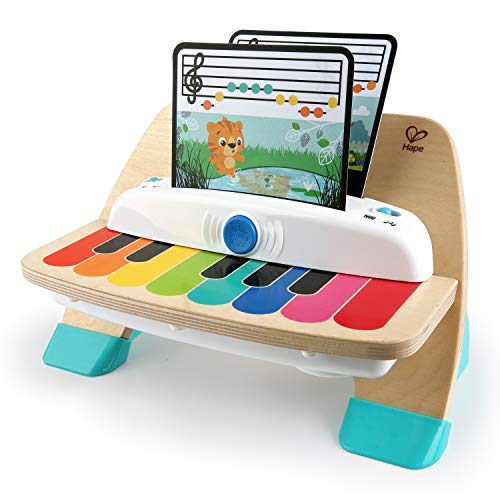
Designed for babies starting around six months, this wooden piano invites hands-on discovery. The touch-activated keys produce music without loud noises, supporting early auditory development. Included color-coded sheets with simple notes align with Montessori-inspired play, helping children practice color matching and rhythm recognition. With two play modes—original songs and familiar tunes—this toy encourages creative exploration and helps establish a basic understanding of musical structure. Volume control ensures adaptable use in small living spaces.
Hieoby Interactive Pop Up Animal Music Toy

This cause-and-effect toy features five cute animal characters and five colorful buttons. Babies trigger actions that cause animals to pop up, building fine motor skills and problem-solving abilities. Three play modes—Quiet (no batteries), Learning (color-matched animal sounds), and Game with Music & Light—encourage experimentation with cause and effect. The toy supports early color recognition, animal knowledge, and auditory processing, making it a standout Montessori-inspired option for 12- to 18-month-olds and beyond.
eKids Bluey Toy Music Player

Inspired by the Bluey series, this toddler-friendly music player brings familiar characters and built-in songs into play. In Music Mode, kids can sing along to kid-friendly tunes, while Game Mode offers an interactive dance experience as melodies pause and resume with movement. The toy’s visuals and audio are tailored to preschoolers, supporting early language development, rhythm recognition, and family engagement during music time.
MR.TN Kids Musical Floor Piano Mat

This music mat invites children to move across keys and make sounds with each step. Featuring 25 built-in sounds and two play modes—Random Play and One-Key-One-Note—this mat supports gross motor development, rhythm exploration, and early music theory through active participation. The non-woven fabric is designed to be durable, non-toxic, and easy to clean, making it suitable for toddlers who like to crawl, jump, and dance to the beat.
M SANMERSEN Floor Piano Mat

Another foldable floor piano option, this mat features eight piano keys and animal sounds with a mode-switching button. It offers adjustable volume and flashing lights to captivate toddlers during both quiet and active play. Constructed from soft, non-toxic fabric, it’s designed for safe exploration by children around ages 1 to 3. The mat’s portability makes it easy to use at home or while traveling, providing a reliable tool for developing listening skills and rhythm through movement.
Buying Guide: Key Purchase Considerations
- Age appropriateness: Ensure the toy aligns with the child’s current developmental stage (12–36 months is common for these picks).
- Safety and materials: Look for non-toxic, BPA-free materials, rounded edges, and durable construction suitable for rough toddler use.
- Auditory features: Consider volume controls and sound quality to match household noise levels and the child’s sensitivity.
- Interactivity: Choose toys with multiple play modes or modes that support cause-and-effect learning, music exploration, and fine motor skills.
- Portability and storage: Foldable mats and compact instruments reduce clutter and ease travel or storage in small spaces.
- Educational value: Prioritize items that promote rhythm, color recognition, and early math or language concepts through music.
- Durability and cleanliness: Materials should withstand frequent use and be easy to clean, especially for mess-prone ages.
When selecting, consider the child’s interests—piano play, animal sounds, or character-themed toys—and balance cognitive benefits with active, joyful play. These five options offer a spectrum of play styles, from instrument-focused sets to interactive mats, ensuring a relevant pick for most toddlers learning to explore music.
Additional Considerations
- Noise tolerance: Some families prefer quieter toys for apartment living; look for models with adjustable volume or silent modes.
- Multisensory engagement: Toys with lights, textures, and movement can boost sensory integration and engagement.
- Parent involvement: Choose toys that encourage joint play, promoting bonding and social learning during music time.