Best Magnet Sets for Science: Hands-on STEM Kits for Young Explorers
Magnet sets are a staple in classroom and home science, helping kids explore magnetism, fields, and basic physics through interactive experiments. This guide highlights five top magnet kits that provide engaging activities, clear instructions, and varied magnet types to foster curiosity. Each option supports STEAM learning with hands-on exploration, making it easier to observe attraction, repulsion, and magnetic fields in action.
| Product | Brand | Type Of Activities | Key Benefit |
|---|---|---|---|
| Thames & Kosmos Magnetic Science | Thames & Kosmos | 33 experiments; magnetic fields; poles | Extensive exploration with a full-color manual |
| Sntieecr Labs Junior Science Magnetism Set | Sntieecr | 14-piece starter magnets; basic physics | Great entry point for beginners |
| EXBEPE Large Science Lab Magnet Kit | EXBEPE | 53 items; electromagnetism; levitation | Comprehensive physics-focused collection |
| Learning Resources STEM Explorers Magnet Movers | Learning Resources | 10 experiments; sensory and fine motor play | Classroom-friendly and versatile |
| 4M Magnet Science Kit | Toysmith | 10 experiments; building projects | Playful projects with moving magnetic ideas |
Thames & Kosmos Magnetic Science Kit
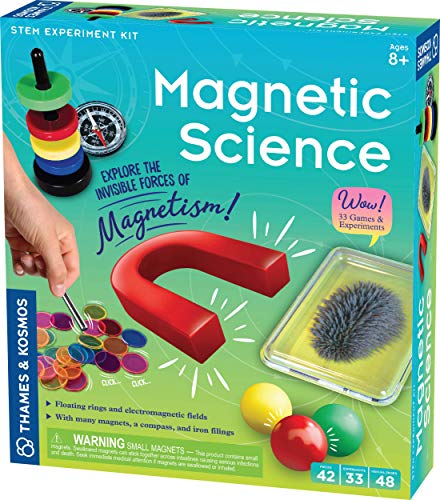
The Thames & Kosmos Magnetic Science kit includes 33 engaging experiments and games, enabling exploration with magnets of various shapes and sizes. A core feature is making invisible magnetic fields visible through guided activities and demonstrations, helping students grasp how poles and fields interact in real-world contexts.
Sntieecr Labs Junior Magnetism Set

This starter magnet kit from Sntieecr provides 14 pieces, including bar and U-shape magnets, along with accessories for simple physics experiments. It emphasizes practical understanding of magnetism and earth science through approachable activities designed for beginners and early learners.
EXBEPE Large Science Lab Magnet Kit

This extensive kit from EXBEPE includes 53 items, covering a broad range of magnetism and electromagnetism experiments. With horseshoe magnets, large bar magnets, an electromagnet, a variety of magnets, wiring, and a battery box, it supports step-by-step projects from simple to more advanced physics demonstrations.
Learning Resources STEM Explorers Magnet Movers

Learning Resources Magnet Movers introduces magnetism through hands-on activities that develop critical thinking and fine motor skills. The kit includes 10 experiments cards with guided activities, offering structured exploration while encouraging curiosity and extended engagement in magnet-related science topics.
4M Magnet Science Kit
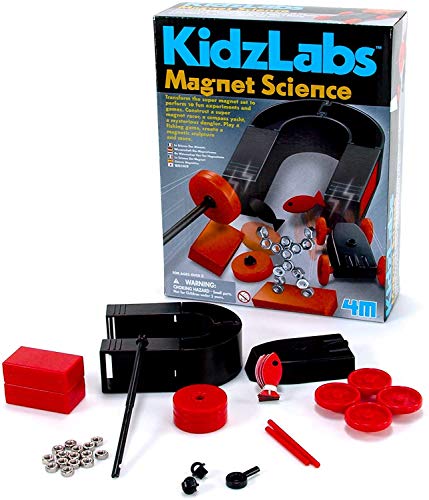
The 4M Magnet Science Kit combines magnetic experiments and builds activities to help children understand magnetism through interactive projects. Includes options like a magnet-powered racer, a magnetic yacht, and other engaging demonstrations that illustrate attraction, repulsion, and magnetic forces in action.
Buying Guide: Key Considerations For Selecting a Magnet Set
- Educational scope: Look for kits that cover a range of concepts—from basic magnetism and magnetic fields to electromagnetism and simple circuits. More comprehensive sets tend to support ongoing exploration across a curriculum or learning path.
- Age and safety: Choose age-appropriate kits with sturdy magnets and clearly labeled parts. Begin with beginner-friendly sets to build confidence, then progress to more complex kits as skills grow.
- Materials and durability: A mix of bar, ring, horseshoe, and U-shaped magnets provides varied experiences. Ensure the magnets are securely housed and that smaller parts are not a choking risk for younger children.
- Instruction quality: Clear, step-by-step guides or experiment cards help educators and parents guide activities. Colorful manuals and illustrated diagrams improve comprehension for visual learners.
- Hands-on vs. guided learning: Some kits emphasize open-ended exploration, while others provide structured experiments. A blend of both supports creativity and methodical investigation.
- Expansion potential: Consider sets that allow adding accessories or combining with other kits for broader experimentation, enabling long-term use beyond initial experiments.
- Storage and organization: Look for kits with organized containers or cases to keep magnets, filings, and accessories accessible and safe between sessions.
- Compatibility with classroom or homeschool setups: If using in a group setting, choose larger kits or options with multiple activity cards to facilitate collaborative learning.