Best Learning Tablets for Toddlers Age 2: Engaging, Educational Digital Toys
Choosing a learning tablet for a 2-year-old involves balancing safety, screen time, and developmental benefits. The right device offers age-appropriate content, durable construction, and parental controls to support early literacy, language, and fine motor skills. Below are five carefully selected tablets that fit the wants and needs of families with toddlers around age two, each with distinct features like multilingual options, interactive modes, and robust educational apps.
| Product | Brand | Key Feature |
|---|---|---|
| Peacurh Trilingual Learning Toy Tablet | Peacurh | Trilingual (English, Spanish, French) with reading, sounds, and 4 play modes |
| hahaland 5-Language Learning Tablet | hahaland | 90+ modules, multilingual with 5 languages, screen-free mode |
| Qiaojoy Kids Learning Tablet | Qiaojoy | Bilingual English/Spanish, 5 learning modes, interactive cards |
| BEST LEARNING Touch & Learn Tablet | BEST LEARNING | Two modes, four activities, music and light prompts |
| Trayoo Kids Tablet 7 | Trayoo | Parental controls, offline learning resources, Google Play access |
The following sections highlight five suitable options, each with a concise overview of why it fits two-year-olds, how it supports early learning, and what to consider when buying.
Peacurh Trilingual Learning Toy Tablet

The Peacurh tablet provides a broad range of themes, including Alphabet, Shapes, Colors, Numbers, Animals, Vehicles, Instruments, and Fruits. It’s a trilingual device in English, Spanish, and French, with 39 icons that read words aloud and produce corresponding sounds. Four modes support diverse activities: Learning, Quiz, Music, and Pretend Play. The device mirrors a tablet interface with icons like phone and camera, which helps toddlers engage in role play while building vocabulary, listening, and pronunciation skills. It’s designed for ages 12–36 months and up, emphasizing cognitive development and motor skills through interactive play.
LeapFrog LeapPad Academy Kids’ Learning Tablet
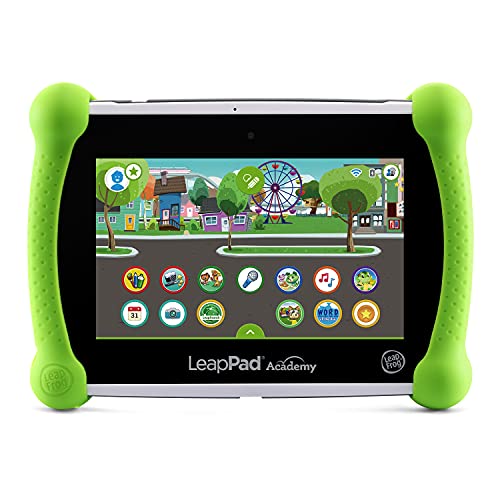
The LeapPad Academy is a kid-friendly Android tablet designed with early learning in mind. It includes 20 educational apps and creativity tools curated by LeapFrog’s education experts. The device features LeapSearch, a kid-friendly browser, and a free three-month LeapFrog Academy trial to guide children through a structured learning journey. This option emphasizes guided exploration, reading readiness, and foundational math and science concepts while maintaining child-safe browsing and content controls for parents.
Amazon Fire 7 Kids Tablet
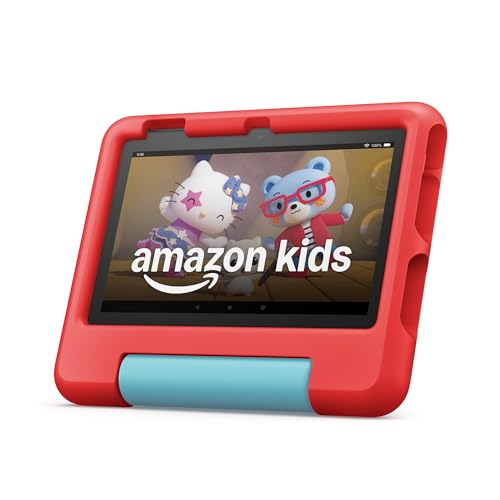
The Fire 7 Kids tablet offers an environment designed for ages 3–7 with an ad-free experience and robust parental controls. The bundle includes a one-year Amazon Kids+ subscription, which provides access to thousands of kid-friendly books, videos, and apps. The device is built for long battery life and durable use, making it well-suited for toddlers who are developing independence in screen time while offering a guided path toward early literacy and numeracy through curated content.
hahaland 5-Language Learning Tablet

This upgrade version emphasizes multilingual learning with English, French, Spanish, German, and Italian. It comes with 90+ modules across themes like animals, shapes, and colors, plus four play modes: Learning, Quiz, Music, and Pretend Play. A screen-free multilingual option is included, supporting vocabulary development, pronunciation, and listening skills. The no-screen mode can be a thoughtful alternative for caregivers seeking a balance between digital and offline learning experiences for toddlers aged 1–3.
Qiaojoy Kids Learning Tablet

The Qiaojoy tablet focuses on bilingual learning with English and Spanish, featuring five learning modes to support vocabulary, reading, and memory. Its Talking Cards and interactive questions encourage children to think, answer, and engage with content. The device offers a safe, age-appropriate user experience with adjustable volume levels, making it suitable for two-year-olds building early language skills and basic cognitive concepts through interactive play and exploration.
BEST LEARNING Touch & Learn Tablet

The BEST LEARNING tablet targets toddlers aged 2–5 with two modes, four learning activities, and a focus on alphabet, words, shapes, and sounds. It supports music playback, lights, and interactive quizzes to strengthen early language and memory skills. The device is designed for short, engaging sessions that align with the attention span of two-year-olds, offering a simple gateway into structured learning through multimedia cues and interactive prompts.
Trayoo Kids Tablet 7

The Trayoo 7-inch tablet emphasizes parental controls and offline learning resources, with access to preloaded educational apps via Google Play. It’s designed for kids who need a guided learning path with the option to download additional educational content. The device supports multiple connectivity options, screen-time management, and a family-friendly interface that can evolve with a child’s growing learning needs, especially for toddlers approaching age two and beyond.
Buying Guide
Key purchase considerations for buying a learning tablet for a 2-year-old include:
- Age-appropriate content: Look for devices with early literacy, number recognition, shapes, colors, and basic vocabulary, ideally with multilingual options for broader language exposure.
- Durability and safety: Choose rugged cases, rubber bumpers, and devices built to withstand drops and rough handling common in toddlers.
- Parental controls: Ensure easy-to-use controls for screen time limits, app access, and content filtering to align with family guidelines.
- Offline and offline-to-online balance: A mix of preloaded content and optional internet access helps manage screen time while providing expanded learning opportunities.
- Modes that promote development: Look for devices offering learning, quiz, music, and pretend play modes to target memory, language, listening, and fine motor skills.
- Language options: Multilingual devices support early exposure to additional languages, beneficial for cognitive flexibility and pronunciation.
- Battery life and durability: Long battery life reduces interruptions, and a durable design minimizes the need for frequent replacements.
When comparing devices, consider how well each aligns with your child’s learning pace, your household routines, and your overall approach to screen time. Some tablets emphasize fully structured programs, while others offer flexible play that fosters creativity and exploration. If possible, preview apps or demos to assess which interface feels intuitive for a toddler and which content best supports early language and number sense development.