Best Learning Cards for Babies: Language, Colors and Cognitive Fun
Choosing the right learning cards can support early speech, recognition, and cognitive development without screens. The following hand-picked picks are designed for 0–3 year olds, combining bright visuals, tactile features, bilingual options, and durable materials. Each product section highlights its key strengths to help caregivers compare quickly and decide which set best fits a child’s learning pace and interests.
| Product | Brand | Key Benefit |
|---|---|---|
| LearnWorx 101 Baby Flash Cards | learnworx | 101 first words with engaging games and robust visuals |
| Airbition Bilingual Flash Cards | Airbition | Dual-language exposure with a clear voice reader |
| Jollybaby Reusable Soft Flash Cards | Jollybaby | Washable, double-sided, sensory themes for hands-on learning |
| beiens High Contrast Flashcards | beiens | High-contrast visuals to support rapid perception |
| Torlam Toddler Flash Cards | Torlam | 60 double-sided cards covering alphabet, numbers, shapes and more |
LearnWorx 101 Baby Flash Cards

LearnWorx offers a comprehensive set of 101 flashcards designed for toddlers aged 1–3. The cards cover animals, food, household items, outdoor objects, and places, with a focus on boosting early vocabulary and speech recognition. Each card features bright illustrations and age-appropriate wording, with the reverse side providing an engaging game or counting activity to reinforce concepts. The large 5″ x 3.7″ cards are easy for little hands to handle and are suitable for quick, screen-free learning moments. The design emphasizes award-winning visuals aimed at encouraging visual development while supporting speech therapy goals when used under caregiver guidance.
Key considerations:
– Language breadth supports initial word-building and object-connection skills.
– Card size favors early grip development and independent exploration.
– Inclusion of games on the back of cards adds play-based learning dynamics.
– Suitable for both baby and preschool environments, promoting consistency across learning stages.
Airbition Bilingual Spanish and English Flash Cards

This bilingual set engages children in both Spanish and English, fostering dual-language exposure from an early age. The reader supports pure English, pure Spanish, and combined playback, enabling flexible language practice. Cards cover a broad range of categories, including numbers, colors, animals, transportation, and everyday items, aimed at expanding cognitive associations and vocabulary. The device’s clear American-accent voice helps standard pronunciation, while the bilingual feature supports cultural awareness and inclusive learning environments.
Key considerations:
– Dual-language focus addresses bilingual development and cultural exposure.
– The reading device helps maintain consistent pronunciation practice.
– Content breadth supports cross-curricular building blocks (numbers, colors, animals, etc.).
– Volume control and user-friendly use suit both quiet home learning and classroom use.
Jollybaby Reusable Soft Flash Cards

Jollybaby offers washable, tear-resistant soft flash cards designed for ongoing use with infants and toddlers. The set includes three sensory themes—fruits, vegetables, and numbers—plus a double-sided design that pairs numbers with corresponding items. The soft, durable textures support hands-on discovery and are ideal for parents who want a tactile learning experience. These cards promote fine motor skills, color and number recognition, and early word identification through repeated, interactive sessions.
Key considerations:
– Reusability reduces waste and long-term cost per use.
– Sensory themes align with multisensory learning styles.
– Double-sided design reinforces word-object associations efficiently.
– Durable, easy-to-clean materials suit daily handling by young children.
beiens High Contrast Baby Flashcards
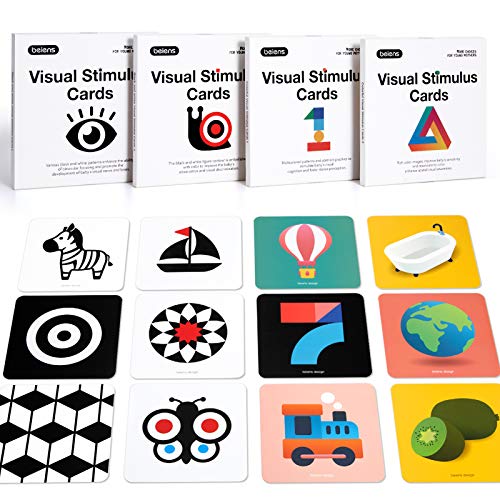
beiens focuses on high-contrast visuals to stimulate early visual processing and right-brain development in newborns and young infants. The set includes 80 flashcards with 160 pages of content featuring shapes, geometric figures, and varied themes designed to capture attention quickly. The simple, bold contrasts are intended to help babies process visual stimuli rapidly, potentially supporting memory and recognition as a foundational skill for later reading. This option is particularly suitable for newborns and infants beginning visual exploration.
Key considerations:
– Rapid visual processing support through high-contrast design.
– A broad range of shapes and themes to spark curiosity.
– Suitable for newborns and very young infants to foster early recognition.
– Durable print with simple imagery to reduce cognitive overload in early stages.
Torlam Toddler Flash Cards
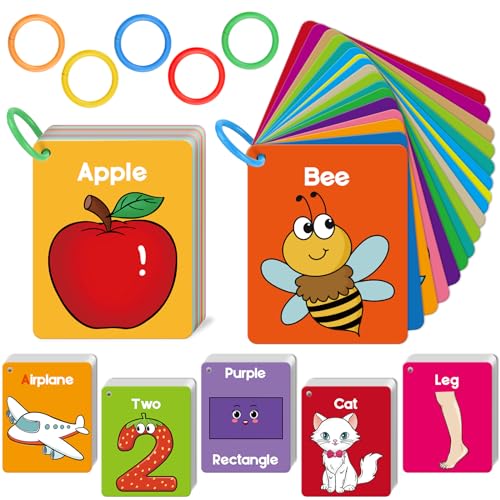
Torlam’s kit includes 60 double-sided flash cards plus five colored rings for easy organization. The cards cover alphabet, counting from 1 to 10, shapes and colors, animals, first words, body parts, and foods. Each card is illustrated with vibrant colors and large, legible fonts to engage toddlers while building foundational literacy and numeracy skills. The setup supports rehearsals in short, frequent sessions and adapts well to classroom activities or independent practice, aiding kindergarten readiness and vocabulary expansion.
Key considerations:
– Wide scope across basic academic domains (letters, numbers, shapes, words).
– Ring-bound format encourages easy sorting and rotation.
– Large visuals and bold typography suit early readers and those developing attention.
– Suitable for home learning, daycare, and early education settings.
Buying Guide: Key Purchase Considerations and Comparisons
When selecting learning cards for babies and toddlers, consider the following factors to ensure a fit with a child’s needs and family routines:
- Age and development stage: Choose sets aligned with the child’s current abilities (0–6 months for high-contrast sets, 6–24 months for tactile or dual-language cards, 2–3 years for more complex word and category sets).
- Materials and durability: For infants, opt for soft or washable cards that withstand drool, spills, and rough handling. For toddlers, sturdier cardstock with glossy finishes may endure longer.
- Language exposure: If bilingual or multilingual development is a goal, prioritize cards offering dual-language support or audio features that reinforce pronunciation.
- Interactivity: Cards with games, prompts, or sounds can boost engagement and memory retention but may require supervision and screen-free routines.
- Portability and storage: Look for compact sets or those with rings and pouches for easy travel and organized play.
- Care and maintenance: Reusable, washable options reduce waste and extend the life of the learning cards.
- Balance of visuals and vocabulary: A mix of picture-rich cards and simple text supports both word recognition and object identification.
In practice, a good starter kit often blends several approaches: a core vocabulary set (animals, foods, everyday objects), a bilingual option for cultural and language exposure, and a durable, reusable card for ongoing practice. For caregivers seeking a balanced approach, combining LearnWorx for breadth, Airbition bilingual for language development, Jollybaby for tactile and durable play, beiens for high-contrast visual stimulation, and Torlam for structured literacy basics covers a wide range of early-learning needs.