Best Helmet for 6-Year-Olds: Safe, Comfortable Head Protection
Choosing a helmet for a 6-year-old involves balancing safety, fit, comfort, and style. The right helmet helps kids ride confidently and reduces the risk of head injuries during biking, skateboarding, or scootering. Below, you’ll find five well-reviewed options that suit a range of heads and activities. A quick summary table is provided to compare key details at a glance.
| Product | Brand | Head Circumference (cm) | Adjustability | Notable Feature |
|---|---|---|---|---|
| Schwinn Thrasher Kids Bike Helmet | Schwinn | 50-54 | Dial fit, full padding | Detachable visor |
| Besttravel Kids Bike Helmet | Besttravel | 48-54 | Adjustable | Multi-sports safety use |
| KAMUGO Kids Bike Helmet | KAMUGO | 19.3″-21.3″ | Crank dial, adjustable strap | Reflective markings |
| OUWOER Kids Bike Helmet | OUWOER | 48-54 | Three sizes, adjustable | Three sizes, top vents |
| BELL Spider-Man Web Shatter 3D Helmet | BELL | 50-54 | Side-squeeze buckle | Iconic character design |
Schwinn Thrasher Kids Bike Helmet

The Schwinn Thrasher helmet is designed for children ages 5 to 8 with a suggested head circumference of 19.63 to 22 inches. It features a dial-fit knob and full-range padding to ensure a snug, comfortable custom fit. The helmet employs two microshell layers and full-coverage EPS foam for lightweight durability, making it suitable for daily riding and longer sessions without excessive weight.
Besttravel Kids Bike Helmet

The Besttravel helmet is adjustable for ages 3-8, with a size range of 48-54 cm. It’s designed to grow with a child, providing a snug fit over several years. Built for multi-sport use—cycling, skateboarding, rollerblading, scooters, and more—it combines a rugged ABS shell with an EPS core to deliver durable protection and reliable impact absorption.
KAMUGO Kids Bike Helmet

The KAMUGO helmet is designed for children ages 2-8 and uses a tough polycarbonate shell with EPS foam for impact protection. It includes reflective markings on the sides and back for increased visibility, an adjustable dial and strap system for a secure fit, and a lightweight 280-gram frame. Its ventilation helps keep heads cool during play and rides, and the soft, detachable chin pad adds comfort for long wear.
OUWOER Kids Bike Helmet
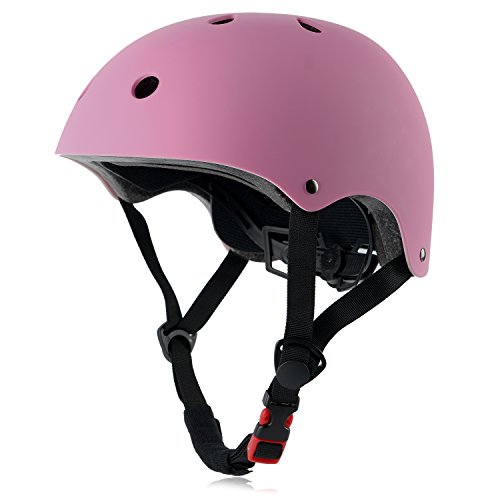
OUWOER offers multiple sizes (Small, Medium, Large) aligned with age ranges and head measurements. The helmet adheres to U.S. safety standards and provides 11 vents to promote airflow. Its ABS shell and EPS foam provide impact resistance, while the multi-size design supports a growing child, ensuring a proper fit for several years of use.
BELL Spider-Man Web Shatter 3D Helmet
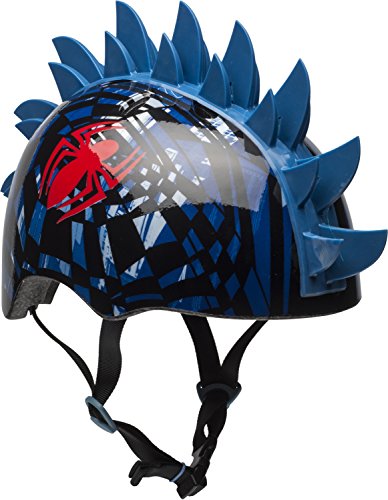
The BELL Spider-Man helmet is a kid-sized, 50-54 cm option with eight vents to keep heads cool. Its side-squeeze buckle allows quick, easy adjustments, and the character design adds a playful element that can encourage wearing the helmet consistently during all activities.
Toddler Bike Helmet (Unicorn, Size S)
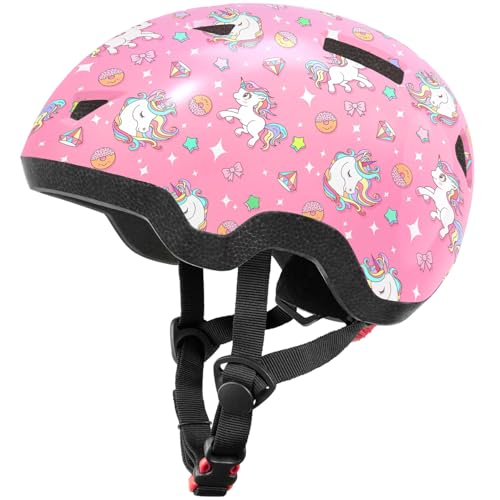
Though marketed for younger children, this helmet offers a progressive sizing approach with XS, S, and larger options. While primarily aiming at infants and toddlers, its simple design and adjustable fit dial make it a potential transitional helmet for early riders as children grow into the 6-year-old range.
Raskullz Sharkmo Blue Child Helmet

The Raskullz Sharkmo Blue helmet features a playful 3D shark graphic and is designed to fit 50-54 cm heads, appropriate for kids around 5 to 8 years old. It emphasizes lightweight comfort with a fun, bold look to help kids enjoy wearing it during biking, skateboarding, or other outdoor activities.
Buying Guide: Key Considerations for Choosing a Child’s Helmet
- Head size and fit: Use a flexible measuring tape to measure circumference around the widest part of the child’s head. Look for helmets that cover the forehead and sit level, not tilted.
- Safety standards: Ensure the helmet complies with CPSC or equivalent safety standards for bicycle helmets. This ensures basic impact protection and construction quality.
- Adjustment and retention: Adjustable dial-fit systems, adjustable straps, and pinch-free buckles help maintain a secure, comfortable fit as kids grow.
- Ventilation and weight: More vents improve airflow, reducing overheating during play. Lighter helmets reduce neck strain and improve wear-time comfort.
- Durability and materials: A tough composite or polycarbonate shell with EPS foam provides durable protection. Consider removable, washable padding for hygiene.
- Usage scenarios: Consider whether the helmet will be used primarily for biking, skating, or multi-sport activities. Multi-sport helmets may offer broader protection but vary in ventilation and weight.
- Style and comfort: Colors and designs that kids enjoy can boost consistent use. Padding softness and strap comfort matter for long wear sessions.
- Growth compatibility: For growing children, choose helmets with adjustable sizing ranges or longer use across multiple ages.
When selecting a helmet for a 6-year-old, prioritize a proper fit, standard safety certification, and comfort features that encourage regular use. The options listed above balance affordability, protection, and kid-friendly design to support safe play across biking and other activities.