Best Fidget Blankets for Alzheimer’s Patients: Calming, Engaging Sensory Comfort
The right fidget blanket can offer meaningful engagement, sensory stimulation, and emotional calm for seniors living with dementia or Alzheimer’s. This guide highlights five trusted options that emphasize texture variety, portability, and therapeutic benefits. Each product below includes a brief overview of features and how it supports daily activities, relaxation, and cognitive engagement.
Summary of Selected Products
| Product | Brand | Key Benefit | Effects |
|---|---|---|---|
| Fidget Blanket for Adults with Dementia, Multi-Use Busy Sensory Board | Jade Butterfly | Calms and Engages | Sensory textures, interactive tasks, supports independence |
| Fidget Blanket for Adults with Dementia, Sensory Exercises | HNYG | Relieves Anxiety | 13 items, portable size, easy to carry |
| KUMUNI Fidget Blanket (12×24 in) | KUMUNI | Finger Dexterity & Family Connection | Maze game, lacing, zippers, and other dexterity items |
| Fidget Blanket and Muff Cat (Dementia) | ALACCOM | Relaxation & Sharing | Detachable blanket, suitable for nursing homes |
| SOFWO Fidget Blanket and Muff Dog | SOFWO | Calming Engagement | Detachable muff, multiple sensory activities |
The following sections present five product options with concise, objective details to help caregivers and families choose the best fit for individual needs and environments.
Fidget Blanket for Adults With Dementia — Jade Butterfly

This fidget blanket combines colorful activities and textured materials designed to meet sensory needs. It aims to calm attention, reduce agitation, and provide meaningful engagement through interactive tasks. The product is described as supporting independence and focus by simulating daily activities in a familiar, comforting format. It’s suitable for seniors with dementia and also noted as a potential busy board for younger children, offering versatility across age groups.
Fidget Blanket for Adults With Dementia — HNYG

This option emphasizes anxiety relief through touch-sensory exercises and a variety of activities aimed at relaxation. It includes a 13-item sensory kit and pocket features to aid dexterity. The blanket size is designed for easy handling and portability, with a folding or unfolded configuration to suit different use scenarios, including easy storage and transport for caregivers and family members.
KUMUNI Fidget Blanket — 12×24 in

Designed for finger dexterity and engagement, this blanket offers a maze game alongside a range of tactile items such as knitted textures, laces, zippers, Velcro, and elastic components. Family image slots and pockets help personalize the experience, potentially reinforcing recognition and connection for people living with dementia or autism. The product prioritizes repetitive, gentle motor activity as a therapeutic activity.
Fidget Blanket and Muff Cat — ALACCOM
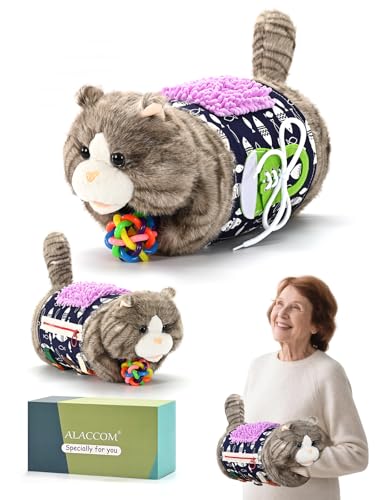
This product combines a comforting muff-style blanket with a detachable fidget blanket for flexible use. It’s positioned as a supportive option for dementia and Alzheimer’s patients, with an emphasis on reducing restlessness and providing a sense of safety in home or care settings. Its portability and shared-use capability make it well-suited for nursing homes and family households alike.
SOFWO Fidget Blanket and Muff Dog — Dementia Care

This option features a fidget muff blanket with a detachable, dog-themed sensory toy. It emphasizes relaxation and engagement through a variety of textures and activities designed for seniors with dementia. The detachable muff design supports shared use in caregiving environments and can be easily stored when not in use, promoting convenience for caregivers and family members alike.
Buying Guide: Key Considerations For Choosing A Dementia Fidget Blanket
Selecting the right fidget blanket involves balancing sensory variety, ease of use, and portability with the individual’s cognitive needs and living environment. Consider the following perspectives to choose wisely:
- Sensory Variety: Look for blankets that combine different textures (soft fabrics, sequins, zippers, buckles) and multiple activities to keep hands busy without overwhelming the user. A well-rounded sensory kit can support relaxation and focus better than single-sense options.
- Size And Portability: Choose a size that fits the user’s typical sitting or lying position and the space available in the living area or care setting. Foldable or compact designs with handles are easier to carry between rooms or facilities.
- Maintenance And Cleaning: Removable covers or easy-clean fabrics simplify upkeep, especially in shared environments like nursing homes. Consider machine-washable components and minimal laundering complexity.
- Durability And Safety: Durable stitching and secure fasteners reduce wear and risk of choking hazards. Ensure there are no small detachable parts that could pose a safety concern for the user.
- Therapeutic Alignment: Some products emphasize anxiety relief, others focus on dexterity or cognitive engagement. Match the blanket’s strengths to the user’s current needs—calming textures for agitation, or puzzle-like elements for cognitive stimulation.
- Caregiver Convenience: Look for features such as detachable components, easy storage, and the ability to share the blanket among multiple residents. These factors influence how often the item is used and how smoothly it fits into daily routines.
- Personalization Potential: Blankets that allow for family photos or familiar objects can support reminiscence and emotional connection, potentially enhancing engagement.
Overall, a dementia-focused fidget blanket should provide soothing, tactile experiences while facilitating manageable, meaningful activity. The listed options represent a spectrum of textures, sizes, and configurations to suit different care settings and individual preferences. Always consider the user’s current abilities, safety requirements, and caregiver routines when selecting a best-fit blanket.