Best Electric Toys for 9 Year Olds: Top STEM Kits and RC Toys for Mix of Fun and Learning
Discover top-rated electric toys designed to engage 9-year-olds with hands-on learning, creativity, and problem-solving. The following selections emphasize STEM skills, safe play, and long-lasting value, helping kids explore robotics, coding basics, engineering challenges, and interactive games.
| Product | Brand | Key Feature |
|---|---|---|
| Smartivity DIY Robotic Mechanical Hand | Smartivity | 100% screen-free STEM build with replacement parts |
| Henoda Robot Toys 8-16 | Henoda | 468+ piece building robot with multiple control modes |
| PlayRoute Electronic Brain & Memory Game Cube | PlayRoute | Five light-up games to train memory and concentration |
| 10 in 1 Electric STEM Toys | Tsomtto | Ten models in one kit with a motorized element |
| Veecafiodi 50-in-1 STEM Building Kit | Veecafiodi | 50-in-1 designs with motorized action and varied models |
style=”display:none;”>Note: All products are selected for accessible 9-year-old engagement, safety-conscious design, and clear instructional guidance.
Smartivity DIY Robotic Mechanical Hand

Smartivity’s DIY Robotic Mechanical Hand engages kids in a step-by-step build that yields a functional, hands-on robotics toy. The kit is designed to be age-appropriate for 8–14-year-olds, fostering engineering thinking through a tangible project. The instruction manual guides builders through each stage, promoting perseverance and problem-solving without screens. Replacement parts are provided for ongoing play, keeping the project accessible even after initial completion. This kit supports creativity as young builders experiment with articulation, grip, and motion in a compact mechanical system.
Henoda Robot Toys For 8-16 Year Olds
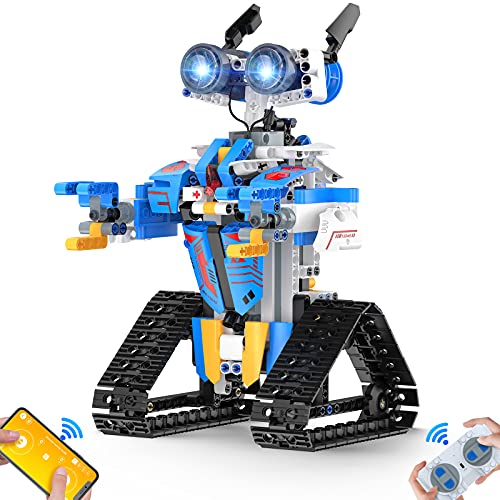
Henoda offers a versatile STEM-building robot with 468+ pieces and multiple control modes, including app Bluetooth, 2.4GHz remote, and several mode options such as path, gravity sensor, and voice-guided programming. The robot’s design supports directional movement and 360-degree rotation, stimulating spatial reasoning and motor skills. With glowing eyes and rotating joints, the set provides engaging, multi-sensory play that encourages experimentation, troubleshooting, and iterative design. Suitable for birthday gifts or family STEM sessions, it promotes hands-on learning and creativity in kids aged 8 and up.
PlayRoute Electronic Brain & Memory Game Cube
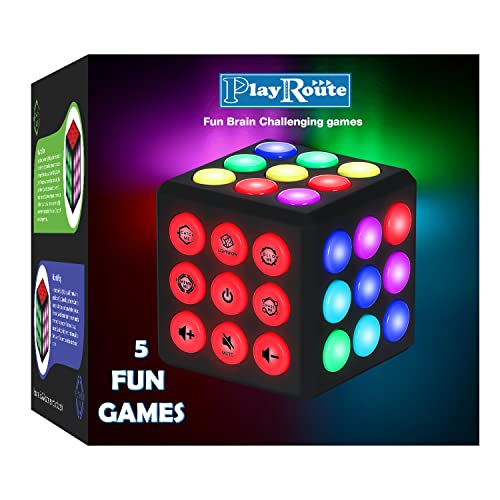
The PlayRoute Light Up Cube provides five portable games focused on memory and cognitive skills. Its compact handheld design makes it ideal for travel, quiet time, and family game nights. The cube’s bright LEDs and simple mechanics engage 9-year-olds in pattern recognition, recall, and quick thinking. This toy complements more complex STEM kits by reinforcing memory-building and concentration in a low-pressure, entertaining format. It’s a solid choice for kids who enjoy brain games as part of a balanced learning toolkit.
10 in 1 Electric STEM Toys by Tsomtto

The Tsomtto 10-in-1 kit offers a comprehensive introduction to STEM through multiple transformable models—from bulldozers to planes and robots. The set includes a step-by-step guide and a motorized component, enabling kids to build one model at a time. The kit supports early engineering principles, motorized functionality, and collaborative play as children explore different mechanisms and systems. It’s positioned well for ages 5 and up, including 9-year-olds seeking more complex, multi-model challenges.
Veecafiodi 50-in-1 STEM Building Kit

The Veecafiodi kit enables 50 distinct models using 107 durable pieces and a built-in motor. The kit emphasizes hands-on problem solving, spatial reasoning, and mechanical understanding. A detailed instruction manual guides children through each project, while the motorization adds motion and excitement to every build. The expansive variety makes this kit suitable for a wide range of interests, encouraging repeated exploration and long-term engagement in STEM topics.
Buying Guide
Key considerations when selecting electric toys for 9-year-olds include learning goals, safety, complexity, and ongoing engagement. First, determine whether the child leans toward robotics, coding basics, or creative problem solving. Kits with clear, illustrated instructions and age-appropriate challenges help sustain motivation without frustration. Safety features such as non-toxic materials, tested batteries, and age-specific parts are essential. Look for options with expandability or replacement parts to extend the life of the toy. Finally, consider the balance between screen-free activity and introduction to technology concepts, ensuring activities nurture curiosity while supporting overall development.
When evaluating the five featured products, parents should weigh the scope of learning (multimodel kits versus single-function devices), the level of hands-on assembly required, and how each toy fosters collaboration or independent play. For classrooms or family environments, kits with modular components and multiple modes enable flexible use across ages and skill levels. Consider storage needs and organization aids included in the kit, as a well-structured set reduces setup time and keeps components secure. Battery requirements, replacement parts availability, and warranty coverage are additional practical factors affecting long-term value.