Best Coding Toys for Toddlers: Screen-Free STEM Fun for Young Learners
Discover engaging, screen-free coding toys that introduce preschoolers to basic programming concepts through hands-on play. The following five picks emphasize problem solving, logical thinking, and early computational thinking in age-appropriate ways. Each product encourages exploration with interactive robots, story-driven challenges, and colorful controls that foster curiosity without screens.
| Product | Brand | Type | Highlights |
|---|---|---|---|
| Switcheroo Coding Crew | Learning Resources | Rescue-robot coding set | 3-in-1 vehicle forms, 9-piece map |
| Code & Go Robot Mouse Activity Set | Learning Resources | Robot mouse maze kit | Screen-free coding, progression cards |
| Code & Go Robot Mouse | Learning Resources | Programmable robot mouse | Multiple learning modes |
| Coding Critters Bopper | Learning Resources | Interactive STEM pet | Storybook coding adventures |
| Talebot Pro Coding Robot | MatataStudio | Educational coding robot | Voice feedback, 256 commands |
Switcheroo Coding Crew: Kid-Friendly Coding Rescue Missions

The Learning Resources Switcheroo Coding Crew introduces early coding skills through a three-in-one rescue robot designed for children aged four and up. Players transform the robot into a police car, fire truck, or construction vehicle to tackle varied coding rescue missions across a nine-piece town map. The activity blends hands-on directional control with problem solving, encouraging children to plan sequences and adjust strategies as challenges evolve. This set emphasizes non-screen play, making it suitable for classrooms or homes seeking STEM activities that engage motor planning and logic.
How it supports learning: The kit focuses on foundational coding concepts, including sequence, direction, and conditional thinking through tangible actions. As kids navigate different missions, they build perseverance and flexible thinking, essential at the preschool stage. The physical map and 9-player town layout provide opportunities for collaborative play, turn-taking, and explaining chosen strategies to peers.
Target audience and benefits: Ideal for preschoolers and early elementary learners who benefit from concrete, manipulative coding experiences. The three vehicle modes introduce variable viewpoints and problem-solving angles, prompting kids to adapt when a plan doesn’t work. This set is especially useful for parents and educators seeking screen-free activities that align with early STEM and engineering skills.
Code & Go Robot Mouse Activity Set: Screen-Free Coding Adventures
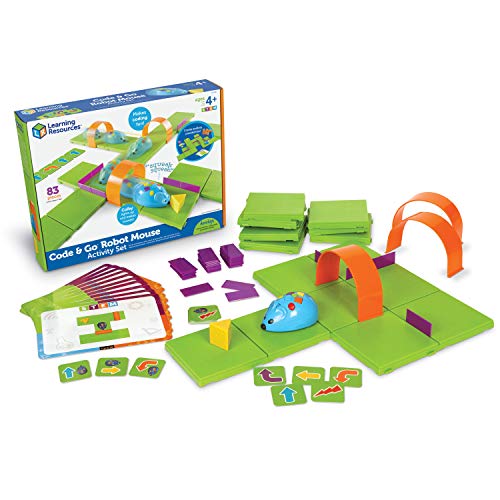
The Code & Go Robot Mouse Activity Set offers a screen-free introduction to fundamental programming concepts for children aged four to eight. Kids guide a programmable mouse through mazes, planning sequences and troubleshooting when plans go awry. The kit includes a set of double-sided cards that gradually increase in difficulty, supporting a steady progression as learners build confidence in coding logic. This model emphasizes hands-on experimentation and cognitive development without screens.
Learning outcomes include enhanced critical thinking, planning skills, and an understanding of cause-and-effect relationships. The activity set is designed to be modular, allowing educators to rotate tasks or pair learners to encourage collaboration while maintaining a focus on step-by-step problem solving.
Considerations: While the cards provide structure, some children may need extra guidance to transition from simple to more complex sequences. Batteries are required, so plan for ongoing power needs during classroom or home use. Overall, this is a reliable starter kit for introducing sequencing, loops, and debugging in a tactile format.
Code & Go Robot Mouse: Classic, Screen-Free Learning
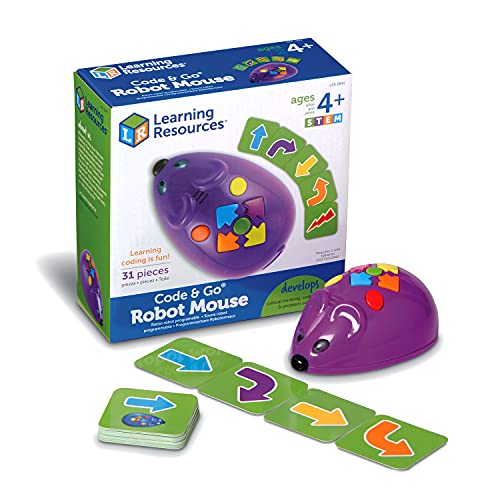
This robot mouse toy teaches coding concepts through hands-on play, ideal for children four years and older. The design nurtures critical thinking and problem-solving as kids plan routes and create sequences to guide the mouse to its destination. The multi-sensory setup—colorful buttons, directional cards, and light-up features with sounds—appeals to different learning styles, including visual, tactile, and auditory learners. The screen-free approach supports consistent, distraction-free practice of basic programming skills.
Educational impact includes early exposure to problem solving, logical planning, and an understanding of algorithms. The intuitive interface encourages independent exploration while offering opportunities for guided instruction. This product is well-suited for families seeking a durable, approachable entry point into robotics and STEM without screens.
Coding Critters Bopper: Creative, Screen-Free Coding Play

Code along with Bopper and friends in a screen-free storytelling adventure designed for kids aged four and up. The 22-piece pet playset supports ongoing, open-ended coding challenges as children craft sequences and plans to complete tasks in the interactive play world. The accompanying storybook-style narrative adds context and motivation, blending literacy with early computational thinking. The format invites iteration—children can test, adjust, and reattempt missions, reinforcing perseverance and logical reasoning.
Key strengths include compatibility with varied play styles and the ability to extend activities into role-play scenarios. This product is especially helpful for families who value imaginative play alongside structure, offering a gentle, engaging introduction to coding concepts through storytelling and exploration.
Talebot Pro Coding Robot: Story-Driven, Screen-Free Coding

The Talebot Pro Coding Robot by MatataStudio provides an engaging mix of storytelling and hands-on command learning for toddlers aged three to five. Its interactive map and voice feedback create an instructive environment that encourages young learners to follow commands, record stories, and construct basic programs. Up to 256 commands can be learned, enabling multiple levels of exploration—from simple sequences to looping actions. The screen-free design supports focused practice, creativity, and language development through narrative play.
Design considerations include ensuring proximity to teaching moments—parents or teachers can scaffold more complex challenges as competence grows. The storytelling component helps maintain motivation while reinforcing core coding ideas like sequencing, timing, and repetition. This toy is suitable for homes and early classrooms seeking a robust, narrative-driven coding experience.
Buying Guide: What to Consider When Choosing Coding Toys for Toddlers
- Age appropriateness: Look for products labeled four years and up for clear guidance on complexity and safety.
- Screen-free design: Prioritize toys that teach sequencing, logic, and problem solving without devices to support attention and fine motor skills.
- Progression and adaptability: Choose kits with escalating challenges or storylines to sustain interest as children grow.
- Multisensory appeal: Favor toys with bright colors, hands-on controls, sounds, and storytelling elements to engage varied learning styles.
- Durability and safety: Ensure components are sturdy, kid-friendly, and easy to clean after play sessions.
- Educational philosophy: Consider whether the toy emphasizes play-based exploration, structured missions, or a blend to align with your goals.
- Support for caregivers: Look for clear instructions, simple start guides, and options for guided activities to maximize learning outcomes.
The selected products provide diverse approaches to early coding education—from numeric sequences and directional commands to storytelling-based exploration. When selecting, weigh whether your child benefits most from guided missions or open-ended play, and consider how the toy can integrate with other STEM activities at home or in the classroom.