Best Chemistry Kits for 8 Year Olds: Hands-on Science That Sparks Curiosity
Discover top chemistry kits that are age-appropriate, safe, and engaging for eight-year-olds. The following selections emphasize clear instructions, hands-on experiments, and real scientific concepts suitable for curious kids. Each kit combines fun with foundational chemistry skills like mixing, observing color changes, and understanding reactions. This guide helps parents compare options and choose kits that promote STEM learning at home.
style=”display:none;”>Summary Table
Product | Brand | Key Focus | Notable Features
National Geographic Amazing Chemistry Set | Blue Marble | 100+ experiments | Crystal growing, color-changing solutions, bonus 85 experiments
Blue Marble National Geographic Magic Chemistry Set | Blue Marble | 10 magic-style experiments | Magic tricks, wand and gloves, kid-friendly guide
National Geographic Stunning Chemistry Set | National Geographic | 45 experiments | Volcano, geyser, rocket projects
Doctor Jupiter Girls’ Science Kit | Doctor Jupiter | 135+ experiments | STEM learning for girls, easy-to-follow manual
National Geographic Junior Chemistry Set | Blue Marble | 50 experiments | Easy experiments, illustrated instructions
Discovery Super Reactions Science Kit | Discovery Kids | 66 experiments | Real science concepts, volcanoes, slime
National Geographic Amazing Chemistry Set

The National Geographic Amazing Chemistry Set offers a broad entry into hands-on science with over 100 experiments. Kids can explore bubbling reactions, color-changing solutions, glowing test tubes, and a variety of crystal-growing activities. The kit includes materials for 15 core chemistry experiments, plus a bonus guide with 85 additional experiments that use common household items. This combination supports incremental learning, helping kids build confidence as they discover cause-and-effect in chemistry.
Blue Marble National Geographic Magic Chemistry Set
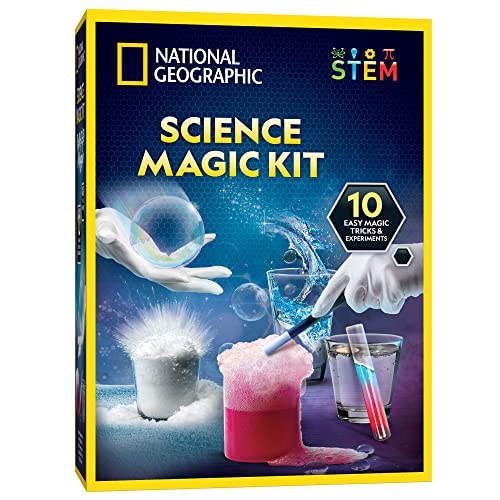
This Magic Chemistry Set turns learning into magic tricks designed for kids aged 8–12. Ten experiments include feats like making a coin float and changing water color, all framed as entertaining illusions. The kit adds a magic wand and gloves to foster imaginative play while teaching basic science concepts. An illustrated, kid-friendly guide explains the science behind the tricks, helping children connect the illusions to real chemistry ideas and generate curiosity about how experiments work.
National Geographic Stunning Chemistry Set

The National Geographic Stunning Chemistry Set focuses on 45 easy-to-follow experiments designed to inspire ongoing exploration. Real-world fun includes building a volcano, launching a rocket, and conducting varied chemical reactions that demonstrate fizz, color changes, and gas formation. The included illustrated guide makes it accessible for young scientists to perform each activity with step-by-step instructions and kid-friendly explanations, offering a solid foundation in observational skills and scientific reasoning.
National Geographic Junior Chemistry Set

Geared toward younger beginners, this junior set provides a complete mini-lab experience with 50 hands-on experiments. Crafted for budding scientists aged 4 and up, it emphasizes exploration using common household items like baking soda and vinegar. Clear, illustrated instructions help children follow along independently or with minimal adult guidance, enabling repeated experimentation and reinforcing core ideas such as states of matter, chemical reactions, and observation skills in a safe, approachable format.
Discovery™ Super Reactions Science Kit

The Discovery Super Reactions Science Kit includes 66 action-packed experiments that blend guided activities with a suite of DIY ideas. Kids will explore acid–base reactions, gas formation, and changes in states of matter while building curiosity about real-world chemistry. The kit features hands-on activities such as creating volcanoes, glow-in-the-dark potions, and slime, providing a cohesive blend of structured learning and open-ended experimentation that supports problem-solving and critical thinking.
Buying Guide: Key Purchase Considerations And Comparisons
When selecting chemistry kits for eight-year-olds, consider safety, instructional quality, and long-term value. The following perspectives help compare options across common scenarios:
- Age appropriateness and complexity: For eight-year-olds, look for clearly written, illustrated instructions and activities that introduce basic chemical concepts without overwhelming novelty. Kits with tiered activities or bonus experiments offer growth paths as skills develop.
- Safety and materials: Check that the kit uses non-toxic, child-safe components and includes protective gear where appropriate. A kit with sturdy tested components reduces the chance of stray pieces during play and learning.
- Hands-on engagement: A mix of experiments that cover reactions, color changes, and physical chemistry maintains engagement. Kits that balance guided steps with opportunities for independent exploration typically support deeper learning.
- Educational value: The best kits connect activities to real-world science through simple explanations, diagrams, and science facts. Look for clear explanations of why experiments happen, not just how to perform them.
- Reusability and expansion: Options offering multiple experiments beyond the core set or including bonus activities extend the kit’s lifespan, encouraging ongoing curiosity without frequent new purchases.
- Brand reliability: Reputable brands such as National Geographic, Doctor Jupiter, and Discovery Kids tend to provide well-structured guides and safety-committed components, which can contribute to a smoother learning experience at home.
- Presentation and accessibility: Illustrated guides and clearly labeled components help younger children follow steps with minimal adult intervention, promoting independent exploration while ensuring safety.
- Gift suitability: For birthdays or holidays, consider kits that present well, have a broad appeal, and align with a child’s interested topics, such as crystals, volcanoes, or slime-based experiments.
In sum, the best chemistry kits for eight-year-olds blend safety, structured instruction, and authentic science exploration. The selections above provide varied entry points—from crystal growth and color-changing experiments to magic-themed demonstrations and volcano projects—so families can choose a setup that matches a child’s curiosity and learning pace. Parents can use the buying considerations to balance immediate engagement with long-term skill development in early chemistry and critical thinking.