Best Butterfly Farm for Kids: Fun, Safe Ways to Grow Mini Lepidoptera at Home
Growing butterflies at home offers hands-on science, ecology lessons, and memorable moments for kids. The following selections are well-suited for classrooms, homeschooling, or family projects, featuring live caterpillars, observation habitats, and safe, guided setups. Each option emphasizes easy viewing, clear metamorphosis stages, and age-appropriate activities that encourage curiosity about the butterfly life cycle.
| Product | Brand | Key Feature |
|---|---|---|
| Insect Lore Raise and Release Butterfly Garden Kit | Insect Lore | Metamorphosis in a kit; STEM-focused learning |
| Insect Lore Butterfly Farm – Live Cup of 5 Caterpillars | Insect Lore | Live caterpillars with reusable habitat and activity journal |
| Uncle Milton Butterfly Farm Live Habitat | Uncle Milton | Custom habitat and up-close observation |
| Nature Bound Butterfly Growing Kit | Nature Bound | Live caterpillars with pop-up enclosure and learning guide |
| MindWare Make Your Own Butterfly House Kit | MindWare | Wooden craft kit plus butterfly habitat insights |
Insect Lore Raise And Release Butterfly Garden Kit

The Insect Lore Raise and Release Butterfly Garden Kit provides a compact, classroom-friendly setup that lets kids observe real metamorphosis. This kit centers on a transparent habitat, enabling clear viewing of eggs, caterpillars, chrysalises, and adult butterflies. It supports hands-on exploration of the butterfly life cycle, making it a reliable centerpiece for homeschool or school science projects. The included voucher system helps connect the experience to ongoing learning, reinforcing cause-and-effect as caterpillars grow and emerge as butterflies. This option is well suited for introductions to insect life cycles.
Educational value comes through structured observation and accompanying materials. The kit encourages children to document changes, draw conclusions, and discuss pollination roles in ecosystems. Its design prioritizes safety and cleanliness, with easy feeding routines and a view-friendly enclosure. Parents and teachers can extend lessons with related science activities, such as charting growth rates, predicting development timelines, and comparing butterfly species.
Insect Lore Butterfly Farm – Live Cup Of Caterpillars

This option presents a three-week project with live caterpillars in a reusable habitat. Kids observe day-to-day metamorphosis while engaging with a compact butterfly journal that integrates science, math, and writing tasks. The package includes food, a chrysalis-keeping log, a butterfly feeder, and a simple feeding dropper, all designed to support hands-on STEM learning. The live caterpillars deliver a tangible, memorable experience that reinforces inquiry-based learning and observational skills.
With guided activities, learners can compare expected development timelines to real progress, discuss the roles of nectar and plant hosts, and explore environmental needs for butterfly habitats. The journal activities help develop data literacy as children record measurements, drawing, and short writing reflections about each stage of growth. The kit is a practical bridge between exploration and documented science in a home or classroom setting.
Uncle Milton Butterfly Farm Live Habitat
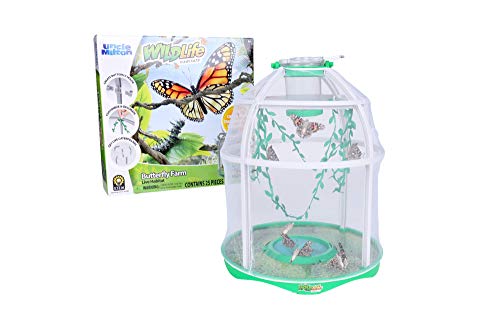
Uncle Milton offers a live habitat kit that centers on observing caterpillars transform into butterflies within a custom enclosure. This setup emphasizes close-up viewing, making it appealing for younger children eager to see real insect changes up close. The kit combines practical habitat-building with an introduction to insect life cycles, offering a tactile, interactive experience that supports inquiry and observation skills. It is particularly suitable for families or classrooms seeking a more hands-on, featured habitat project.
The included materials guide learners through the stages of metamorphosis while encouraging questions about nutrition, movement, and the butterfly’s role in ecosystems. The product also lends itself to decorating and personalization, which can boost engagement and ongoing curiosity about nature and conservation. Clear safety considerations and simple maintenance help sustain a long-term observational project in a safe environment.
Nature Bound Butterfly Growing Kit

Nature Bound’s butterfly growing kit emphasizes a complete lifecycle observation with a green pop-up enclosure and a voucher to redeem live caterpillars later. The setup is designed for ages 6 and up, making it accessible for both home and school use. The kit’s eco-friendly materials and straightforward assembly support a user-friendly introduction to biology and life sciences, while the voucher component adds an ongoing, extended learning opportunity beyond the initial installation.
Educational value centers on observing metamorphosis while exploring ecology, pollination, and garden ecosystems. The enclosure is tall enough for comfortable viewing, and its zipper-based design simplifies handling and cleaning. Kids can practice documenting growth, drawing stage diagrams, and writing reflections about what butterfly hosts need for survival, helping build research and communication skills alongside scientific curiosity.
MindWare Make Your Own Butterfly House Kit

MindWare’s butterfly house kit combines crafting with biology education. Children build, paint, and decorate a wooden butterfly house while learning about the monarch life cycle and pollination. This kit is ideal for hands-on, craft-oriented learners who benefit from a tangible creation that can be hung outdoors to attract butterflies. The project supports fine motor skill development, color theory exploration, and an introduction to backyard conservation concepts.
The kit serves as both a science and art project, providing opportunities for storytelling about a butterfly’s journey from chrysalis to adult. It can be used as a classroom group activity or a family project, combining creativity with nature education. The wooden construction and decorative elements also encourage responsibility for maintaining a simple habitat and observing visiting butterflies over time.
Buying Guide: Key Purchase Considerations And Comparisons
- Live caterpillars vs. non-living kits: Live-caterpillar kits offer real-time metamorphosis and hands-on science, while craft-oriented kits emphasize art, design, and ecology concepts without live insects.
- Habitat design and viewing experience: Look for clear-view habitats with secure lids, good ventilation, and easy feeding access. Taller enclosures often provide better observation of developmental stages.
- Age and supervision: Some kits are ideal for younger children with adult support, while others target older kids and classrooms with structured journaling and experiments.
- Learning supports: Journals, activity guides, and teacher/student worksheets enhance STEM alignment and help track progress from egg to butterfly.
- Eco-awareness and conservation: Kits that discuss pollination, habitat preservation, and garden-friendly practices foster long-term ecological thinking.
- Maintenance and safety: Consider ease of cleaning, feeding routines, and safety warnings around small parts and live organisms for various age groups.
- Upgrades and longevity: Some kits offer reusable habitats and replacement caterpillars, enabling repeated projects across an academic year or multiple seasons.
- Overall value: Weigh upfront kit quality, included components, and the potential learning outcomes when choosing between live-insect projects and craft-based habitats.