Best Bikes for 3-5 Year Olds: Balanced Fun and Safe Riding Solutions
Finding the right first bike for a child aged 3 to 5 involves balancing stability, growth potential, and ease of use. This guide highlights five top picks designed for little riders who are developing balance, steering, and confidence. Each option emphasizes safety, adjustable features, and age-appropriate design so kids can grow with their bike. The selections cover toddler balance bikes, three-wwheelers, and early-ride bicycles, offering choices for different preferences and terrains.
| Product | Type | Age Range |
|---|---|---|
| KRIDDO Toddler Balance Bike | Balance Bike | 24 Months to 5 Years |
| KRIDDO Tricycles | Tricycle | 24 Months to 4 Years |
| Umatoll Tricycle | Tricycle | 2 to 5 Years |
| KRIDDO Kids Tricycles (Blue) | Tricycle | 24 Months to 4 Years |
| Ridego 14 Inch Balance Bike | Balance Bike | 3 to 6 Years |
KRIDDO Toddler Balance Bike – Early Balance Learning
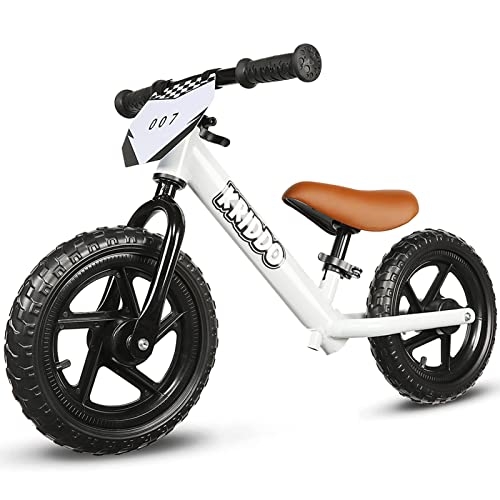
The KRIDDO Toddler Balance Bike is designed to introduce toddlers to riding with a sturdy carbon steel frame and a kid-friendly design suitable for ages 2 to 5. It focuses on balance, walking, and pushing rather than pedaling, helping children develop core riding skills safely.
Key features include a removable customizable plate for personalization with included stickers, a soft PU seat, and soft-grip handlebars for comfort and safety. The bike supports up to 110 lbs, reducing concerns about breakage during early riding sessions. This option suits families seeking a playful but durable balance learning tool for young children.
KRIDDO Tricycles Age 24 Months to 4 Years

KRIDDO’s toddler tricycle targets 2- to 4-year-olds, helping build steering skills and coordination through a stable three-wheel design. The model emphasizes improved roll-over prevention with a wider wheelbase and extended rear wheels, reducing tipping as little ones learn to ride. An ergonomic, easy-to-carry seat and comfortable grips support parents during transportation and playtime.
Ideal for families wanting a pedal-free option that introduces balance and basic steering while offering durable construction. The trike is positioned as a confidence-building gift that grows with a child’s early mobility and exploration.
Umatoll Tricycle for Toddlers 2-5 Years

The Umatoll tricycle grows with the child via a 3-position adjustable seat, accommodating toddlers from ages 2 to 5. It features a sturdy carbon steel build, a wide wheelbase, and extended rear wheels to prevent tipping. The design emphasizes a stable ride, making it suitable for beginners learning to pedal and steer while building leg strength and balance.
With durable construction and straightforward height adjustments, this tricycle provides long-term use as a child’s riding abilities progress from supervised pushes to independent steering and gliding.
KRIDDO Kids Tricycles – Blue

KRIDDO’s blue kid tricycle continues the brand’s emphasis on early stability and confidence: a 24- to 48-month design that supports steering skills and muscle development. The enhanced rolling stability comes from the extended rear wheels and a wider base to curb tipping risks as kids become familiar with steering and propulsion.
The ergonomic seat and non-slip grips provide comfort, making it an attractive option for families seeking a reliable secondary ride that teaches balance before pedaling becomes common practice.
Ridego 14 Inch Balance Bike For Kids

The Ridego 14 Inch Balance Bike targets children aged 3 to 6, offering a lightweight frame and air rubber tires for a smooth ride on varied surfaces. It emphasizes a pedal-free design to help kids focus on balance, steering, and coordination before transitioning to a traditional bicycle. The frame’s glass-reinforced nylon construction delivers strength while remaining light for parental handling.
Adjustable seat height supports growth, enabling the bike to accompany a child through multiple stages of early riding and boosting confidence on sidewalks, trails, and backyards.
Buying Guide: Key Purchase Considerations
- Age and growth: Choose bikes that fit the child’s current age while allowing height and seat adjustments to accommodate growth over years.
- Balance vs. pedaling: Balance bikes are ideal for teaching balance and coordination first, while tricycles and early-ride bikes introduce steering and propulsion in safer, structured steps.
- Stability and safety: Look for wide wheelbases, low saddle heights, non-slip grips, and robust frames to reduce tipping and accidents during learning.
- Adjustability: Height-adjustable seats and handlebars extend the product’s usable life as the child grows, making a single purchase last longer.
- Materials and weight: Lighter frames are easier for small riders and parents to maneuver, while steel and carbon-steel builds offer durability for rough play.
- Maintenance: Simple designs with fewer parts tend to require less upkeep; check for easily replaceable tires and seats if needed.
- Customization and personalization: Some models offer plates and stickers or decals to engage kids and foster ownership and enthusiasm for riding.
- Terrain suitability: Consider bikes with appropriate tire types, such as air-filled tires for shocks or solid tires for low-maintenance options, depending on riding surfaces.
- Safety features: Brakes (where applicable), chain guards, and reflectors increase visibility and stopping power for younger riders learning road rules.
- Portability: If you travel or need to store the bike, consider foldable or easily disassembled options or lighter-weight models for quick transport.