Best Balance Ball for Kids: Top Picks for Active Learning and Fun
For active kids who learn best by movement, balance balls offer a versatile option that supports focus, posture, and energy management. The following selections are kid-friendly, durable, and designed to fit classroom or home use. Each product balances comfort with safety, helping children stay engaged during homework, reading, and play. Below you’ll find a concise buying guide and five top picks that align with different activity needs—from flexible seating to core stability work.
| Product | Brand | Use |
|---|---|---|
| Gaiam Kids Balance Ball | Gaiam | Active seating, posture, focus |
| Flybar Pogo Trick Ball | Flybar | Active play, coordination, portability |
| Trideer Inflated Wobble Cushion | Trideer | Sensory seating, balance, core |
| APEXUP Yoga Ball | APEXUP | Stability, balance, therapy options |
| Amazon Basics Wood Wobble Balance Trainer | Amazon Basics | Core work, posture, coordination |
Gaiam Kids Balance Ball
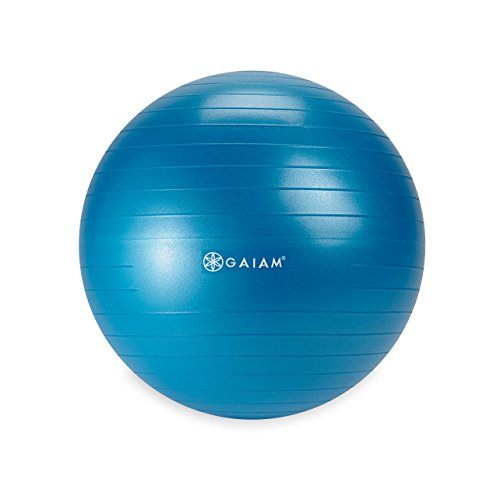
The Gaiam Kids Balance Ball is a 45 cm, child-sized stability ball designed for exercise, yoga, and active seating in homes or classrooms. It supports a healthy posture while encouraging continuous movement that can improve focus and concentration. As a flexible seating option, it helps high-energy children manage the “wiggles” at a desk, turning sitting into an active, engaging experience. The lightweight design makes it easy to move between spaces, promoting independence and self-directed learning.
Flybar Pogo Trick Ball

Flybar’s Pogo Trick Ball blends a pogo jumper, a balance board, and a jump ball into one exciting toy for ages 6 and up. It supports coordination, balance, and active play with durable construction and a pump for quick inflation. The design emphasizes safety with sturdy materials capable of handling energetic use up to 160 pounds. This option is ideal for kids who want dynamic movement, indoors or outdoors, while developing core strength and motor skills.
Trideer Inflated Wobble Cushion
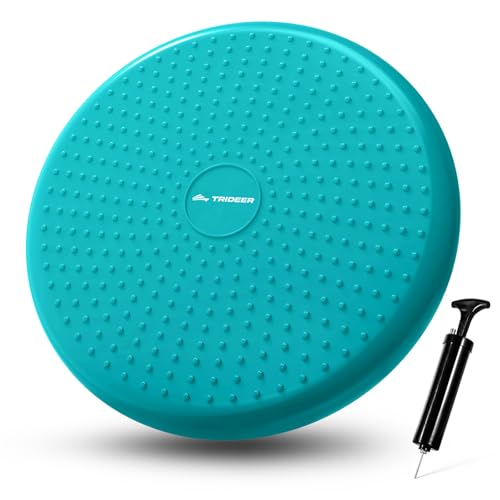
The Trideer Inflated Wobble Cushion offers a thick, flexible seating option in multiple colors, designed to aid focus and posture. It absorbs movement and helps kids stay seated comfortably during reading or table work. The wobble disk also supports balance, core strength, and better posture, with a non-slip grip to minimize slips during activities. Its versatility makes it suitable for classrooms, therapy sessions, and home use.
APEXUP Yoga Ball

APEXUP offers a versatile 55 cm yoga ball with anti-slip lines for improved grip and stability. Built to accommodate a wide range of users and activities, it supports core workouts, balance training, and even light physical therapy. The ball’s durable construction is designed to withstand various fitness routines while remaining safe and comfortable for kids and adults alike.
Amazon Basics Wood Wobble Balance Trainer
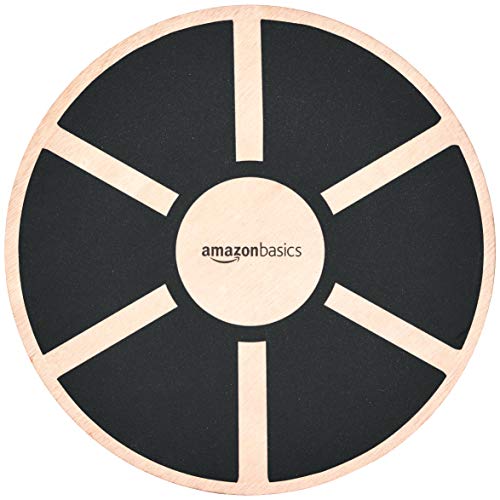
The Amazon Basics Wood Wobble Balance Trainer is a solid, natural-wood balance board designed to improve core strength, coordination, and posture. Its non-slip surface provides a secure grip during a range of exercises, including push-ups and standing balance poses. The board supports up to 265 pounds and offers a traditional, stable feel that is easy to use in both home and classroom settings. This option emphasizes durability and a straightforward approach to balance training.
Buying Guide
Choosing the right balance ball or trainer for kids involves balancing safety, durability, and the child’s activity level. Consider these perspectives and features:
- Intended use: Seating vs. active training. For desk use, choose cushions or wobble seats with appropriate height and firmness. For movement-based activities, a larger ball or pogo-style device can be more engaging and effective.
- Size and capacity: Ensure the product height and diameter fit the child’s age and weight. Some balls specify a size (like 45 cm) or weight limits (e.g., up to 160 pounds).
- Material safety: Look for non-toxic PVC or wood with non-slip surfaces. Anti-burst constructions add safety, particularly for active kids.
- Stability features: Non-slip textures, grip lines, and textured surfaces help prevent slips during use. A non-slip base is critical for balance training.
- Portability and storage: Lightweight designs or those with handles are easier to move between rooms or classrooms, supporting frequent use.
- Therapeutic and developmental value: Balance and wobble tools can aid focus, posture, core strength, and coordination, beneficial for kids with sensory needs or motor skills targets.
- Durability versus cost: Higher weight capacity and robust construction will last longer with active kids. Consider the expected lifespan and how often it will be used.
- Cleaning and maintenance: Easy-to-clean surfaces are advantageous in shared spaces like classrooms or clinics.
In practice, pairing a balance tool with a structured routine—short movement breaks, balance drills, and desk-based activities—can help children channel excess energy into productive focus. Teachers and parents should monitor comfort, ensure proper use, and gradually increase difficulty to build confidence and competence. This approach supports inclusive learning environments where movement and learning reinforce each other.