Best Adaptive Toys for Cerebral Palsy: Sensory, Grasp, and Learning Tools
Adaptive toys can support children with cerebral palsy by enhancing sensory input, promoting fine motor skills, and encouraging exploration in a safe, engaging way. This guide highlights five practical options that focus on tactile feedback, grip assistance, and interactive play, while remaining accessible for caregivers seeking durable, kid-friendly solutions. Each product is evaluated for sensory engagement, ease of use, and developmental value to aid decision-making.
| Product | Brand | Key Features |
|---|---|---|
| EazyHold Yellow Silicone Easy Grip Device | EazyHold | Soft silicone grip; universal cuff fits small hands and various objects; improves daily living tasks; wrist and hand support. |
| Crayola Toddler Touch Lights Musical Doodle Board | Crayola | 6 songs; 12 light-up colors; mess-free gel surface; sensory textures for fingertips. |
| Special Supplies Sensory Vibrating Neck Pillow | Special Supplies | Gently vibrating core; calming and stress-relief; ultra-plush velvet cover; portable and soothing. |
| Tsomtto Baby Toys 12 Months Musical Light Up Tummy Time Toy | Tsomtto | Musical lights; sea-animal visuals; 360° rotation; two play modes; supports crawling and exploration. |
| ArtCreativity Light Up Transparent Sensory Car Toy | ArtCreativity | Colorful moving gears; bump-and-go action; LED lights and music; engaging visual and mechanical play. |
Crayola Toddler Touch Lights Doodle Board

The Crayola Toddler Touch Lights Musical Doodle Board combines visual and tactile stimulation with mess-free creativity. It features six songs and twelve light-up colors to entice early learners, while the self-contained gel surface enables finger painting without cleanup. For children with cerebral palsy, the textured surface provides tactile feedback that can encourage fine motor exploration and cause-and-effect learning. This toy is compact, travel-friendly, and encourages independent play with simple, accessible interactions.
Special Supplies Sensory Vibrating Neck Pillow
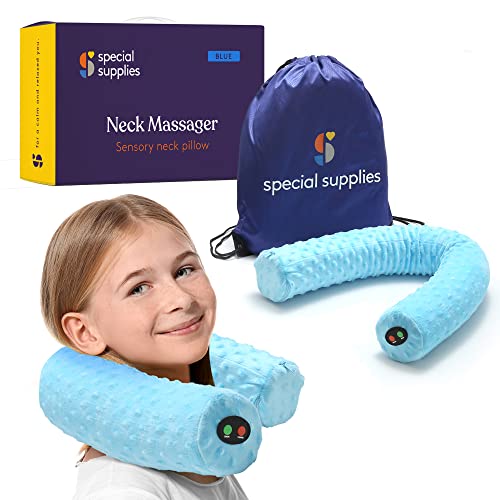
This sensory neck pillow is designed to provide calming, embodied input through a gentle vibration core embedded inside the plush cover. The ultra-soft velvet exterior and relaxing massaging action can help manage anxiety or overstimulation, which can be common in cerebral palsy. The pillow’s flexible design makes it suitable for a range of ages, offering a soothing, proprioceptive experience that supports self-regulation, focus, and sensory organization during quiet play or travel.
Tsomtto 12 Months Musical Light Up Tummy Time Toy
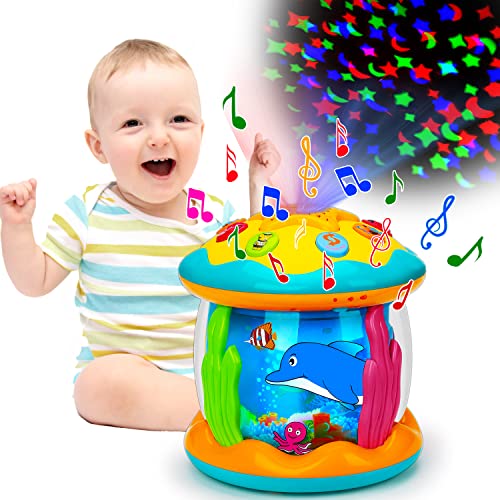
The Tsomtto tummy time toy introduces a rotating projector with sea life imagery and cheerful melodies. The 360° light effects and animal sounds aid auditory and visual attention, while the two play modes allow caregivers to adjust complexity. The toy’s wheels facilitate mobility and crawling development, supporting gross motor progression and curiosity—areas that can be particularly meaningful for children with cerebral palsy as they work on muscle control and coordination with motivating sensory feedback.
ArtCreativity Light Up Transparent Sensory Car Toy

This transparent toy car combines visual stimulation with a tactile, mechanical screen of moving gears. The bump-and-go mechanism lets the car change direction quickly on contact, providing exciting proprioceptive feedback as it travels. The three-mode on/off switch lets caregivers tailor play to energy levels, promoting cause-and-effect learning while fostering dexterity through simple grip interactions and button presses. The LED lights and music add to the multisensory experience, which is valuable for attention and sensory processing in cerebral palsy.
Buying Guide: Key Purchase Considerations
- Age and developmental level: Choose toys that align with the child’s current motor skills, cognitive abilities, and sensory needs to avoid frustration and encourage gradual progression.
- Grip assistance and adaptability: Items like EazyHold provide grasp support for small hands or limited dexterity, enabling participation in daily activities and play without pressure or discomfort.
- Sensory input variety: A mix of tactile (gel surfaces, soft fabrics), visual (LEDs, bright colors), and auditory (music, sounds) features supports diverse sensory processing preferences.
- Durability and safety: Look for rounded edges, non-toxic materials, and robust construction to withstand active use and potential mouthing by littler ones.
- Ease of cleaning: Mess-free surfaces or wipeable materials help caregivers maintain hygiene with minimal effort, especially for younger children or those who explore textures with hands and mouths.
- Portability and accessibility: Compact designs and simple on/off controls allow play during travel, therapy sessions, or quiet time at home.
- Cost and lifespan: Consider how many developmental benefits are offered by a toy relative to its price and how long it remains engaging as skills progress.
- Caregiver involvement: Some toys promote cooperative play, which can strengthen social interaction skills and provide guided practice for therapy goals.