Best Bats for 10-Year-Olds: Top Picks for Safe, Fun Play
Finding the right bat for a 10-year-old involves balancing weight, size, and how kids feel swinging. The following selections emphasize safety, durability, and age-appropriate construction for young players transitioning from beginner gear. These picks cover cricket- and baseball-style bats to match different interests and regional play. Each option is designed for ages around 6 to 10 or slightly older, with models that help young players build confidence at the plate or crease.
Product Summary
| Product | Type | Best For |
|---|---|---|
| GRS Plastic Junior Cricket Bat (Size 3) | Plastic Cricket Bat | Beginner cricket for ages 6-10 |
| GRS KidsZone Heavy Grade Plastic Cricket Bat (Size 3) | Plastic Cricket Bat | Durable beginner cricket set for ages 6-10 |
| Aoneky 16.5″ Min Foam Baseball Bat | Foam/Baseball Bat | Toddlers and early learners |
| BamBooBat Youth Bamboo Baseball Bat (31″) | Bamboo Baseball Bat | Young players aged 5-13 |
| Axe Bat 2023 Strato Junior Big Barrel | Alloy Baseball Bat | Junior hitters seeking a larger sweet spot |
GRS Plastic Junior Cricket Bat (Size 3)

The GRS Plastic Junior Cricket Bat is a lightweight option designed for ages 6 to 10. This size 3 bat comes with a basic wicket set, a tennis ball, and is marketed as a complete practice kit for beginner players. The plastic construction prioritizes safety and low maintenance, allowing new players to focus on grip, stance, and timing without heavy equipment. Ideal for backyards, schools, or introductory cricket drills, this bat supports early skill development with minimal risk of injury from heavy material.
GRS KidsZone Heavy Grade Plastic Cricket Bat (Size 3)

This heavy-grade plastic cricket bat from GRS is tailored for kids aged 6 to 10. The accompanying wicket set and tennis ball make it a complete practice package for indoor or outdoor play. The larger weight distribution of the plastic bat helps young hitters learn swing mechanics with reduced risk of injury and mis-hit impact. It’s a practical option for schools or clubs introducing cricket basics.
Aoneky 16.5 Inch Min Foam Baseball Bat
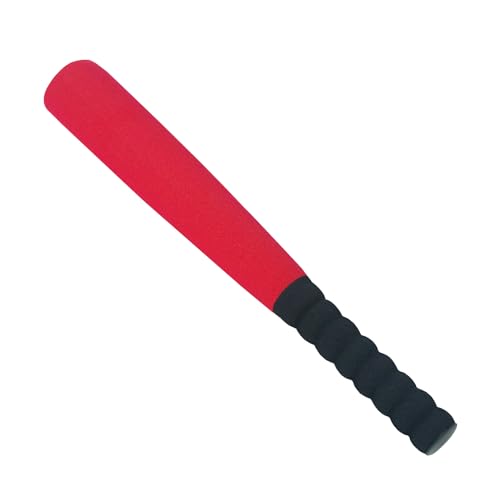
The Aoneky foam bat is a compact, 16.5-inch option ideal for toddlers and early learners. Its soft foam construction minimizes impact while allowing repetitive practice of swing rhythm and hand-eye coordination. Note that the product explicitly states that the ball is not included, so pairing with a safe foam ball is recommended for practice sessions at home or in classrooms.
BamBooBat Youth Bamboo Baseball Bat (31″)

This BamBooBat model uses a bamboo composite for durability and a weight-appropriate design suitable for ages 5 to 13. The 31-inch length suits growing players transitioning into longer swings, and the bamboo material emphasizes sustainability while offering a balanced swing weight. The bat’s construction aims to withstand regular practice and youth games across various levels of play.
Axe Bat 2023 Strato Junior Big Barrel (-10)

The Axe Bat Strato Junior Big Barrel is a one-piece alloy design with a 2-3/4″ barrel. It features a HyperWhip End Cap to reduce weight on the hitting side, a larger sweet spot, and a patented Axe Handle intended to promote an improved grip and consistent swing path. This bat aims to enhance young hitters’ contact quality and overall swing mechanics, making it suitable for players seeking a bigger batting zone without sacrificing control.
BamBooBat by Pinnacle Sports (31″)

This BamBooBat option emphasizes bamboo durability and a 31-inch length, aligning with the needs of young players who benefit from a longer, confidence-building swing. Bamboo remains a renewable material, offering a balanced blend of stiffness and weight. The model is positioned for players aged roughly 5 to 13, supporting both practice drills and early game use in youth leagues.
Buying Guide: Key Purchase Considerations
When selecting a bat for a 10-year-old, consider weight, length, material, and the child’s growing strength. Here are factors to weigh from multiple perspectives:
- Material and safety: Plastic and foam bats are forgiving for beginners, while bamboo and alloy bats offer more realistic swings for learners progressing to live pitching. Safety features and appropriate supervision are essential for any age group.
- Size and weight: For most 9–11-year-olds, a bat around 28-31 inches may be suitable, with light weight enabling faster swing speeds. Always verify the recommended age or height guidelines from the manufacturer.
- Sport alignment: If your child is playing cricket, select a cricket bat or a cricket-themed set; for baseball, choose a youth baseball bat with an appropriate length. Mixing formats can be confusing for beginners.
- Durability and maintenance: Bamboo and alloy bats tend to endure frequent use; plastic bats are typically lower-cost and easier to replace but may wear more quickly. Check product warranties and care instructions.
- Cost and value: Consider whether a complete set (including balls and protective gear) offers better value for early practice, or if a standalone bat better fits your child’s current level and interest.
- Progression path: Think about how the bat supports progression. A heavier or longer bat can challenge a growing child, but it should not hinder initial confidence and success.
- Regional play: If your child participates in organized leagues, confirm any equipment rules specific to the league, such as approved bat materials or length limits.