Best Bingo for Seniors With Dementia: Engaging, Easy-to-Play Options for Memory Support
Choosing the right bingo games can support memory, focus, and social interaction for seniors with dementia. This article highlights top bingo sets designed for accessibility, large print, and simple rules, helping care teams and families find practical activities. Each option below features large cards, clear visuals, and adaptable gameplay to suit different levels of cognitive ability.
Summary of Selected Products
| Product | Brand |
|---|---|
| Keeping Busy Bingo Dementia Activities for Seniors | Keeping Busy |
| Sonwyoung 89 Pcs Bingo Game for Dementia Seniors | Sonwyoung |
| Keeping Busy Animal Bingo Games | Keeping Busy |
| GRANDLMOON Large Print Bingo Game Set for Seniors | GRANDLMOON |
| Assistex Large Print Bingo Cards for Seniors | Assistex |
Keeping Busy Bingo Dementia Activities Set

This compact bingo set is designed for small groups of seniors with dementia. It includes 29 large calling cards, 54 bingo chips, and 6 double-sided boards. The format supports varied abilities with two board sides: blue for numeric calls and yellow for an alphabetical challenge. A reusable storage box helps keep components organized for repeated sessions. The design emphasizes participation and social interaction while limiting frustration, which can be important for dementia activities.
Among the stand-out features are oversized cards and boards that improve visibility and handling, plus a built-in flexibility: players can choose simpler numerals or a mild alphabetical challenge. The product aims to balance engagement with accessibility, making it suitable for activity coordinators in assisted living or home care settings. The activity’s structure makes it feasible to run multiple rounds with several participants, supporting both memory stimulation and social connection.
Sonwyoung 89 Pcs Bingo Game for Dementia

This set includes 29 large bingo calling cards, 54 chips, and 6 double-sided boards. The cards use bold, high-contrast fonts and oversized visuals to aid readability for seniors with reduced eyesight. The two-sided boards offer versatility and can be used across different sessions. The package is designed to be portable and easy to handle, making it a practical choice for activities in homes or care facilities.
The product emphasizes durability with sturdy cardstock and an erasable coating, supporting repeated use without rapid wear. The enlarged components help participants participate more consistently, contributing to a sense of achievement. With two levels of difficulty through the board sides, staff can tailor gameplay to individual abilities, supporting both cognitive engagement and inclusivity.
Keeping Busy Animal Bingo Games

This animal-themed bingo set offers 18 large cards, 54 chips, and 6 double-sided boards. The animal imagery supports reminiscence and recognition, which can be comforting and engaging for seniors. The two-variation design on the boards allows caregivers to adjust the level of support and challenge, accommodating different cognitive abilities within a group session. The durable storage box aids in organization and transportation for on-the-go activities.
The kit positions itself as a flexible option for memory-focused activities, with big visuals and simple rules. The emphasis on pictures plus optional name recognition can spark conversation and social interaction, which is often a key goal in dementia-supported recreation. This set is suitable for family gatherings, adult day programs, or assisted living activity planners seeking a visually engaging, low-stress game.
GRANDLMOON Large Print Bingo Game Set
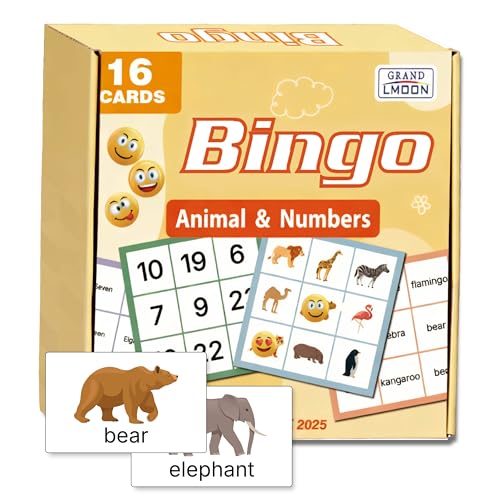
GRANDLMOON’s set features 16 double-sided boards with 32 designs, 42 large calling cards, and 80 tokens. The two adaptive gameplay modes—Numerical and Alphabetical—and the combination of animal and number designs offer varied gameplay to match cognitive ability levels. The enlarged visuals and clear typography support readability for seniors and can help reduce frustration during play.
The design focuses on accessibility, with a compact set that remains versatile for both group and individual play. The dual-sided boards enable quick transitions between activities, while the multiple designs encourage attention and memory recall through familiar patterns. This option is well-suited for memory care programs seeking a visually engaging, low-stress bingo experience.
Assistex Large Print Bingo Cards for Seniors

This set emphasizes large-print cards and a double-sided approach. Each bingo board measures 8″ x 9.5″ with high-contrast numbers for easier readability. The kit includes 11 double-sided cards, offering a mix of numbers and simple math problems to accommodate different cognitive needs. Thick, durable cards and chips are designed for repeated sessions, supporting long-term engagement in care settings or homecare programs.
The Assistex kit blends accessibility with practical cognitive stimulation. The mathematics-side can provide a gentle cognitive challenge while the number side supports familiar bingo play. Its versatility makes it a solid option for inclusive group activities, individual practice, or family gatherings where seniors may benefit from a calm, structured activity.
Buying Guide: Key Considerations For Dementia-Friendly Bingo
When selecting bingo games for seniors with dementia, consider readability, simplicity, and adaptability. Large-print cards, high-contrast colors, and thick, easy-to-hold chips support participants with reduced vision or fine motor skills. Dual-sided boards or multiple play modes offer graduated challenges, allowing caregivers to tailor sessions to individual abilities and progression.
Durability and storage are practical concerns in care environments. Look for sets with sturdy cards and a robust storage box to keep components organized between sessions. Portability can be a plus, enabling activities to move between rooms or facilities without disruption. The best options balance straightforward rules with enough variety to maintain interest and motivation.
Accessibility features—such as clearly labeled numbers, simple language on any prompts, and the option to use pictures—help ensure inclusion. Consider whether the set supports family involvement, as shared activities can reinforce social connections and emotional well-being. Finally, verify that the product includes instructions or tips for modifying play to accommodate different cognitive levels and sensory needs.
In choosing between options, reflect on your group’s typical session length, the number of participants, and whether you prioritize imagery (pictures) or text (numbers/letters). For memory-support goals, boards that offer a mix of number and picture elements can provide a broader range of cognitive stimulation while remaining accessible to most players.