Best Creepy Toys for Kids: Spooktacular Gross Fun Kits
Kids love a thrill, and creepy toys that mix science, crafts, and a dash of Halloween flair deliver safe, educational fun. This guide highlights five standout picks that blend gross-out appeal with real learning. From hands-on experiments to spooky crafts, these toys help kids explore chemistry, physics, and biology while staying age-appropriate and engaging. Below is a quick summary of the featured products to help you compare at a glance.
| Product | Type | Key Appeal |
|---|---|---|
| National Geographic Gross Science Kit | Science Kit | 45 gross experiments; extra activities; kid-friendly guide |
| National Geographic Creepy Creatures Rock Painting Kit | Arts & Crafts | 10 river rocks; spooky decals; googly eyes |
| Remote Control Crawling Hands | Electronic Toy | lifelike movement; sound and music effects |
| Discovery Big Creepy Science Lab | STEM Kit | 65 experiments; gross and creepy themes |
| Thames & Kosmos Gross Gummy Candy Lab Worms & Spiders | Candy Science Kit | DIY gummy candies shaped like creepy creatures |
National Geographic Gross Science Kit

The National Geographic Gross Science Kit blends hands-on biology with entertaining gross-out experiments. With 15 core experiments and an additional 30 using household items, kids explore topics through memorable activities like creating slime, “boiling boogers,” and other gross demonstrations. The kid-friendly instruction guide includes illustrations and explanations that connect each activity to real science, making learning accessible and engaging. This kit is designed to spark curiosity while delivering a robust, reusable learning experience.
National Geographic Creepy Creatures Rock Painting Kit
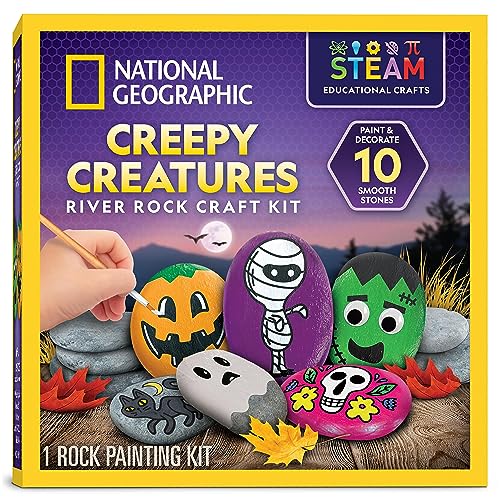
This Halloween rock painting kit turns simple river rocks into spooky creatures. It includes 10 rocks, 10 paints, 30 googly eyes, and transfer decals to boost creativity. Painted rocks can become decorations, story stones, or party crafts. The color variety supports imaginative design, while the googly eyes add a playful, goofy charm that keeps the project lighthearted rather than frightening.
Remote Control Crawling Hands

This remote-controlled crawling hand brings eerie movement to life with lifelike motion and sound. The built-in music feature adds a playful dimension as the hand traverses floors or performance spaces. It’s easy to operate with directional controls or an automatic demonstration mode. The realistic palm movement and creepy ambiance support imaginative play and storytelling in a safe, supervised setting.
Discovery Big Creepy Science Lab

With 65 experiments, this kit leans heavily into creepy science that remains educational. Kids explore chemistry, physics, and biology through activities like making glow-in-the-dark creatures, booger-like substances, fake blood, and erupting noses. The structured experiments teach real scientific concepts (pH, states of matter, acid-base reactions) in the context of spooky, memorable experiments. It’s a robust option for long-term STEM engagement that leans into gross-out fun in a controlled way.
Thames & Kosmos Gross Gummy Candy Lab

This candy-making kit turns science into tasty fun. Kids craft gummy candies in creepy shapes like worms and spiders, using included ingredients to form gelatin mixtures in flavors such as green apple and mixed berry. The package even provides gift bags and stickers to present the finished treats. This kit blends chemistry and cooking, offering a tasty, age-appropriate way to explore measurements, textures, and reactions while keeping the theme delightfully eerie.
Buying Guide
- Age and safety: Choose kits designed for the child’s age range with clearly labeled safety guidelines. Look for non-toxic materials and adult supervision recommendations when needed.
- Educational value: Consider whether the product teaches real science concepts (chemistry, physics, biology) or focuses mainly on pretend play. A balance of both can maximize learning and fun.
- Reusability: Some kits offer ongoing activities with repeatable experiments, while others are single-use. Reusability can improve value and keep kids engaged longer.
- Mess and setup: Gross science toys may create messes. Check included accessories, cleanup requirements, and whether the activity can be done in a dedicated space or with minimal supervision.
- Creativity and versatility: Arts-and-crafts elements (rock painting, party props) encourage open-ended play. Kits that combine multiple play styles can sustain interest over time.
- Learning progression: Look for kits that introduce progressively advanced concepts, enabling skills to build over time rather than restarting each time.
- Safety vs. thrill balance: For younger kids, select items that emphasize curiosity and safe exploration over scary intensity. For older kids, slightly spookier themes can be appropriate if handled responsibly.
- Component quality: Durable plastics, accurate labeling, and clear instructions improve user experience and reduce frustration during setup or cleanup.
- Storage and organization: Some kits include dedicated containers or bags, helping keep parts organized and ready for future experiments.
- Compatibility: If children already own related kits, choose compatible products to expand the learning ecosystem rather than duplicating similar activities.