Best Science Toys for Teens: Engaging Kits to Learn STEM
Teen readers can explore science, technology, engineering, and math through hands-on kits designed to spark curiosity and build practical skills. This guide highlights five standout science toys that blend experimentation with real-world applications—from robotics and electronics to solar-powered engineering and crystal growth. Each pick emphasizes safe, beginner-friendly learning while offering depth for more advanced teen explorers.
| Product | Brand | Focus | Best For |
|---|---|---|---|
| Crystal Growing Kit | 4M | Chemistry, Geology | Young science enthusiasts |
| Robot Car Kit | ELEGOO | Robotics, Programming | Beginner coders and builders |
| Solar Robot Kit | Sillbird | Renewable energy, Engineering | Outdoor and classroom play |
| Bluetooth Speaker Kit | CYOEST | Electronics, Audio | Hands-on electronics projects |
| Solar Power Robots | Bottleboom | Solar engineering, Mechanics | Creative robot building |
The following sections profile each product with a concise overview, what makes it suitable for teens, and how it supports learning goals. Each entry includes an image and a direct link to the product page for quick reference.
Crystal Growing Lab Kit For Teens

The 4M Crystal Growing Science Experimental Kit provides seven crystal growth experiments, offering a hands-on introduction to chemistry and geology. Teens use hot water (distilled recommended) to create crystal formations and then display their specimens in a specialized case. The kit emphasizes observation, patience, and documentation as crystals gradually develop. It is particularly well-suited for curious teens who enjoy chemistry-related projects and collecting specimens.
ELEGOO UNO R3 Smart Robot Car Kit

This beginner-friendly STEM kit introduces programming, electronics assembling, and robotics. The ELEGOO Smart Robot Car comes with a wide range of modules—obstacle avoidance, line tracking, infrared remote control, and smartphone control compatibility. It’s designed to minimize assembly errors with standardized ports, making it an accessible entry point for teens exploring coding and hardware integration.
Sillbird Solar Robot Building Kit
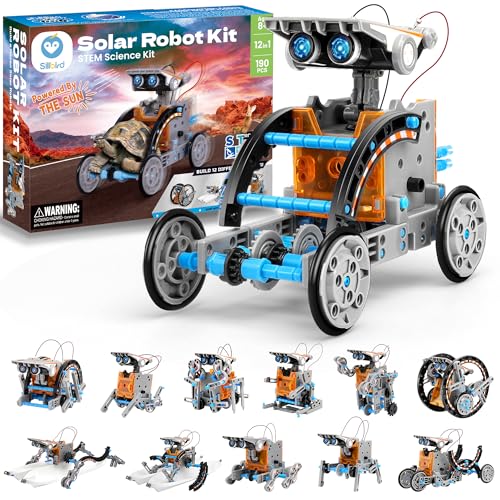
The Sillbird 12-in-1 Solar Robot Kit uses sun power or indoor light to drive creativity and engineering. With 190 pieces, it supports multiple configurations and projects, teaching renewable energy basics, mechanical reasoning, and troubleshooting. The solar-powered aspect encourages outdoor experimentation while remaining adaptable for indoor learning sessions when sunlight is limited.
Bluetooth Speaker & FM Radio STEM Kit
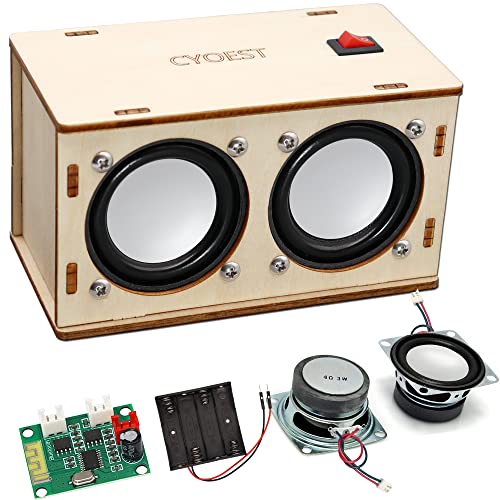
This Bluetooth speaker and FM radio kit combines electronics, acoustics, and hands-on assembly. Teens learn how speakers work while building a functional device. The kit emphasizes safety, component quality, and step-by-step instructions, making it suitable for both beginners and more experienced young tinkerers who want a tangible, portable output device they designed themselves.
STEM 13-in-1 Solar Power Robots

The Bottleboom STEM 13-in-1 Solar Power Robots kit enables teens to follow a step-by-step manual to build 13 distinct robots, some capable of moving on land and water. The kit emphasizes renewable energy concepts, mechanical design, and iterative building—encouraging experimentation with disassembly and reconfiguration to explore how different components affect performance. Non-toxic ABS parts promote safe, long-lasting play in homes and classrooms.
Buying Guide: Key Purchase Considerations
When selecting science toys for teens, consider the following factors to ensure a meaningful, enduring learning experience:
- Learning goals: Decide whether the focus is programming, electronics, robotics, chemistry, or renewable energy. Choose kits that align with the teen’s interests and curriculum goals.
- Skill level and progression: Look for age-appropriate projects with scalable complexity. Kits that allow gradual mastery—starting with basic assembly and advancing to more complex configurations—keep teens engaged.
- Safety and materials: Check for non-toxic materials, clearly labeled safety instructions, and appropriate supervision requirements for younger teens. ABS plastics and low-voltage electronics are generally safe when used as directed.
- Hardware compatibility: For electronics and robotics, verify compatibility with common platforms (e.g., Arduino, microcontrollers) and whether components can be repurposed for future projects.
- Documentation and support: Comprehensive manuals, step-by-step guides, and access to tutorials or community forums help sustain learning and troubleshooting.
- Durability and value: Consider kits with durable parts and upgrade paths. A high-quality chassis, connectors, and batteries contribute to longer-term use and project variety.
- Hands-on vs. screen time: Balance screen-based coding with tangible builds to strengthen procedural thinking, hands-on problem solving, and spatial reasoning.
- Project scope: Some kits are ideal for classroom settings, while others are better for at-home exploration. Assess space, storage, and the number of possible builds.
In sum, the best science toys for teens blend practical construction with intellectual challenge, enabling progressive mastery and real-world applicability. The selections above cover robotics, solar energy, electronics, and chemistry, offering a well-rounded STEM portfolio for curious teens.