Best Dolls for Alzheimer’s Patients: Safe, Engaging Care Options
Choosing comforting, interactive toys for seniors with Alzheimer’s can support engagement, reduce anxiety, and prompt meaningful conversation. This article highlights five carefully selected dolls and memory-inspired products that are suitable for dementia care. Each option focuses on safety, sensory stimulation, and ease of use, aiming to provide calm, familiar experiences and opportunities for reminiscence. The recommended items balance realism with gentle design to avoid overstimulation while encouraging fine motor activity and social interaction.
Summary of Selected Products
| Product | Brand | Key Benefit |
|---|---|---|
| Pinky Reborn Lifelike 20-inch Doll | Pinky Reborn | Realistic, poseable doll for comforting companionship |
| June Garden Little Patient Lucas Plush | June Garden | Educational anatomy play with removable organs |
| Alzheimers Activities Wooden Puzzle | JuGeoZhi | Memory training with adjustable difficulty |
| Dementia Activity Busy Board | TNBUENO | Engaging fine motor and cognitive tasks |
| DREAMORIE Animal Memory Matching Kit | DREAMORIE | Mental stimulation through memory and task matching |
Pinky Reborn Lifelike 20 Inch Doll

The Pinky Reborn 20-inch doll offers a soft weighted body to simulate the feel of a real infant, helping seniors with Alzheimer’s connect through familiar tactile cues. The doll features hand-applied eyelashes, rooted hair, and poseable limbs (though not fully 360 degrees) to support gentle repositioning. Its silicone vinyl head, arms, and legs comply with safety standards (ASTM F963 and EN71) for ages 3+, while the cloth body invites cuddling and handling. This option emphasizes lifelike facial expressions and subtle motions to encourage gentle interaction without overwhelming the user.
Care considerations include mindful supervision during dressing or undressing, and guidance on positioning for comfort. The doll is designed for passive companionship and light play, with a focus on soothing routines that may aid in reminiscence or routine-based activity. Families may use the doll during sensory sessions or as a comforting focal point in a familiar environment.
June Garden Little Patient Lucas Plush
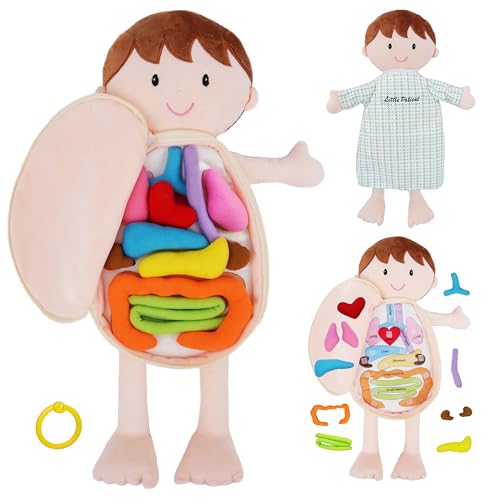
This educational plush introduces basic human anatomy through removable organs and labeled parts. With nine soft removable organs (heart, lungs, liver, stomach, kidneys, trachea, esophagus, and intestines in both small and large forms), it offers tactile engagement and cognitive challenge. The organs are attached with secure Velcro, allowing safe removal and reattachment, which can be beneficial for memory tasks and fine motor coordination.
The toy supports hands-on learning while encouraging conversation about the human body, health, and care routines. It is suitable for both individual and guided activities, making it a versatile choice for caregivers who want to incorporate educational play into daily care without overwhelming the participant. The soft fabric and forgiving shapes help minimize frustration and promote a calm, focused experience.
TNBUENO Dementia Activities Busy Board

The TNBUENO busy board is designed to stimulate cognitive function and tactile exploration through a variety of activities. The board features a matching game that uses 24 cards across 48 topics and multiple play styles to suit different abilities. The activity can be adapted for varying levels of complexity, making it suitable for nursing homes or in-home care. Its cognitive focus supports sustained attention, memory retrieval, and problem-solving skills in a low-stress format.
Care settings can leverage the board to promote social interaction among residents or to provide a quiet, independent activity. The portable design facilitates use during sit-down sessions, travel, or communal activities. With simple, tangible tasks, the product helps maintain dexterity and engagement without requiring extensive instruction.
Fidget Ball For Alzheimer Dementia

The Fidget Ball provides relief from anxiety through tactile stimulation and controlled fidgeting. Designed for seniors with Alzheimer’s, dementia, autism, and related conditions, the ball supports calmness and focus by offering safe, repetitive squeezes. It uses skin-friendly materials and a crochet texture that encourages repetitive handling, which can help reduce restlessness and loneliness during downtime.
Care considerations include monitoring the type of sensory input that is most soothing for the individual, as preferences can vary. The ball’s compact size makes it easy to carry between rooms or to use during quiet moments in a chair or wheelchair, providing a discreet way to engage the senses without creating overstimulation.
SOLIPECT Dementia Fidget Blanket
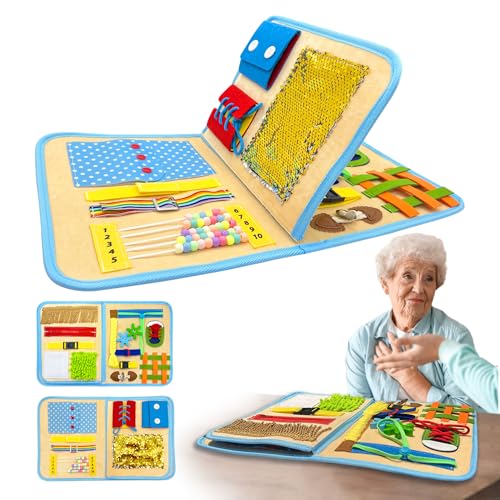
The SOLIPECT fidget blanket offers a rich blend of textures, colors, and interactive elements to keep hands busy and minds engaged. It uses Dutch velvet, a firm sandwich layer, and a Minky Bubble Dimple Dot backing for warmth and grip. Its multi-functional design includes a sequin game, a photo pocket, zippers, and laces to improve dexterity and stimulate tactile exploration, which can be particularly beneficial for dementia patients who seek steady, repetitive activities.
Fidget blankets can be used as a comforting companion during rest periods or as a social activity in small groups. Caregivers can guide residents through the various elements, encouraging memory recall and conversation about familiar items or moments, while avoiding overly complex tasks that might cause frustration.
DREAMORIE Animal Memory Matching Kit

This memory matching kit combines 36 animal figures with 54 vividly designed cards to support memory, attention, and recognition. The activity can be played at beginner or advanced levels, tailoring the challenge to the participant’s abilities. Realistic animal figures encourage discussion and reminiscence about familiar environments, such as farms, oceans, or domestic settings, while the matching mechanics promote cognitive engagement and hand-eye coordination.
The kit offers meaningful interaction opportunities for solo play or guided sessions, making it a versatile option for caregivers seeking structured, enjoyable cognitive stimulation. The tangible pieces reduce screen time and foster social bonds through shared tasks and conversation.
Buying Guide: Key Purchase Considerations
When selecting toys for Alzheimer’s and dementia care, consider safety, simplicity, and sensory needs. Look for items with non-toxic materials, no small parts that could be choking hazards, and straightforward usage. Pay attention to weight, size, and grip; weighted or soft items may be more comforting and accessible for seniors with limited mobility. Choose toys that evoke familiar experiences to prompt reminiscence while avoiding overstimulation. Versatility matters: products that support both independent use and guided caregiver activities offer greater long-term value. Finally, consider durability and washability to ensure the product remains safe and clean through repeated use.
Care settings benefit from a mix of passive companionship (soft dolls), hands-on cognitive tasks (memory games and anatomy toys), and sensory stimulation (fidget items and blankets). This combination can address multiple needs—calming routines, motor skill practice, memory recall, and social interaction. Evaluate individual preferences, cognitive stage, and living environment to tailor selections that align with daily routines and caregiver capabilities. Always supervise new activities until you understand how a person responds and which items bring the most comfort or engagement.