Best Bug Cage Kits for Kids to Explore Nature
Kids can learn science hands-on with bug cage kits that encourage safe observation and outdoor exploration. This guide highlights five top options, each designed to captivate young naturalists while promoting responsible interaction with insects. Read on to compare features, durability, and educational value to help choosing the best bug cage kit for your child.
| Product | Brand | Key Feature |
|---|---|---|
| National Geographic Bug Catcher Kit for Kids | Blue Marble | 360° habitat view with magnifying viewers |
| Nature Bound Bug Catcher Critter Barn Habitat | Nature Bound | Built-in LED light for night observation |
| CUUCUVA Bug Catcher Kit | CUUCUVA | Comprehensive, educational cards included |
| Biubee 2Sets Bug Catcher Kit | Biubee | Two complete sets for siblings or friends |
| YOPINSAND 10 Pcs Bug Catcher Kit | YOPINSAND | Two cages, multiple tools for diverse exploration |
National Geographic Bug Catcher Kit for Kids

The National Geographic Bug Catcher Kit provides a complete observation setup for young scientists. It includes a bug-catching toolset, a removable habitat base, and two magnifying viewers to observe captured insects from multiple angles. The design emphasizes a 360° viewing experience, enabling kids to study bugs in a contained ecosystem while learning basic biology concepts. The included guide supports structured outdoor exploration and helps children develop careful handling habits when observing living creatures.
Built to support outdoor use, the kit fosters curiosity about invertebrates and ecosystems. The magnifying viewers offer up-close viewing so children can notice details such as wing patterns, antennae, and body segmentation. Parents and educators can use the setup to introduce topics like insect life cycles, habitats, and the importance of observing wildlife respectfully.
Nature Bound Bug Catcher Critter Barn Habitat
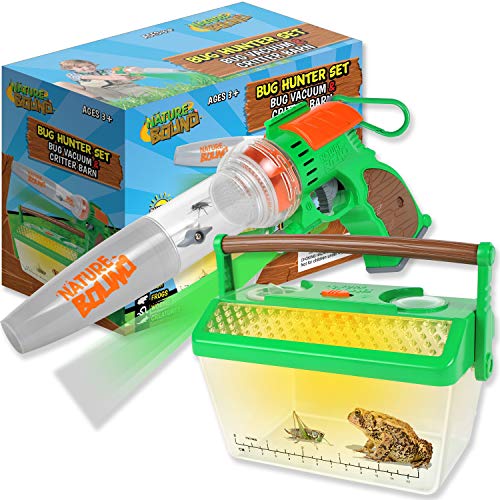
This Nature Bound kit is designed for safe, hands-on observation with a built-in LED light to illuminate nocturnal or dim environments. The critter barn supports bug viewing while promoting responsible stewardship of living creatures. The set includes a habitat with integrated lighting, making it ideal for indoor or outdoor exploration during daytime or dusk. The materials emphasize safety and durability for young children while enabling easy cleaning and maintenance after use.
Educational benefits include encouraging observational skills, fostering patience, and introducing children to insect anatomy and behavior under controlled conditions. The built-in lighting adds an exciting dimension for extended learning sessions, particularly when exploring crevices, leaves, and small habitats where insects reside. The design supports multi-age use, allowing siblings to learn together.
CUUCUVA Bug Catcher Kit

CUUCUVA’s all-in-one bug exploration kit equips young scientists with an insect cage, observation box, magnifying glass, and a sturdy clamp for secure handling of specimens. The kit includes 8 realistic bugs, offering immediate decorative or educational play without live insects. Ten educational cards guide kids through observation, documentation, and basic experiments, helping to cultivate scientific thinking. The durable construction emphasizes safety and portability for outdoor adventures.
This kit is suitable for curious kids aged 3 and up, supporting classroom-style inquiry or backyard expeditions. Kids can practice careful observation, take notes on visual details, and compare different bug types using the included cards. The non-toxic materials and compact design make it easy to transport to parks or school grounds, promoting ongoing exploration beyond the initial purchase.
2Sets Bug Catcher for Kids – Biubee

Biubee offers two complete bug catcher kits in one purchase, featuring separate color options (green and pink) to suit multiple children or siblings. Each set includes an insect box with a breathable top, a circular magnifying glass, a tweezer, and a butterfly net. The dual-set design enables kids to compare specimens side-by-side and fosters collaborative play. The kits prioritize safety with sturdy plastic construction and well-ventilated enclosures. Ideal for group outdoor activities, school projects, or family science days.
With dual sets, caregivers can observe how different insects behave in parallel environments, reinforcing comparative thinking. The included magnifier helps children notice minute details such as wing venation and leg structures, supporting early science literacy. The design emphasizes portability and ease of use, encouraging exploration at parks, backyards, or nature trails.
Nature Bound Bug Catcher Critter Barn Habitat
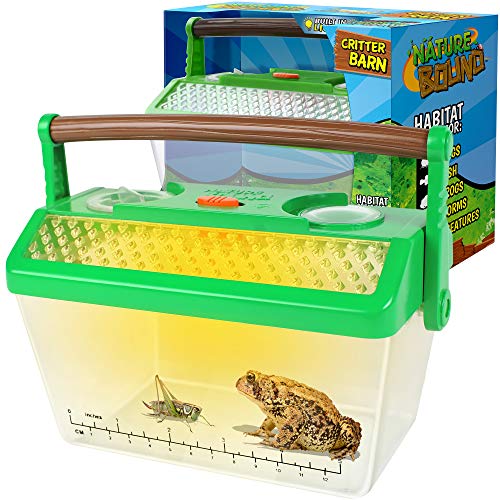
The Nature Bound critter barn combines observation and exploration with a built-in light system for after-dark learning. The design emphasizes safety and durability, using non-toxic materials suitable for children aged 3+. The light feature enables extended observation sessions in dim environments, making it possible to study nocturnal insects or those that are more active at dusk. This kit supports continuous engagement, encouraging kids to document findings and reflect on differences between day and night insect behavior.
Educators and parents can leverage the light-enabled habitat to discuss pest management basics, habitat requirements, and ethical handling. The combination of portability, kid-friendly design, and visual access to insects makes it a versatile option for homeschool projects, classroom demonstrations, and weekend nature hunts.
YOPINSAND Bug Catcher Kit – 10 Pcs

This comprehensive kit by YOPINSAND bundles 10 pieces into one portable exploration set. It includes two cages, two nets, two magnifying glasses, two tweezers, and two whistles, plus accessories designed to support a range of outdoor activities. The dual cages facilitate simultaneous observation or shared discovery between siblings. The intuitive layout and durable materials are suited for kids aged 3–12, promoting active outdoor play and early scientific inquiry.
The kit’s emphasis on portability means families can easily pack for park trips or hikes. Children can capture, observe, compare, and record insect behavior, helping to develop critical thinking skills. The assortment of tools supports different observation styles, from close-up examination to field collection for later study in a classroom or home setting.
Buying Guide
Key purchase considerations help determine the best bug cage kit for a child’s age, interests, and learning goals. Below are multiple perspectives to guide selection.
- Age and safety: Check age range and ensure materials are non-toxic and child-safe. Look for sturdy, cleanable plastic enclosures with ample ventilation and secure lids.
- Observation features: Favor kits with magnifying viewers, built-in lights, or multi-angle viewing options to enhance scientific observation and engagement.
- Learning support: Consider whether the kit includes an activity guide, cards, or a learning booklet that outlines questions, experiments, and documentation steps.
- Durability and portability: Choose components that withstand outdoor use, with easy assembly and transport. Lightweight setups are ideal for parks or backpack trips.
- Ethics and safety of wildlife: Prioritize kits that emphasize safe release, humane handling, and minimal stress to insects. Some kits avoid live insects altogether, which can be suitable for younger children.
- Value for siblings or groups: If you have multiple children, multi-pack options or sets with two cages can promote collaborative exploration and reduce resource sharing conflicts.
- Educational scope: Some kits emphasize basic taxonomy and life cycles, while others focus on observational skills, experimentation, or data recording. Align with your child’s science interests.
- Maintenance: Look for easy cleaning and sanitizing features, especially for habitats with detachable bases or covers. Regular cleaning supports hygiene and long-term use.