Best Sensory Items for Autism: Calming Tools and Fidget Solutions
Exploring sensory items can help individuals with autism manage anxiety, focus attention, and regulate sensory input. This guide highlights five highly relevant products that support calming, concentration, and self-regulation in everyday settings such as home, classroom, and therapy spaces. Each item is described with its key features and practical use scenarios to assist caregivers, educators, and adults seeking quiet, effective sensory aids.
| Product | Brand | Key Benefit |
|---|---|---|
| KLT Fidget Stones | KLT | Quiet, pocket-sized anxiety relief and repetitive behavior replacement |
| Scientoy 35 Pcs Fidget Toy Set | Scientoy | Comprehensive sensory toy set for varied textures and activities |
| Gaiam Active Seat | Gaiam | Active seating to improve posture, focus, and energy management |
| ODOXIA Sensory Tent Mini | ODOXIA | Private blackout space for calm and focused play |
| KIDHABE Sensory Activity Ball | KIDHABE | 24 strings with a display stand for tactile exploration and creativity |
KLT Fidget Stones Adults Sensory Stone

The KLT sensory stones are a compact, textured set designed for teens and adults who seek stronger tactile stimulation. By rubbing the stones, users can channel repetitive behaviors into a controlled activity. The small, silent stones fit in a pocket, making them ideal for discreet use during work or study. Their durable texture supports anxiety relief and can help maintain focus in demanding environments without distracting others.
Scientoy 35 Pcs Fidget Toy Set
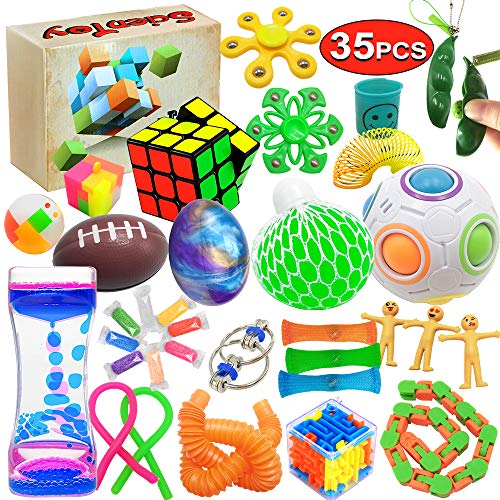
This expansive Scientoy set provides a diverse range of textures and mechanisms designed to engage multiple senses. With items including a rainbow ball, liquid motion timer, maze puzzle, mesh and marble toys, foam putties, squeeze balls, and more, it supports varied sensory needs—from calming to focus-enhancing. The included gift packaging makes it suitable for classroom rewards or thoughtful gifts for individuals with autism, ADD/ADHD, or anxiety.
Gaiam Kids Active Seat Peanut Shaped Bounce Desk Chair

The Gaiam active seat provides a flexible, movable seating option to channel excess energy and promote better posture. By allowing subtle bouncing and movement, it can help maintain focus and reduce restlessness during classroom learning or at-home tasks. Its core benefits include improved core strength, increased blood flow to the brain, and heightened attentiveness, making it a practical seating choice for active children and adults alike.
ODOXIA Sensory Tent Mini
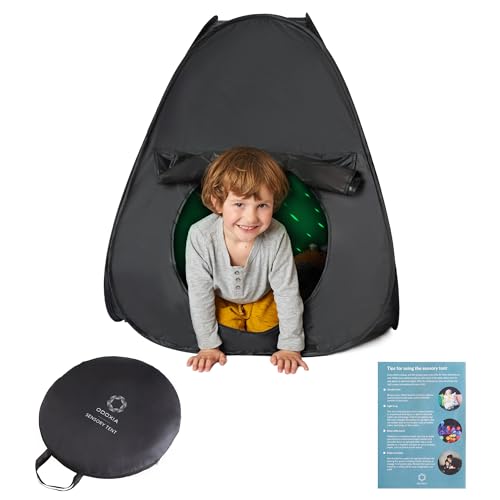
The Sensory Tent Mini creates a quiet, blackout space that supports calm, focus, and imaginative play. The deep, dark environment can help children with sensory sensitivities or anxiety settle down and engage in activities without external stimuli. It’s a practical retreat for reading, quiet time, or cozy sensory exploration, adaptable for home or school settings.
LESONG Textured Stretchy Fidget Toys

These stretchy noodles feature varied textures and tension for rich sensory input. The set includes eight colorfully varied strings, each offering a unique feel and stretch length. They’re suitable for squeezing, pulling, and bending, helping to reduce stress, improve focus, and provide a discreet, engaging activity for both children and adults dealing with anxiety or sensory overload.
SENSORY ACTIVITY BALL WITH DISPLAY STAND

The Sensory Activity Ball combines 24 colorful strings with a display stand, encouraging hands-on, creative exploration. This design supports fine motor development, spatial awareness, and cognitive sequencing. The included stand adds a sense of accomplishment, turning play into a small, tangible project that can boost self-esteem and sustained attention for users with autism, ADHD, or anxiety.
Buying Guide
Key considerations when selecting sensory items for autism include texture variety, portability, noise level, and activity type. Texture-rich options like rubbery noodles or squeeze balls can provide immediate calming input, while multi-piece sets offer broader engagement and progression. For environments requiring quiet use, compact stones or handheld fidgets are preferable to bulkier devices. Seating solutions, such as wiggle-friendly chairs, help channel movement into productive focus. Sensory tents create personal quiet spaces, useful for transitions or rest periods. Finally, consider age appropriateness, safety standards, and whether a product supports independent use or requires supervision.
Purchase decisions should balance immediate sensory relief with long-term goals such as improving concentration, reducing anxiety during tasks, and fostering self-regulation strategies. A mix of discreet, portable tools and more comprehensive sets can cover school, home, and therapy settings. For caregivers and educators, look for products that are durable, non-toxic, and easy to clean. Gift-ready packaging adds value for classrooms or support groups, while display-ready options can encourage pride and creative exploration in kids and teens.
In practice, choose a core set (a couple of handheld fidgets plus a larger multi-toy set) and expand as needs evolve. Regular check-ins with the user help determine which items are most effective and should be prioritized or rotated to maintain engagement and prevent overstimulation.