Best Sand for Sensory Bins: Top Options for Creative Play
Searching for the right sand to fuel sensory bin activities? This guide highlights five high-quality sands that offer engaging textures, safe ingredients, and versatile uses for kids and therapy settings. From moldable kinetic sand to fine colored grains, these picks support tactile exploration, fine motor skills, and imaginative play. Each option brings unique benefits, whether you’re focusing on shaping, pouring, or color-based art projects. Use the buying guide at the end to compare textures, safety, and suitability for different ages and settings.
| Product | Brand | Key Benefit |
|---|---|---|
| Kinetic Sand Beach Sand | Kinetic Sand | Moldable texture that sticks together for easy cleanup |
| Hygloss Colored Sand for Crafts (6 colors) | Hygloss | Vibrant, ultra-fine colors for layered art projects |
| Sun Joe Ultra Fine Silica Play Sand | Sun Joe | Ultra-clean white sand for molding, digging, and therapy |
| Classic Sand and Play Sand (20 lb) | CLASSIC SAND & PLAY | Premium-grade, safe play sand for wide use |
| Palmetto Soft Play Sand (50 lb) | Play Sand | Soft, low-dust sand ideal for large sensory setups |
Below are five product sections that showcase each sand option, followed by a practical buying guide to help you choose the best fit for your sensory bin needs.
Kinetic Sand Beach Sand: Moldable Sensory Fun
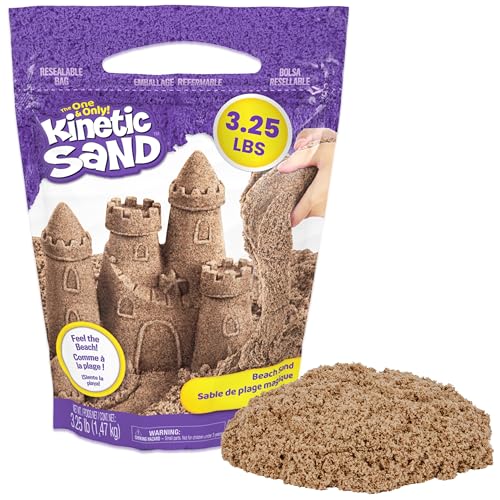
The Kinetic Sand Beach Sand is designed to build creativity and sensory skills with a unique moldable texture. It clumps together for easy cleanup and never dries out, so children can play again and again. The 3.25-pound package provides ample material for multiple bin setups, encouraging fine motor development as kids pinch, roll, and sculpt shapes. Made with natural sand, it’s a safe option for pretend play, crafts, and sand art activities. Its resealable packaging helps contain mess and supports quick storage between sessions.
Hygloss Colored Sand for Crafts (6 Colors)

Hygloss Colored Sand comes in six assorted colors, including red, green, white, blue, orange, and purple. This ultra-fine colored sand is ideal for layered sand art, holiday crafts, and creative jar projects. Its vibrant hues are well-suited for sensory bins that emphasize color exploration, fine motor tracing, and decorative wall displays. The collection supports a variety of seasonal and classroom activities, with easy cleanup and safe for children ages three and up. Colors can be mixed for custom palettes, expanding the scope of craft projects and sensory play.
Sun Joe Ultra Fine Silica Play Sand

Sun Joe Ultra Fine Silica Play Sand offers premium quality with a natural white appearance and a soft, smooth texture ideal for molding, digging, and sculpting. This versatile sand suits sandboxes, sensory tables, gardens, and even weighted toys. It supports tactile exploration and fine motor development across ages, providing a reliable option for therapeutic settings and home learning activities. Its clean profile makes it easy to maintain in busy classrooms or playrooms, while still delivering rich sensory feedback during play.
Classic Sand And Play Sand For Sandbox
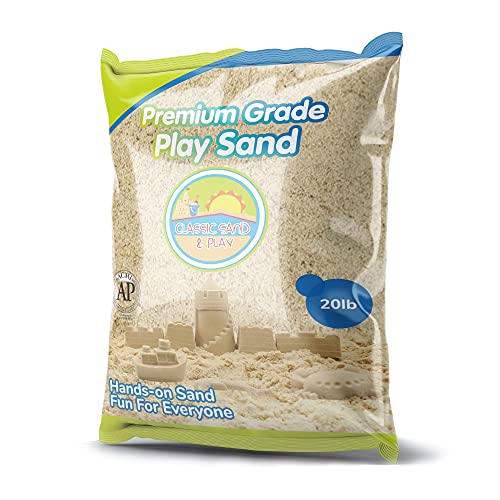
Classic Sand and Play Sand is a premium-grade option designed for safe indoor and outdoor use. The sand is washed, dried, and prepared to be non-toxic and suitable for sand trays, therapy rooms, and classroom centers. Its soft texture and consistent grain size support imaginative building, hand-eye coordination, and creative play. In sensory bins, this sand behaves predictably, which is beneficial for children who rely on familiarity to engage deeply with activities.
Palmetto Soft Play Sand (50 lb)

Palmetto Soft Play Sand provides a large quantity of sand with a focus on softness and low dust. Its bulk 50-pound bag makes it ideal for expansive sensory bins, classroom centers, or large-scale art installations. The sand is gentle to touch and safe for kids, supporting building tasks, pouring activities, and exploration of textures. Its soft composition reduces abrasive interaction while encouraging open-ended play and sensory processing through tactile feedback and manipulation.
Buying Guide: Key Purchase Considerations
Texture and feel: Sensory bins benefit from a range of textures. Moldable sands like Kinetic Sand offer cohesiveness that helps with shaping, while ultra-fine silica sands provide smooth, flowing particles for pouring and layering. Consider mixing textures to create varied sensory experiences.
Safety and composition: Look for sands that are non-toxic, food-grade where appropriate, and free from harsh additives. For younger children or sensitive users, ensure packaging and labeling indicate safety compliance and suitability for ages three and up.
Dust and mess control: If you’re concerned about mess, select low-dust options or sands that come in resealable packaging. Large bags are practical for classroom use, though they require storage space and clean-up planning.
Color and visual appeal: Colored sands can enhance sensory exploration and art projects. However, if you’re focusing on texture alone, choose natural or neutral colors to keep the focus on tactile experiences. Mixing colors allows customized palettes for seasonally themed activities.
Versatility and用途: Choose sands that support multiple activities—molding, digging, water play, and therapy tasks. Sands designed for crafts, art projects, and educational activities expand your bin’s usefulness beyond basic play.
Maintenance and cleaning: Consider how easy it is to clean up spills and how well the sand stays in bins or trays. Sands that tend to clump or stick less to surfaces generally require less cleaning time, which is important for busy environments.
Age appropriateness: Match the sand’s feel and properties to the developmental stage of the users. Younger children may benefit from softer, moldable textures, while older kids can explore more intricate sculpting and color-based art projects.
From moldable options to fine-grain colored sands, these picks offer reliable performance for sensory bins. When choosing, weigh texture variety, safety, and how the sand will integrate with existing activities like color mixing, tracing, or storytelling play. The right combination can support motor skills, tactile processing, and creative expression in equal measure.