Best Science Kit for 8 Year Old: Engaging STEM Projects That Make Learning Fun
Discover top science kits that captivate curious 8-year-olds with hands-on experiments and magic-like demonstrations. The following selections mix chemistry, physics, electronics, and gross-tun science for ages around eight, offering safe, educational activities that illustrate core concepts through play. Below, you’ll find a concise product table and five detailed sections to help parents compare options without pricing distractions.
| Product | Key Focus | Age Range | Includes |
|---|---|---|---|
| National Geographic Science Magic Kit | Science meets magic tricks | 8+ | 100+ experiments, magic wand, gloves |
| National Geographic Magic Chemistry Set | Chemistry with magic tricks | 8-12 | 10 experiments, illustrated guide, wand |
| National Geographic Gross Science Kit | Gross-out experiments | 8-12 | 45 gross experiments + 30 extra ideas |
| Snap Circuits Jr. SC-100 | Electronics and circuits | 8+ | 100+ projects, 29 parts |
| UNGLINGA 70 Lab Experiments | Broad STEM experiments | 6-12 | 70 experiments, manual, tools |
National Geographic Science Magic Kit

The National Geographic Science Magic Kit combines hands-on chemistry with entertaining tricks, providing more than 100 experiments designed to wow an audience. Young learners bend metal with water, vanish test tubes, float coins, and more, all through science principles that underpin the magic. The set is structured to be performed as magic tricks, helping kids communicate findings clearly to friends and family. Materials are curated to support 20 distinct magic-based demonstrations, fostering curiosity, observation, and foundational chemistry and physics ideas in a playful format.
National Geographic Magic Chemistry Set
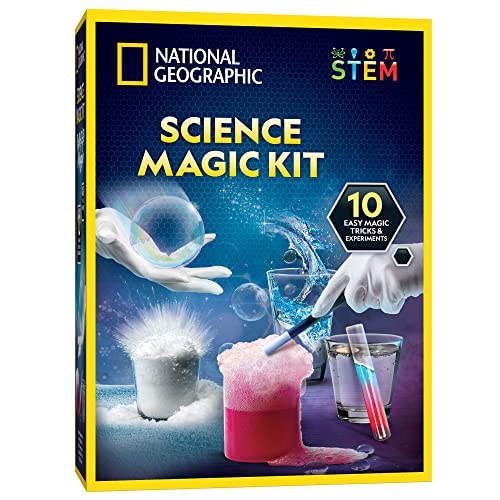
This kit centers on 10 science experiments that blend magic with chemistry, creating memorable demonstrations such as floating coins and color-changing liquids. An illustrated, kid-friendly experiment guide explains the science behind each trick, plus insights into the techniques used by scientists. The included wand and gloves invite kids to perform confidently, turning classroom science into a stage-worthy performance while reinforcing core concepts like matter, solutions, and indicators.
National Geographic Gross Science Kit

For budding scientists who enjoy a bit of shock-value with learning, this kit features 45 gross-out experiments, including topics like slime, boogers, and “test tube vomit.” It emphasizes safe, age-appropriate exploration and adds a bonus booklet with 30 additional experiments relying on common household items. The instruction guide is designed with kid-friendly visuals, encouraging curiosity while detailing the underlying biology, chemistry, and physical principles behind each gross yet educational activity.
Snap Circuits Jr. SC-100

Snap Circuits Jr. introduces basic electronics and circuitry through more than 100 projects in a colorful, modular system. For eight-year-olds, this set emphasizes safe, hands-on construction using snap-together components. The included project manual presents tasks in a color-coded, step-by-step format, helping young learners design functional devices and observe cause-and-effect relationships in electrical systems. The kit also scales with interest—parents can introduce more complex concepts as kids grow into more advanced projects.
UNGLINGA 70 Lab Experiments

This comprehensive set covers a broad spectrum of science topics, from earth science to chemistry and physics. The 70 experiments are designed to spark curiosity and critical thinking, with an easy-to-follow manual that includes illustrations and explanations of the science behind each activity. Tools and materials are aimed at safe home use, with goggles and common household items included or readily compatible. The breadth makes it suitable for ongoing exploration across multiple STEM areas, not just a single focus.
Buying Guide: Key Purchase Considerations
- Age appropriateness and safety: Ensure the kit is designed for children around eight years old, with age-appropriate experiments and clearly labeled safety guidelines. Check whether goggles, gloves, or other protective items are included or recommended.
- Learning goals: Decide whether you want a kit centered on chemistry, physics, electronics, or a mix of science topics. Some kits emphasize magic-like demonstrations to engage interest, while others focus on building practical skills like circuitry or measurement.
- Instruction clarity: Look for kid-friendly manuals with step-by-step visuals. Kits with illustrated guides or fact cards help reinforce scientific concepts beyond the activity.
- Materials and mess: Some kits use common household items and can be somewhat messy, while others supply most required components in a compact package. Consider your space and cleanup tolerance when selecting.
- Expandability: If a child enjoys the kit, you may want options that scale to more advanced projects later. Kits with modular components or additional experiment ideas can extend the learning experience.
- Engagement value: A blend of hands-on activities, demonstrations, and explanations tends to sustain interest. Kits that include a way to show results to family or friends can boost motivation and communication skills.
- Quality and durability: Check for sturdy components and well-made parts that can withstand repeated use. Read reviews about longevity and reliability to ensure the kit remains usable over time.
- Reusability of parts: Some sets offer reusable building blocks or electronic components, allowing continued experimentation beyond a single set of activities.
In summary, selecting a science kit for an eight-year-old should balance curiosity, safety, and educational value. Whether your child leans toward chemistry-inspired magic, gross science with entertaining themes, or hands-on electronics, these options provide structured exploration with clear learning outcomes. The right kit can establish a foundation for scientific thinking while delivering engaging, age-appropriate experiences.