Best Sand for Sand Tables: Top Safe Picks for Creative Play
Choosing the right sand for a sand table involves considering texture, cleanliness, safety, and how well the sand holds its shape for crafts, digging, and molding. The options below focus on low-dust, washed, and finely graded sands that are suitable for sensory play, classrooms, and home use. Each product is evaluated for ease of cleanup, safety for children, and versatility across sand tables, kits, and therapy activities. This guide helps you compare options and select the best fit for your space and kids.
| Product | Brand | Size | Key Benefit |
|---|---|---|---|
| Palmetto Soft Play Sand | Play Sand | 50 lbs | Soft, low-dust, versatile for sensory play |
| Sun Joe Ultra Fine Silica Play Sand | Sun Joe | 20 lbs | Ultra-clean, fine texture for molding and detail |
| Sandpiper Multiuse Play Sand | Sandpiper | 50 lbs | Washed, low-dust, adaptable for tables and decor |
| SandPiper Premium Natural White Sand | Sandpiper | 25 lbs | Safety tested, washed and screened for indoor use |
| Classic Sand And Play Sand | CLASSIC SAND & PLAY | 20 lbs | Premium-grade, non-toxic, stimulates creativity |
Palmetto Soft Play Sand – 50 Lbs

Palmetto Soft Play Sand is designed for safe, soft sensations suitable for sandboxes, sand tables, and classrooms. It’s free from large chunks and harsh additives, reducing the risk of injury during digging, pouring, and sifting activities. The sand supports large motor skill development and hand-eye coordination as children explore spills and floor-level play in a structured yet imaginative environment. Its low-dust composition helps keep play areas cleaner, making it a reliable choice for repeated sessions of sensory play and creative construction.
Sun Joe Ultra Fine Silica Play Sand – 20 Lbs

Sun Joe offers ultra-clean, natural white silica sand with a soft texture ideal for molding, sculpting, and precise carving in sand tables and sensory setups. It is versatile for use in therapy sessions, gardens, aquariums, and art projects, supporting tactile exploration and the development of fine motor skills. The fine granularity makes it suitable for detailed sandcastles and careful sculpture work, while maintaining a low-dust profile to minimize mess.
Sandpiper Multiuse Play Sand – 50 Lbs
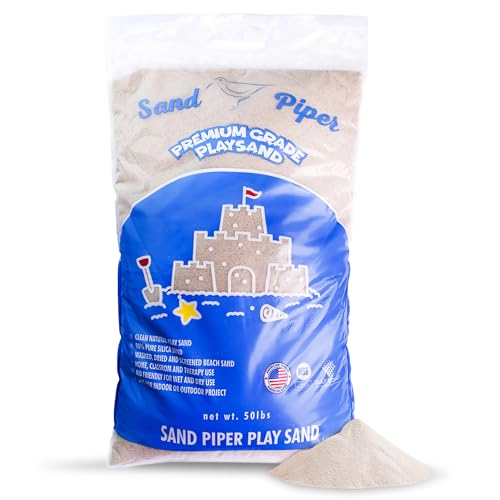
Sandpiper Multiuse Play Sand is 99% silica and washed to minimize debris, making it ideal for children’s sand tables and sensory digging areas. Its low-dust profile helps keep play spaces clean, while a smooth texture allows easy molding and shaping. The sand’s uniform grain size supports stable sand structures and durable sculptures, enabling a broad range of creative activities from castle-building to decorative setups.
SandPiper Premium Natural White Sand – 25 Lbs

This white play sand is natural and cleaned to support safe indoor or outdoor play across classrooms and homes. Thorough washing and triple screening remove impurities, resulting in a soft, fine texture ideal for building, digging, and a variety of hands-on sensory activities. The safe, non-toxic composition is suitable for repeated sessions and therapy-based activities that emphasize motor skill development and creativity.
Classic Sand And Play Sand – 20 Lbs
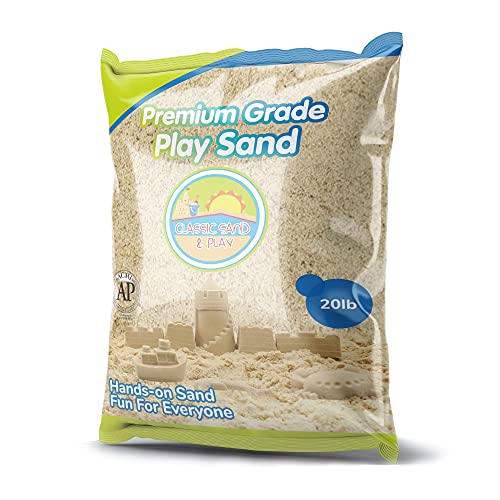
Classic Sand & Play offers premium-grade sand that is soft, moldable when wet, and safe for indoor and outdoor use. This sand supports imaginative play in sandboxes and tables, with applications in therapy and arts projects. Its non-toxic formulation makes it suitable for young children, encouraging hands-on learning, coordination, and creative expression through sculpture and construction.
Buying Guide: Key Considerations For Sand Table Purchases
- Texture and grain size: Fine textures are better for detailed sculpture and hands-on manipulation, while slightly coarser sands may offer more support for larger builds.
- Dust levels: Low-dust or washed sands reduce airborne particles, creating a cleaner play environment and easier cleanup.
- Safety and purity: Look for food-grade or child-safe certifications, and ensure the product is non-toxic and free from sharp fragments.
- Maintenance needs: Some sands resurface with moisture; others stay loose and easy to pour. Consider how you’ll store and refresh the play area.
- Versatility: Sands that work well in sand tables, classrooms, therapy sessions, and décor offer more long-term value.
- Ease of cleanup: Sands with minimal dust and predictable behavior (e.g., clumping or molding) simplify post-play cleanup and reduce mess.
- Size and weight: For larger play areas, consider bagged options that are easy to transport and store.
- Safety for sensitive environments: If the space includes young children or kids with sensory needs, prioritize sands with gentle textures and low irritants.
- Allergen considerations: Choose sands free from pebbles, sharp grains, or foreign particles that could irritate skin or eyes.
- Compatibility with accessories: If you plan to pair sand with molds, shells, or tools, ensure the texture supports sculpting and detail work.
When selecting sand for a sand table, one should balance texture, cleanliness, and safety with intended uses. For sensory and developmental play, options with low dust and uniform grain sizes tend to yield more consistent results and cleaner environments. The products listed above offer a range of textures and capacities to suit homes, classrooms, and therapy settings, enabling children to explore, create, and learn through tactile play.